2026 Best Outdoor Instant Water Heater Options for Your Home?
In 2026, the demand for outdoor instant water heaters is expected to rise significantly. Reports suggest that the global market for water heating solutions is projected to grow by over 8% annually. This growth reflects a growing interest in efficient and convenient outdoor appliances.
Outdoor instant water heaters provide on-demand hot water, making them ideal for patios, gardens, and other outdoor spaces. Efficient models can heat water in seconds, minimizing waste and saving energy. However, selecting the best option can be challenging due to varying features and specifications.
Some options may not meet quality standards. Buyers should prioritize units that have relevant certifications. Ensuring compliance with industry standards enhances safety and performance. As the market evolves, outdoor instant water heater technology continues to improve, yet consumers must remain vigilant in their choices.
Top Features to Consider When Choosing an Outdoor Instant Water Heater
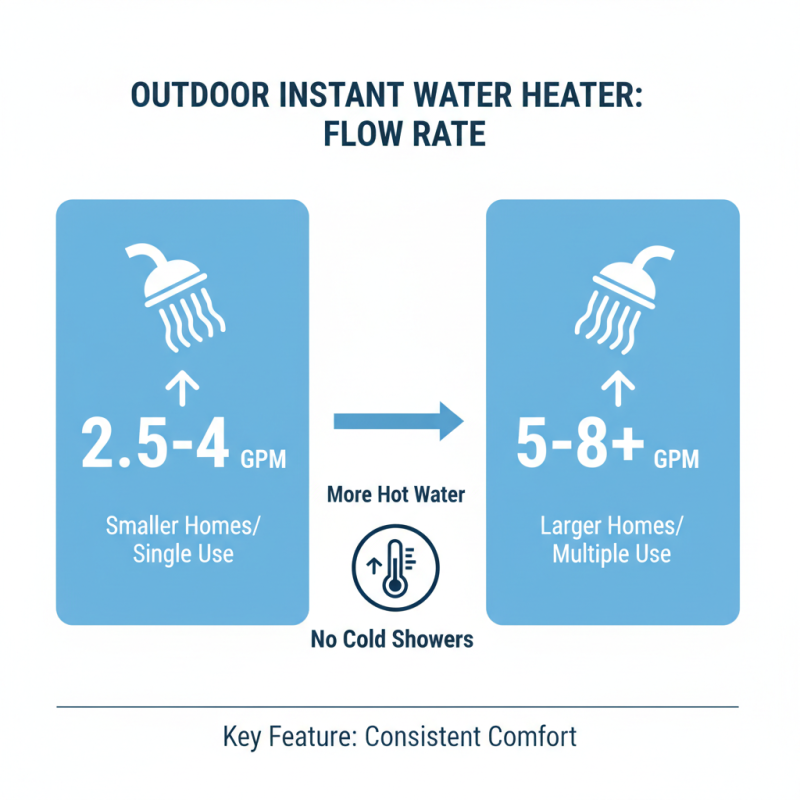
When selecting an outdoor instant water heater, several features demand your attention. Start with the flow rate. This determines how much hot water you get at once. For larger homes, a higher flow rate is essential. A unit that delivers enough water can prevent those frustrating cold showers during peak usage times.
Energy efficiency is another key factor. Look for models that offer eco-friendly operation. Efficient heaters save energy, which translates to lower utility bills. However, some units may require a higher initial investment. Consider if long-term savings balance the upfront costs.
Safety features also matter. Look for automatic shut-off functionality and over-temperature protection. These features enhance user safety, especially when kids are around. But remember, complex controls may be hard to understand. It’s essential to weigh reliability against ease of use. An overly complicated system might not be worth the hassle on busy mornings or during outdoor gatherings.
Comparative Analysis of the Best Outdoor Instant Water Heaters in 2026
When analyzing the best outdoor instant water heaters for 2026, efficiency is a key factor. Recent industry reports indicate that modern units can offer up to 90% thermal efficiency. This means you get more hot water while using less energy. However, some models may not meet this standard, leading to energy waste. Consumers should be vigilant in choosing units based on these metrics.
Installation is another critical aspect. Many outdoor water heaters require proper venting and plumbing. Each setup is unique, and not all systems fit every home. A report from the Energy Efficiency Council suggests that improper installation can reduce efficiency by 20% or more. This reflects the need for professional assistance, even if initial costs may rise.
Lastly, durability matters. Most outdoor heaters face harsh weather. Data shows that units installed in extreme climates often have shorter lifespans. Reviews frequently highlight the importance of build quality. Some cheaper models may struggle under such conditions. Therefore, careful selection and consideration of environmental factors are essential.
Comparative Analysis of the Best Outdoor Instant Water Heaters in 2026
Energy Efficiency Ratings of Popular Outdoor Instant Water Heaters
When considering an outdoor, instant water heater, energy efficiency is crucial. The U.S. Department of Energy states that water heating accounts for nearly 20% of energy use in homes. An efficient model can save energy and cut utility bills significantly.
Most outdoor instant water heaters feature energy ratings, typically ranging from 0.82 to 0.96 in terms of Energy Factor (EF). This metric measures the efficiency of heating water compared to energy consumed. Models with an EF closer to 1.0 are generally considered high efficiency. However, real-world performance can vary, depending on water temperature, usage patterns, and regional climate.
Choosing a unit with a high EF is wise, but not all units live up to expectations. Installation costs and maintenance needs can also affect overall savings. Some units might perform excellently at optimal temperatures but far less efficiently under variable conditions. This poses the risk of overestimating potential energy savings, so researching professional reviews and reports is essential.
2026 Best Outdoor Instant Water Heater Options for Your Home
| Model |
Max Output (Gallons per Minute) |
Energy Efficiency Rating (%) |
Heating Time (Seconds) |
Price (USD) |
| Model A |
5.0 |
98 |
30 |
450 |
| Model B |
4.5 |
95 |
35 |
400 |
| Model C |
6.0 |
97 |
28 |
500 |
| Model D |
3.5 |
93 |
40 |
350 |
Installation Requirements for Outdoor Instant Water Heaters: A Step-by-Step Guide
Outdoor instant water heaters are becoming more popular. They offer convenience and efficiency. To install one, follow clear steps. First, check local building codes. These codes dictate how and where to install units. Many places require permits for such installations.
You need a suitable location. Ideally, place the heater close to the outdoor outlet and plumbing. Some homes may lack the right setup. This could lead to increased costs for additional plumbing work. Ensure an accessible power source is nearby. Power requirements vary based on the model. According to a recent report, about 45% of homes need electrical upgrades.
Ventilation is also crucial. Outdoor heaters generate exhaust fumes. Proper ventilation reduces health risks. Many users overlook this aspect. A lack of adequate airflow can lead to issues. Always consult local regulations and guidelines before starting the installation. Keeping safety in mind is key for a successful installation.
Customer Reviews and Feedback on 2026's Best Outdoor Instant Water Heaters
When choosing an outdoor instant water heater, customer feedback is invaluable. Many users highlight the efficiency of these units. They appreciate how quickly water heats up, especially when hosting outdoor gatherings. However, some customers report issues with installation. Complicated setups can become frustrating. This is an aspect that potential buyers should consider seriously.
Another recurring theme in reviews is durability. Several customers mention that high-quality materials make a difference. They express satisfaction when heaters withstand harsh weather conditions. Yet, there are mixed experiences about performance in extreme temperatures. Some heaters perform superbly, while others struggle. Reading through varied customer experiences helps in making informed decisions.
Noise levels are another point of contention. Some users enjoy a quiet operation, while others find certain models disruptive. This can significantly impact the outdoor atmosphere, especially during parties or peaceful evenings. Therefore, checking ratings and testimonials can provide insights. Balancing features, pricing, and performance is essential. Each review often contains helpful hints, but some may overlook real-life testing. Understanding both praise and criticism is part of the journey to the ideal outdoor heater.