Hot Cold Water Heater Which is the Best Choice for You?
Choosing the right Hot Cold Water Heater can feel overwhelming. With numerous options available, how do you decide? Industry expert Dr. Emily Clarke says, "Selecting a water heater is as much about your lifestyle as it is about efficiency."
Hot Cold Water Heaters offer both convenience and comfort. Many homeowners often think only of costs. They might overlook efficiency and energy consumption. This can lead to higher bills and environmental concerns. Choosing the right model could make a significant difference in your daily routine.
Consider your family’s needs. Do you require instant hot water for cooking or frequent use of cold for washing? Each situation is unique. Evaluating your preferences not only defines your choice but also influences your energy usage over time. Remember, a poor choice today can lead to regrets tomorrow.
Factors to Consider When Choosing a Hot Water Heater
Choosing the right hot water heater is crucial for any household. Several factors can influence your decision. The first aspect to consider is energy efficiency. This will impact your monthly utility bills. Look for options that offer better insulation and lower energy consumption. It's important to balance upfront costs with long-term savings.
Capacity is another significant factor. Think about how much hot water your family consumes daily. If you have a large family, a unit with a higher capacity may be necessary. Conversely, smaller households might benefit from compact models. Pay attention to recovery rates too. This indicates how quickly water is reheated, which can be vital during peak usage times.
Don’t overlook installation requirements. Some heaters need more space or specific venting systems. Check your home’s layout and existing plumbing. Conceivably, you might need additional adjustments, which could add to the overall cost. Lastly, consider maintenance requirements. Some models demand regular upkeep, while others are more user-friendly. Reflecting on these details can help you make an informed decision.
Types of Hot and Cold Water Heaters Available
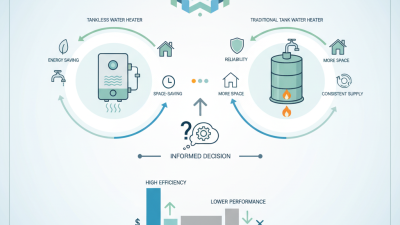
When choosing a water heater, understanding the different types available is crucial. Traditional tank water heaters are common. They store hot water in a large tank, maintaining a steady supply. However, they take up space and can be inefficient. On the other hand, tankless water heaters heat water on demand. They are compact and energy-efficient, but the initial cost can be high.
Another option is heat pump water heaters. These units use electricity to move heat rather than generating it directly. They can save on energy bills, but installation might be more complex. Solar water heaters are also worth mentioning. They harness sunlight for energy, leading to lower energy costs. But they heavily depend on climate, which means they aren't feasible for everyone.
Each type of heater comes with pros and cons. Tankless models might save space but require a significant upfront investment. Sometimes, homeowners realize heating needs change over time. A unit that's perfect today might not suit tomorrow's needs. It's important to reflect on your household's habits and long-term requirements. Making the right choice can impact comfort and efficiency significantly.
Comparative Advantages of Tankless vs. Traditional Heaters
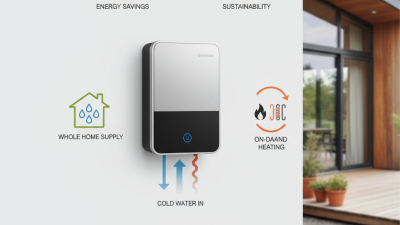
When it comes to water heaters, the choice between tankless and traditional models is crucial. Tankless heaters provide hot water on demand, allowing for continuous supply without the wait. They occupy less space and can be more energy-efficient. Imagine a home where you never run out of hot water during a shower. This is the promise of tankless systems.
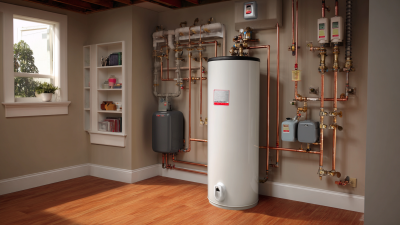
On the other hand, traditional water heaters store hot water in a tank, providing a reliable source for multiple fixtures at once. However, this efficiency comes at a cost. They need to heat and maintain a large volume of water, leading to higher energy bills. Picture a large tank in your basement, making gurgling noises as it fills. It's effective but not always the most convenient option.
Reflecting on both options reveals some imperfections. Tankless systems may struggle in homes with high simultaneous demand, potentially leaving someone in cold water mid-shower. Conversely, traditional systems can run out of hot water during peak usage times. Each type has unique advantages and limitations, inviting careful consideration based on your specific needs and lifestyle.
Energy Efficiency Ratings and Their Importance
When choosing a hot cold water heater, energy efficiency ratings are crucial. These ratings can help you save money and reduce your environmental impact. Look for models with high efficiency ratings, as they often consume less energy and lead to lower utility bills. Many people overlook this detail, only to realize later how costly an inefficient unit can be.
Tips: Check for the Energy Star label. This label indicates top-performing models. Also, consider the size and capacity you need. Overestimating your requirements might lead to higher energy costs.
Understanding energy efficiency can be overwhelming. Some think that all heaters are the same, but that's not true. A poorly rated heater uses excessive energy, causing frustration. Regularly reviewing your unit's efficiency rating can make a big difference over time. Small changes might lead to significant savings.
Hot Cold Water Heater Comparison
| Type |
Energy Efficiency Rating |
Cost (USD) |
Expected Lifespan (Years) |
Maintenance Level |
| Conventional |
EF: 0.90 |
$500 |
10-15 |
Medium |
| Tankless |
EF: 0.95 |
$800 |
20 |
Low |
| Heat Pump |
EF: 2.00 |
$1,200 |
15-20 |
Medium |
| Solar |
EF: 3.00 |
$3,000 |
30 |
Low |
Cost Analysis: Upfront and Long-term Expenses
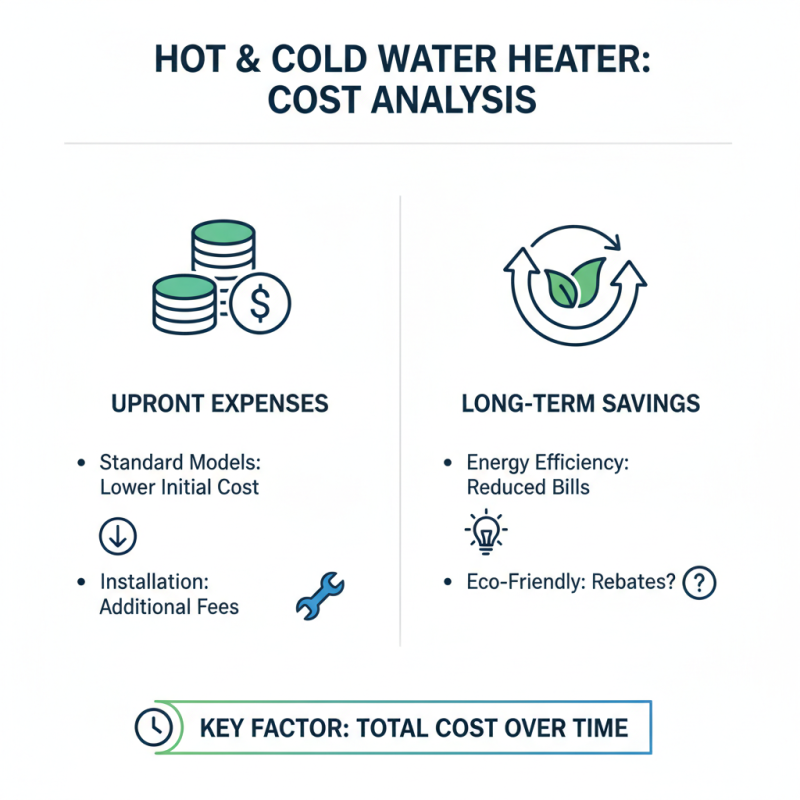
Choosing a hot and cold water heater involves a careful cost analysis. Upfront expenses can vary widely. Standard models may be cheaper, but energy efficiency is crucial for long-term savings. Consider installation costs, which can add to your total expenditure.
Long-term expenses include maintenance and energy bills. Some heaters are energy guzzlers, resulting in higher monthly costs. Others might require more frequent repairs. This could become a financial burden over time. Seek options with good warranties to reduce unforeseen expenses.
Evaluate your household needs. A small family might need less capacity, lowering costs. Larger households may require more efficient systems, but this comes with a higher initial price. Reflecting on your consumption patterns can help you choose the right unit. Each decision impacts your wallet significantly.