Best Gas Multipoint Water Heater Options for Your Home?
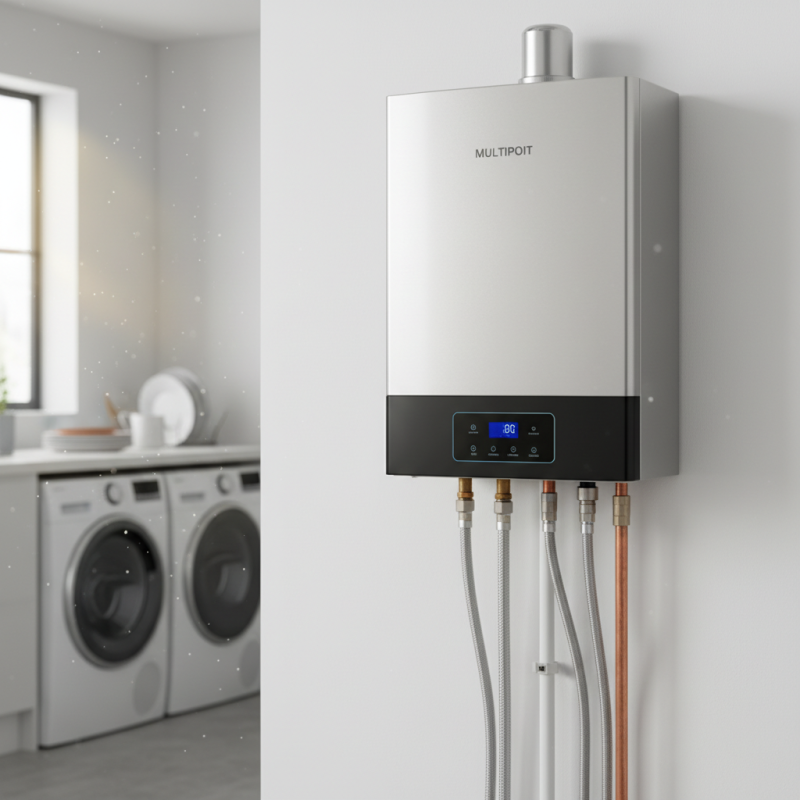
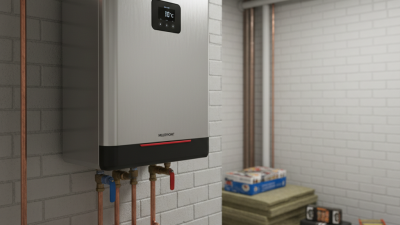
When it comes to hot water needs, a Gas Multipoint Water Heater is a reliable choice. These systems heat water quickly and efficiently. Imagine never running out of hot water during a shower or for your dishes. That convenience can transform daily routines.
However, choosing the right model requires careful consideration. Not all Gas Multipoint Water Heaters are the same. Some may struggle with larger households, while others may be overkill for smaller spaces. Researching the best options can feel overwhelming. It is crucial to match the right unit to your specific needs.
Reflect on your daily water consumption. Are you using hot water in multiple places at once? If so, a powerful model may be necessary. Evaluate efficiency ratings and installation requirements. A well-informed purchase can lead to long-term satisfaction. Investing time now can save money and frustration later.
Understanding Gas Multipoint Water Heaters and Their Benefits
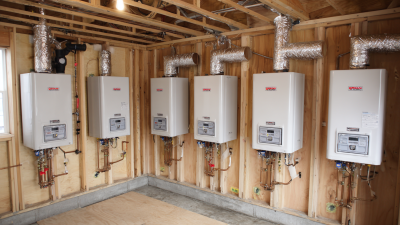
Gas multipoint water heaters are gaining popularity in many households. They efficiently provide hot water for several outlets simultaneously. This convenience is ideal for homes with multiple bathrooms, kitchens, and laundry areas. According to a recent industry report, about 65% of new home constructions are incorporating multipoint systems, reflecting a growing trend.
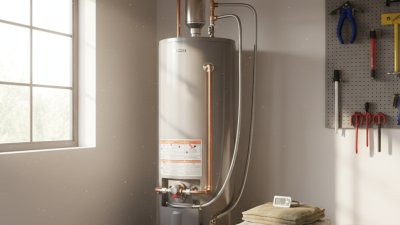
One significant advantage is energy efficiency. These systems can reduce energy usage by up to 30% compared to traditional heaters. The real-time heating mechanism ensures hot water is available on demand. However, installations can be complex, often requiring professional assistance. Some users report challenges with finding the right balance of temperature. It's vital to set up thermostats correctly.
Moreover, the upfront cost can be daunting. Many homeowners question whether the savings justify the initial investment. While they may offer lower bills in the long term, calculations can vary widely between models. Features such as digital monitoring can help track energy consumption, but not all units include these. The choice of a gas multipoint heater should consider both immediate needs and future expectations.
Key Features to Consider When Choosing a Gas Multipoint Water Heater
When choosing a gas multipoint water heater, consider the capacity. Think about how much hot water your household needs. Different units offer various capacities. A unit that's too small won't meet your demands. On the other hand, an oversized unit wastes energy. Finding the perfect balance is key.
Efficiency is another crucial factor. Look for models with high energy ratings. High efficiency can significantly lower your gas bills. It's also better for the environment. Remember, some heaters are optimized for larger households only. This may not be suitable for smaller homes.
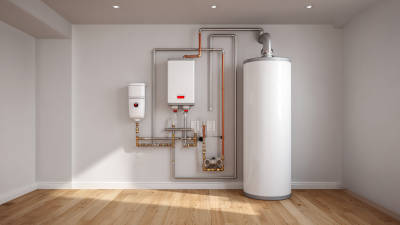
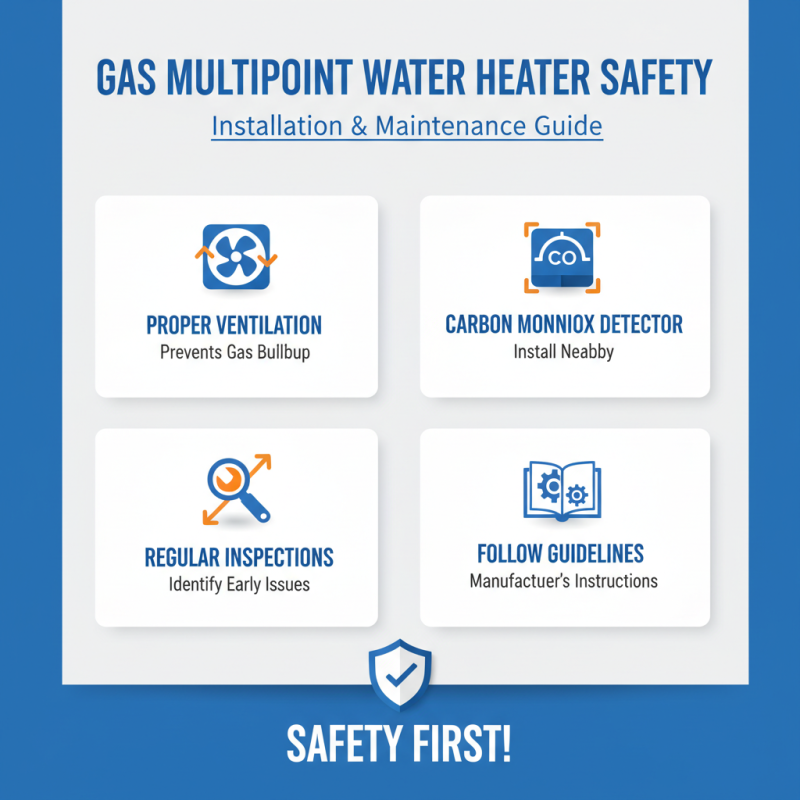
Installation options matter as well. Look for heaters that fit your space requirements. Some may need certain venting configurations. This could complicate the installation process. If the setup is complex, it might lead to more costs. Take time to plan the installation before purchasing.
Top Brands and Models of Gas Multipoint Water Heaters for Home Use
When considering gas multipoint water heaters, choosing the right model for your home is essential. Several top brands offer reliable options. Look for features like energy efficiency and hot water output. A good unit should provide plenty of hot water for multiple fixtures simultaneously. This will save you time and enhance daily comfort.
Some models have a compact design, perfect for smaller homes. Others might need more space but offer higher capacity. Think about your specific needs and available space. The installation process can vary as well; some units require professional help, while others are more user-friendly. Assess your plumbing setup before making a decision.
Customer reviews often highlight issues that are worth pondering. Some users report noise during operation. Others mention that the user manual is not clear. Consider these points before purchasing. It’s crucial to weigh both the pros and cons of each model. Making an informed decision will lead to a better experience in the long run.
Cost Analysis: Budgeting for a Gas Multipoint Water Heater Purchase
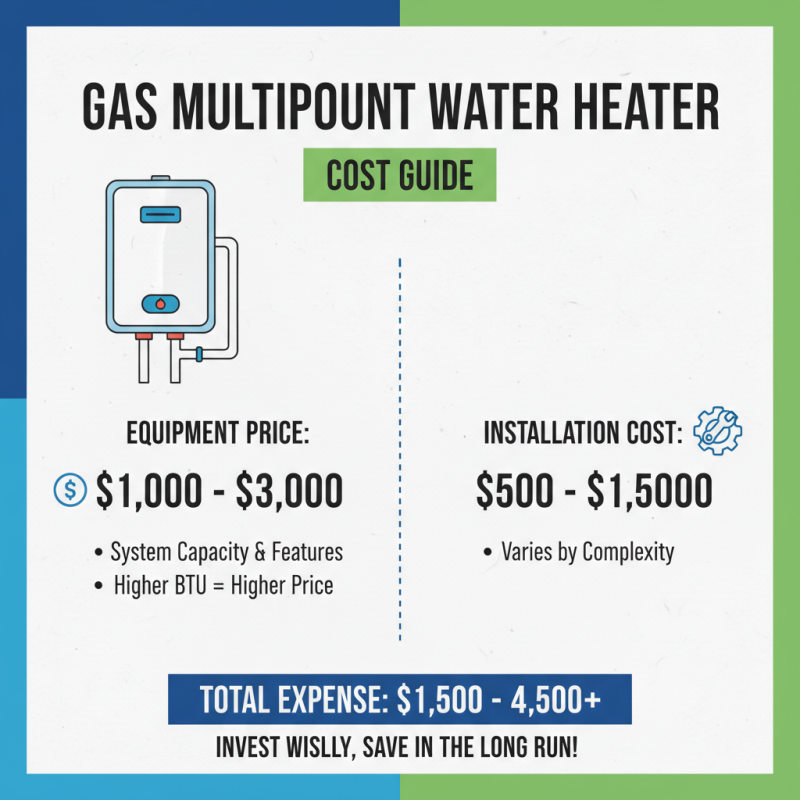
When considering a gas multipoint water heater, cost is a critical factor. The average price range for these systems is typically between $1,000 and $3,000. Installation costs can add another $500 to $1,500. The total expense can vary based on system capacity and features. For instance, a higher BTU rating often means better performance but a steeper price.
Operational costs also need attention. According to the U.S. Department of Energy, gas heaters can be more economical over time. They can save up to 30% compared to electric units. However, gas prices fluctuate, creating budget unpredictability. Homeowners should account for this in their financial planning. Regular maintenance, like cleaning the burners, can prevent costly repairs later.
Many users face challenges in the long run. Over time, needs might change. A unit that seemed adequate at first may become insufficient. Scaling can affect efficiency, leading to rising utility bills. It’s essential to reevaluate your system's performance periodically. Being proactive will ensure dependable hot water when needed.