10 Best Gas Water Heaters for Efficient Home Heating?
When it comes to heating water in your home, a gas water heater is a popular choice. These systems provide fast and efficient heating. With various models available, selecting one can be overwhelming.
Gas water heaters offer significant benefits. They can heat water quickly, making them ideal for busy households. However, not all models are created equal. Durability and energy efficiency vary from one heater to another. What works for one home may not suit another.
Many consumers overlook crucial factors. It's essential to consider size, energy source, and installation requirements. Efficiency ratings can be confusing. This guide will explore the ten best gas water heaters. By understanding your options, you can make a more informed decision.
Overview of Gas Water Heaters and Their Benefits
Gas water heaters offer several benefits for home heating. They are generally more efficient than electric models. This efficiency can lead to cost savings on energy bills. Many models heat water quickly, providing hot water on demand. A gas heater can recover heat faster, ensuring you have sufficient hot water for your needs.
When choosing a gas water heater, consider the size of your household. An undersized unit may lead to cold showers. Ensure proper ventilation for safety and efficiency. Regular maintenance is critical. Ignored heaters can lead to efficiency loss. Flushing the tank annually helps prevent sediment buildup.
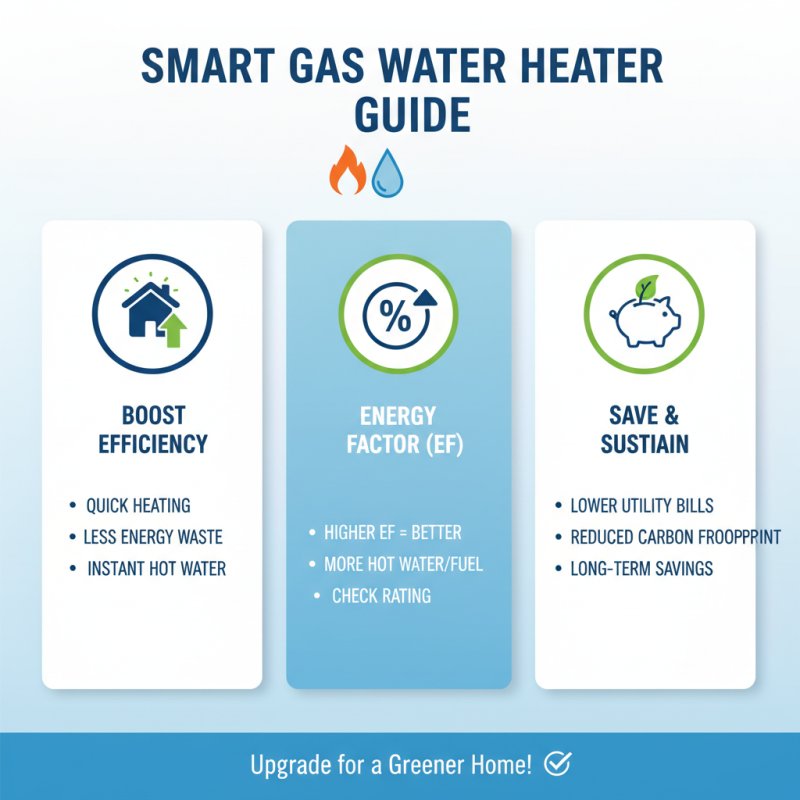
Tips: Always check the Energy Factor (EF) rating. This indicates the heater’s efficiency. A higher EF means more savings. Consider your local natural gas prices. Fluctuating rates can affect your overall costs. Be mindful of installation requirements. Improper setup can pose safety hazards.
10 Best Gas Water Heaters for Efficient Home Heating
Key Features to Consider When Choosing a Gas Water Heater
When choosing a gas water heater, efficiency is key. Look for units with
high Energy Factor (EF) ratings. A higher EF means better energy efficiency. This can greatly impact your utility bills.
You may want to consider the tank size. A larger tank can supply more hot water but will consume more energy.
Conversely, smaller tanks can be more efficient in homes with lower hot water demands.
Another important consideration is the heater's recovery rate. This rate indicates how quickly the heater can refill and heat water.
If your family uses a lot of hot water, a higher recovery rate is essential. Additionally, pay attention to safety features.
Temperature control and built-in alarms can prevent accidents. It’s also wise to check warranties.
A longer warranty often signifies better quality.
Installation options matter too. Some heaters are designed for easier installation.
This can save you time and money. Check the required venting type.
Improper venting can lead to efficiency losses and safety hazards. Reflect on your priorities and needs.
Balancing these factors will guide you in selecting the right gas water heater for your home.
Top 10 Gas Water Heaters for Optimal Efficiency
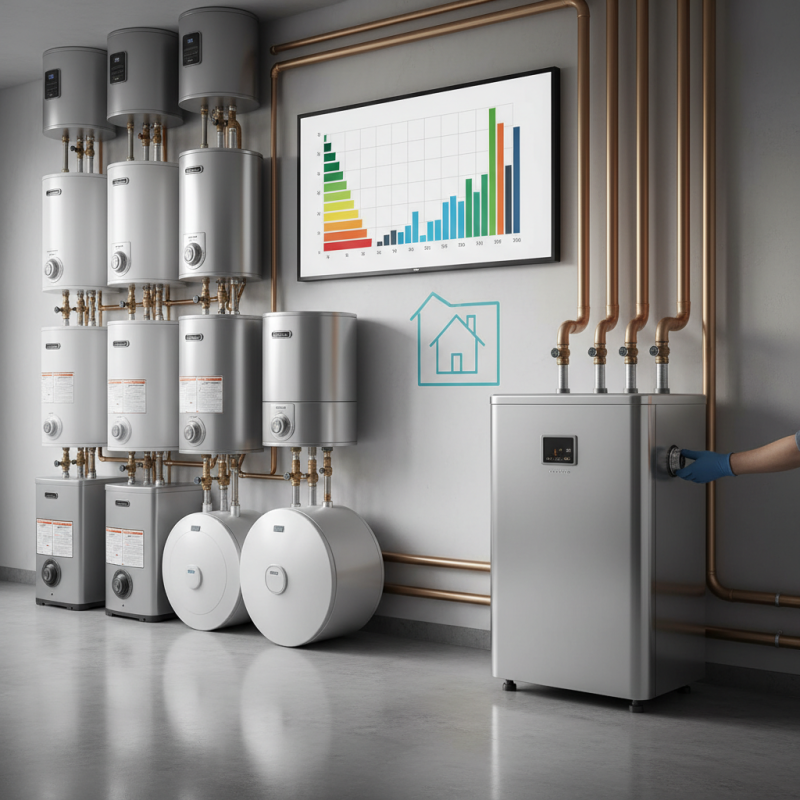
Choosing the right gas water heater can significantly enhance your home's efficiency. These units are designed to heat water quickly while minimizing energy consumption. Look for models with a high energy factor (EF) rating, which indicates better performance. High-efficiency units not only reduce utility bills but also lessen your carbon footprint.
Consider the first-hour delivery rate. This figure shows how much hot water the heater can supply in an hour. A higher rate means you won't run out of hot water during peak usage times. Many gas water heaters offer insulation features that retain heat better, preventing energy loss. However, not every model is perfect.
Regular maintenance is key to optimal performance. Over time, sediment can build up, reducing efficiency. It's easy to overlook this task. Awareness about your unit's condition can prompt timely checks. Be proactive rather than reactive. A well-maintained heater saves money. Sometimes, it’s the small details that make a big difference in efficiency.
Comparative Analysis of Leading Gas Water Heater Brands
When choosing a gas water heater, it is essential to compare different brands. Each brand offers unique features that can impact efficiency and performance. Some focus on energy-saving technologies, while others emphasize durability and ease of installation. Different models can affect both your initial investment and long-term utility costs.
Tip: Look for units with energy-efficient ratings. Higher efficiency may mean a higher upfront cost. However, this can lead to savings on your energy bills over time.
A key aspect to evaluate is the capacity of the water heater. Do you have a large family, or live solo? A smaller unit might suffice, but a larger one can prevent shortages during peak usage.
Tip: Consider your hot water needs. Think about daily routines and peak-demand times. This could help in making a thoughtful choice.
Some models may require more maintenance than others. Be prepared for regular checks. Issues often arise unexpectedly. Think about how much time you can devote to upkeep.
Tip: Schedule regular maintenance checks. This could improve the lifespan of the heater. It may seem trivial, but it plays a significant role in performance.
Maintenance Tips for Enhancing Gas Water Heater Performance
Maintaining a gas water heater is essential for optimal performance. Regular checks can prevent issues and improve efficiency. One key area to focus on is sediment buildup. Over time, minerals accumulate at the bottom of the tank. Flushing the tank yearly helps manage these deposits. It’s a straightforward task, but often neglected.
Another important tip is to inspect the anode rod. This component helps prevent corrosion. If it’s severely corroded, replace it. This simple step can significantly extend the life of your heater. Check it every couple of years to ensure it's in good condition. Small actions today can save larger expenses later.
Don’t forget about the thermostat. Setting it properly can enhance comfort and reduce energy bills. Aim for a temperature around 120°F. This balance keeps water hot but avoids scalding risks. Finally, examine the venting regularly. Blockages can lead to dangerous situations. Ensuring clean airflow is crucial for safety and efficiency.