Best Hot Cold Water Heater Solutions for Your Home?
Choosing the right hot cold water heater is crucial for any home's comfort. This decision impacts utility bills, energy efficiency, and overall convenience. Many options are available today, from traditional tank heaters to advanced tankless models. Each type comes with its unique features and benefits. Understanding these can be overwhelming, yet essential.
Hot cold water heaters must cater to your family's needs. An efficient model saves money and reduces environmental impact. Often, people overlook how poorly chosen heaters can waste energy and resources. It's easy to rush this choice, but careful consideration will pay off.
Expert insights suggest that optimal water heaters blend functionality and reliability. However, many homeowners still grapple with what system fits their needs. Each situation requires a tailored approach. By exploring various solutions, you can make an informed decision that enhances your home’s comfort and efficiency.
Understanding Hot and Cold Water Heaters: A Comprehensive Overview
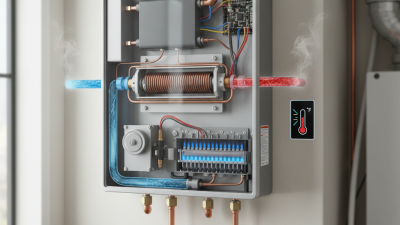
When considering hot and cold water heaters, it's crucial to understand how they work. Hot water heaters, commonly tank-style or tankless, heat water for various applications. They produce hot water for showers, dishwashing, and laundry. Conversely, cold water systems typically maintain the water temperature of the incoming supply, allowing for cool water needs.
Selecting the right kind of heater depends on your household needs and energy sources. For instance, tankless models are popular for their energy efficiency. They heat water on demand, reducing energy waste. However, they may struggle to meet the demands of large families simultaneously using multiple outlets. Try envisioning your usage patterns before making a decision.
Maintenance is another aspect that cannot be overlooked. Regular flushing can prevent sediment buildup and enhance efficiency. Many homeowners neglect this, leading to costly repairs or replacements. Always consult professionals for thorough guidance. Understanding these systems enhances your choice and can lead to better energy use and savings.
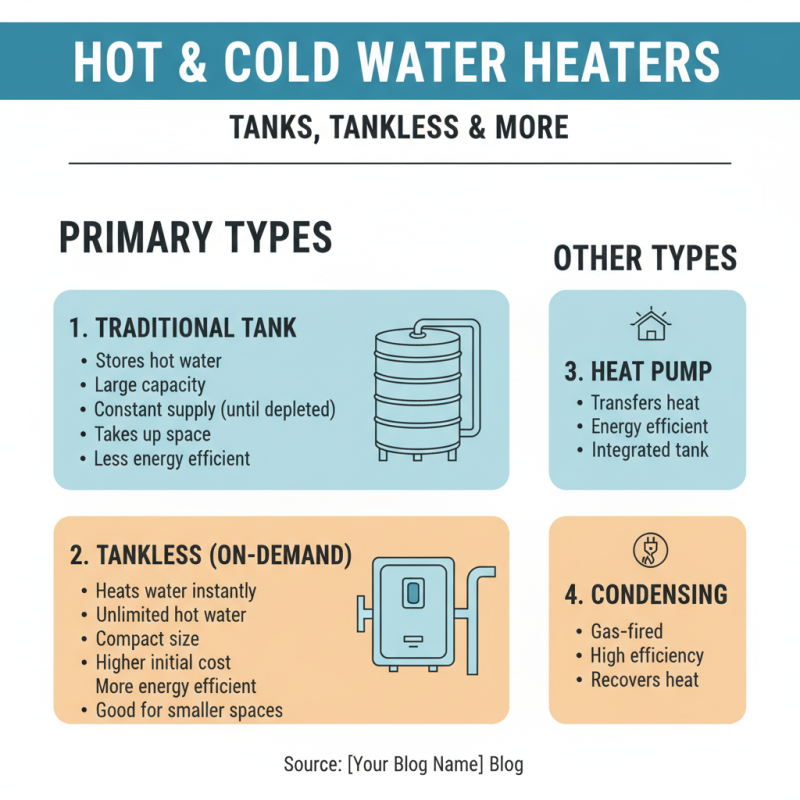
Types of Hot and Cold Water Heaters: Tanks, Tankless, and More
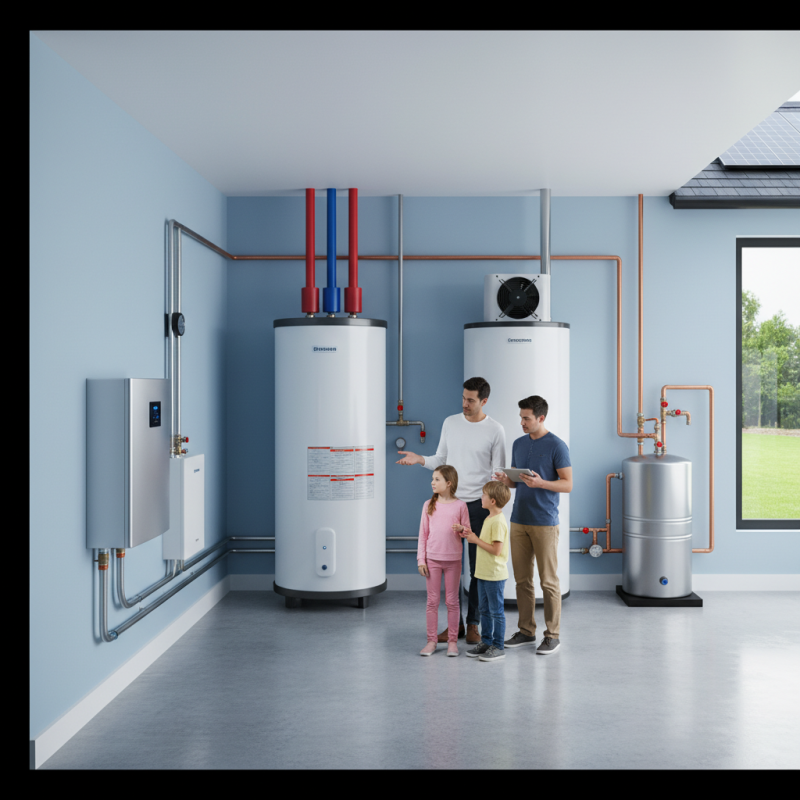
When considering hot and cold water heaters, understanding the types is essential. Two primary options are traditional tanks and tankless heaters.
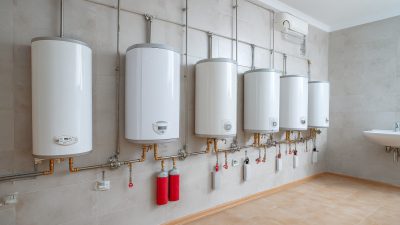
Tank water heaters can store a large volume of hot water. This makes them reliable for families with high demand. However, they occupy considerable space and can be less energy efficient. They might leak over time, a risk that homeowners should not overlook. Regular maintenance is often required to ensure efficiency.
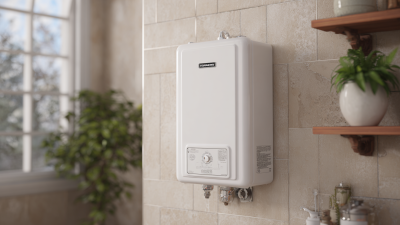
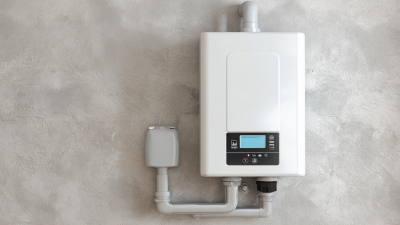
Tankless water heaters heat water on demand. This offers unlimited hot water and saves space. However, they may struggle to supply multiple outlets simultaneously. Installation can also be more complex. Homeowners should account for these factors. Choosing the right system requires analyzing your specific needs and household usage. Each option has its pros and cons, so thorough research is necessary.
Key Features to Consider When Choosing a Water Heater for Your Home
When selecting a water heater for your home, several key features should be carefully considered. First, the capacity is crucial. A household of four typically needs a tank that holds at least 40 gallons of water. Larger families may need even more. According to the U.S. Department of Energy, water heaters account for 14-18% of a home’s energy consumption. Energy efficiency ratings are vital. Look for heaters with an Energy Factor (EF) rating of 0.67 or higher for optimal efficiency.
It's essential to consider the type of heater. Tankless models are popular for their on-demand heating capabilities. They can save space and reduce energy costs. Traditional tank heaters, however, provide a more consistent supply of hot water for larger households. Installation costs can vary widely, often ranging from $800 to $3,500 depending on the type.
Tips: Assess your household's hot water needs before purchasing. Overestimating can lead to wasted energy costs. Proper insulation of the unit can improve efficiency. Always check for local incentives on energy-efficient models, as they can significantly offset costs. Take your time to choose wisely, as the right heater can last over a decade.
Energy Efficiency and Cost Considerations for Water Heater Solutions
When considering water heater solutions for your home, energy efficiency plays a crucial role. According to the U.S. Department of Energy, water heating accounts for about 14% to 18% of your household energy use. Opting for high-efficiency models can significantly reduce utility bills. Tankless water heaters typically offer an efficiency rating of 85% to 98%, compared to traditional units, which average around 60% efficiency. This means that every dollar spent on hot water can yield a better return with the right choice.
Tip: Consider the size of your household and hot water demand. A tankless heater might save more energy if you often use hot water simultaneously. During peak usage times, traditional units may struggle, leading to waste.
While new technologies improve energy usage, costs associated with installation vary. A study by the American Council for an Energy-Efficient Economy found that homeowners could save nearly $3,000 over a 10-year period with a high-efficiency model. However, upfront costs can be substantial. Evaluating product life expectancy and warranty details is essential before deciding.
Tip: Look for local rebates or tax credits. Many energy providers encourage energy-efficient upgrades. Always verify these offers with your utility company to ensure you can maximize savings while investing in reliable equipment.
Maintenance Tips for Longevity and Performance of Water Heaters
Maintaining your hot and cold water heater is crucial for optimal performance. A report from the U.S. Department of Energy shows that proper maintenance can improve efficiency by up to 30%. Regular inspections can prevent costly repairs. Checking the anode rod, which protects the tank from corrosion, is essential. Replace it every three to five years to extend the life of the heater.
Flushing the tank is another vital step. Sediment build-up can decrease efficiency. This build-up can also lead to leaks or other serious issues. It is recommended to flush your water heater at least once a year. A simple procedure, it can be done with common household tools. However, many homeowners overlook this, leading to a premature system failure.
Pay attention to the temperature setting. The ideal temperature for water heaters is about 120°F. A setting above this can increase the risk of scalding. It also leads to higher energy bills. Regularly inspect the pressure relief valve to ensure it functions correctly. If it fails, it could lead to dangerous situations. Neglect in these areas can result in both poor performance and safety hazards.