Best Hot Water Heater Buying Guide for Global Buyers?
In the quest for reliable hot water solutions, choosing the right hot water heater is crucial. Industry expert John Smith, a seasoned plumbing consultant, emphasizes, "A quality hot water heater enhances comfort and efficiency in every home." This statement highlights the importance of making informed decisions when purchasing such a critical appliance.
Hot water heaters come in various types, including tankless and traditional models. Each option offers different benefits and drawbacks, impacting energy consumption and space requirements. Buyers often feel overwhelmed by the choices available. It's essential to think carefully about your household needs, water usage, and budget.
Investing in a hot water heater requires thorough research. Many consumers make impulsive decisions without understanding the long-term implications. The wrong choice can lead to inefficiencies and increased costs. Take time to reflect on your requirements, ensuring you find a hot water heater that aligns with your lifestyle.
Types of Hot Water Heaters: A Comprehensive Overview
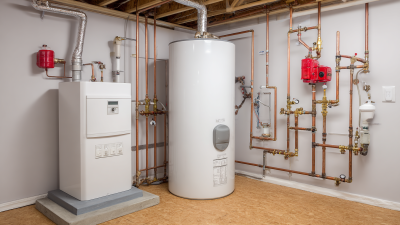
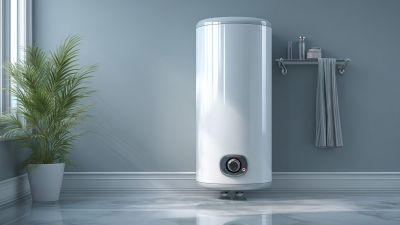
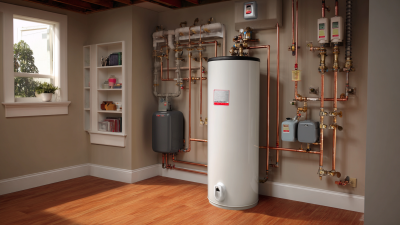
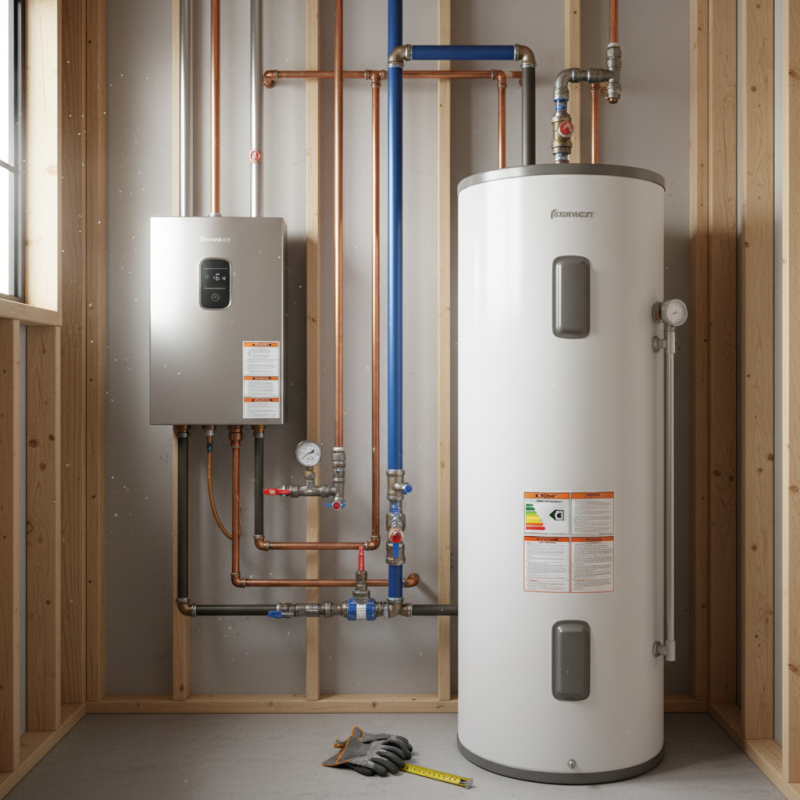
When purchasing a hot water heater, understanding the types available is crucial. There are three main categories: tank, tankless, and solar water heaters. Tank heaters, the most common, hold a significant amount of water. They heat it constantly, which can lead to higher energy bills. A report from the U.S. Department of Energy states that these systems account for nearly 18% of household energy use.
Tankless heaters, on the other hand, heat water on demand. They are more energy-efficient. Research shows they can reduce energy consumption by 24-34%. However, their initial cost is higher. Consider your household's hot water needs. A family of four might struggle with a single tankless unit during peak hours.
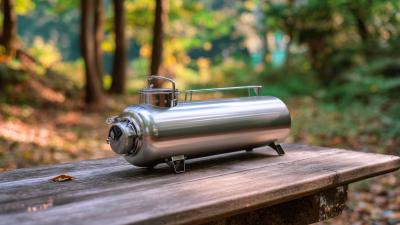
Solar water heaters leverage renewable energy. They reduce reliance on fossil fuels but have installation costs that can be daunting. Data from the International Renewable Energy Agency (IRENA) highlights that in some regions, solar options may take years to pay off. Each type has its pros and cons. Making an informed choice requires careful reflection. Have you considered your usage patterns? Are you ready to invest in energy efficiency? Your decisions today affect your energy bills tomorrow.
Types of Hot Water Heaters
Key Factors to Consider When Buying a Hot Water Heater
When purchasing a hot water heater, several crucial factors must be evaluated. The size of the unit is a primary consideration. According to the U.S. Department of Energy, the average household requires 20-30 gallons of hot water for daily use. Ensuring that the heater meets this demand is essential for comfort and efficiency.
Energy efficiency is another vital component. Many models have Energy Star ratings, indicating higher efficiency. According to the Energy Information Administration, efficient heaters can save homeowners up to $400 annually. Look for options with advanced insulation or heat pump technology, as these can significantly reduce energy waste.
Installation type also plays a critical role. Decide between tank or tankless systems based on your usage patterns. Tankless heaters provide hot water on demand and occupy less space. However, they are not always ideal for larger families. It's essential to assess the specific needs to avoid future regrets. Additionally, always verify local regulations. Some regions impose restrictions on certain types of heaters, which could impact your choice.
Best Hot Water Heater Buying Guide for Global Buyers
| Feature/Factor |
Description |
Considerations |
| Energy Source |
Hot water heaters can use electric, gas, solar, or heat pump energy sources. |
Consider availability and cost of each energy source in your area. |
| Storage Capacity |
The amount of hot water a heater can store and deliver. |
Choose based on household size and peak usage times. |
| Recovery Rate |
How quickly a heater can reheat water after it has been used. |
Higher recovery rates are important for larger families. |
| Energy Efficiency |
Rated by Energy Factor (EF) or Uniform Energy Factor (UEF). |
Higher efficiency can lead to lower utility bills. |
| Installation Requirements |
Space, plumbing, and electrical requirements vary by model. |
Can affect total installation costs and efforts. |
| Warranty |
Length and coverage of the warranty offered by the manufacturer. |
Longer warranties may indicate higher quality products. |
Energy Efficiency Ratings and Their Importance in Selection
When choosing a hot water heater, energy efficiency is crucial. Understanding energy efficiency ratings can greatly influence your decision. These ratings indicate how effectively a unit converts energy into hot water. A higher rating generally means lower utility bills over time. It's wise to look for heaters with good ratings, but be cautious. Not all models perform as well in real-world conditions.
Look for units labeled as ENERGY STAR certified. These certifications signal that a product meets strict energy efficiency guidelines. However, not every heater with a high rating will be the best fit for your home. Consider your hot water needs and usage patterns. A larger household may require a more robust model, even if it has a lower efficiency rating.
It’s important to reflect on your long-term usage. A highly efficient model may have a higher upfront cost. Balancing initial investment against potential savings is essential. Keep in mind that your local climate and water heating habits will affect efficiency. What works for one home may not be right for another. Evaluate your individual situation before making a purchase.
Comparative Analysis of Electric vs. Gas Hot Water Heaters
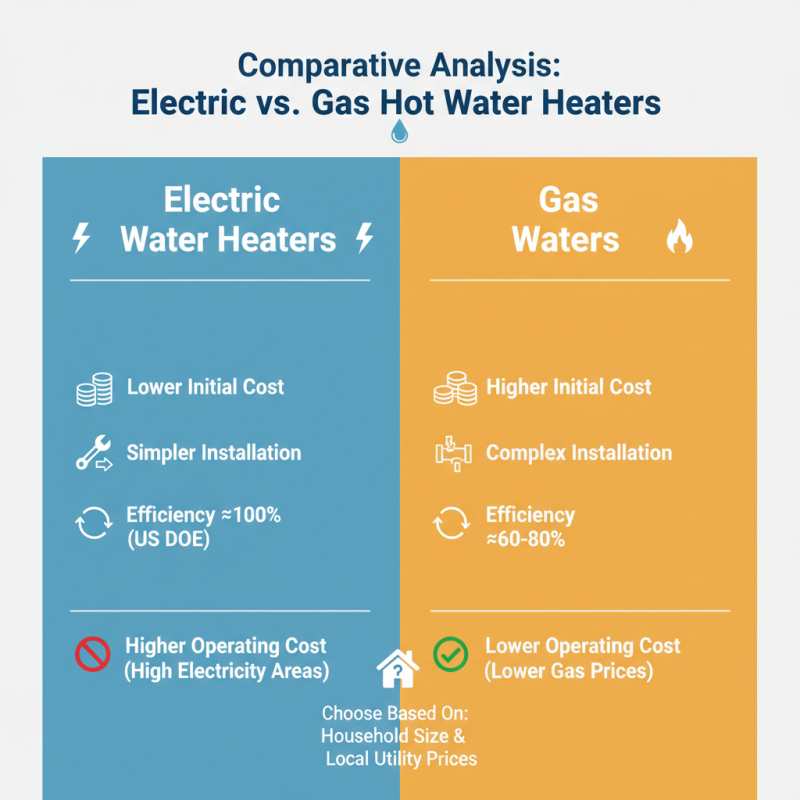
When considering hot water heaters, two main options emerge: electric and gas models. Electric heaters tend to have lower initial costs and simpler installation processes. They are ideal for smaller households with lower hot water demands. According to the U.S. Department of Energy, electric heaters have efficiency ratings approaching 100%. However, they often have higher operating costs, especially in areas with high electricity prices.
Gas heaters, on the other hand, typically offer faster heating and lower long-term costs. They are often favored by larger families or households that use significant hot water. The U.S. Energy Information Administration reports that gas water heaters consume less energy per unit of hot water compared to electric models. Yet, they require venting systems and gas lines, which can complicate installation. In some regions, natural gas prices can fluctuate, affecting overall savings.
Both options have their drawbacks. Electric models may take longer to heat large amounts of water, creating a wait time for users. Gas models can be inefficient if not properly maintained, with potential carbon monoxide leaks posing a safety risk. Buyers should weigh these factors carefully to choose the right heater for their needs.
Maintenance Tips for Prolonging the Life of Your Water Heater
Maintaining your water heater is crucial for longevity. Regular upkeep can extend its life and improve efficiency. Start by checking the temperature. A setting of 120°F is often ideal, preventing scalding while saving energy. Flushing the tank at least once a year removes sediment buildup. This buildup can lead to corrosion and reduced heating efficiency.
Inspect the anode rod regularly. This rod prevents rust inside the tank. If it’s significantly corroded or less than half an inch thick, replace it. It's an easy fix but vital for protection. Look for leaks around the connections and tank. Even small leaks can lead to bigger issues if ignored.
Don't forget about insulation. Insulating the pipes and tank minimizes heat loss. This simple step can reduce energy costs. Lastly, check the pressure relief valve. It’s a safety measure that can prevent dangerous pressure buildup. Regular checks save money and enhance safety.