What is the Best Tankless Water Heater for Your Home?
Choosing the right tankless water heater can be a daunting task. Experts in the field emphasize that finding the "Best Tankless Water Heater" is crucial for efficiency and comfort. John Smith, a renowned energy consultant, once said, "The right heater can transform your home’s energy usage."
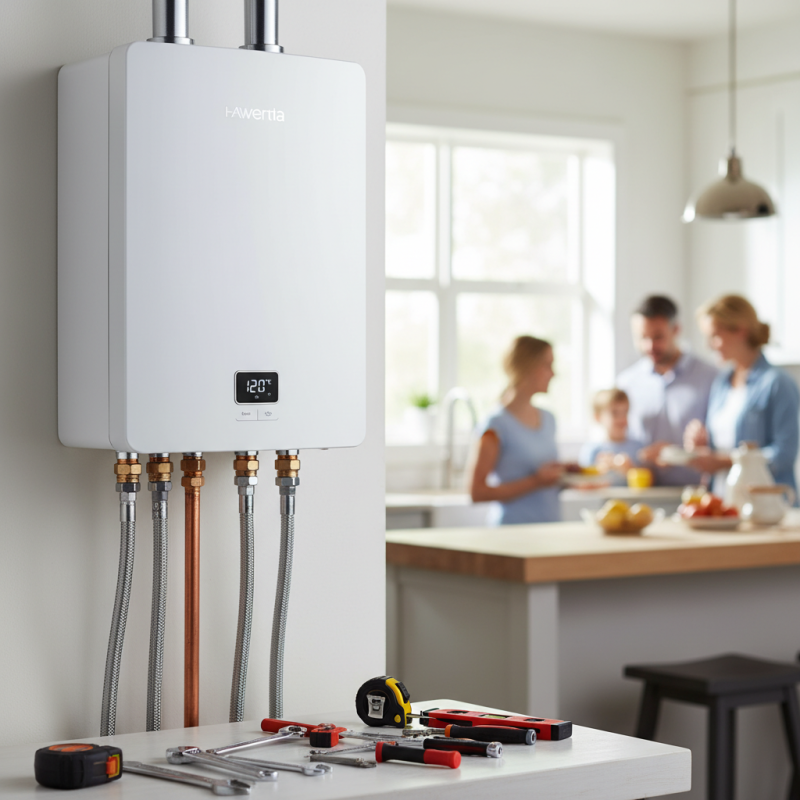
Tankless water heaters offer on-demand hot water. They save energy and space. However, not all models are created equal. Some may suit large families while others cater to smaller households. Understanding your specific needs is vital.
Moreover, consider energy costs, installation space, and flow rates. These factors directly impact your choice. Remember, the ideal tankless heater could enhance your daily life experience. But picking the wrong one can lead to dissatisfaction. It is essential to evaluate your options carefully.
Types of Tankless Water Heaters Available on the Market
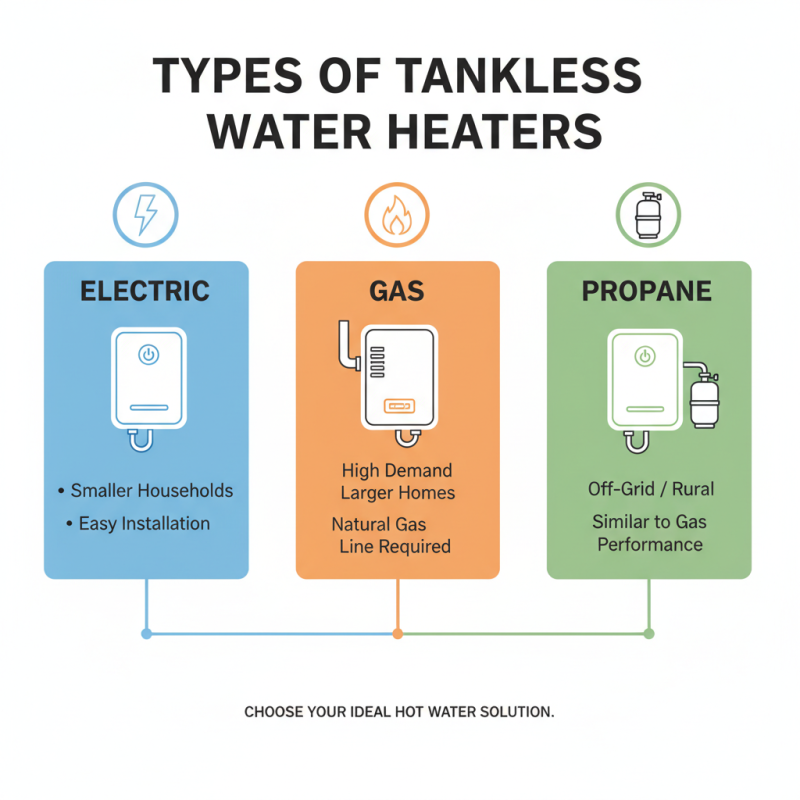
Tankless water heaters come in various types, catering to different needs and preferences. These models typically include electric, gas, and propane options. Electric heaters are often smaller and easier to install. They work well for smaller households or low-demand situations. However, their capacity is limited, which means they may struggle with multiple simultaneous uses.
Gas tankless water heaters provide more power. They can easily handle higher demands. Families with multiple bathrooms should consider this option. However, they need proper ventilation. Propane heaters share similar benefits with gas units but offer more flexibility in terms of location. Yet, the reliance on gas sources may pose a challenge in some regions.
Users should reflect on their specific needs before choosing a heater. Installation costs and energy efficiency are also critical factors. Not every home may have the right setup for gas models. Thus, careful planning is essential. Ultimately, it's about finding what fits best for your lifestyle, even if it requires some trial and error.
Key Features to Consider When Choosing a Tankless Water Heater
When selecting a tankless water heater, several key features should be prioritized.
Flow rate is crucial. Most households require between 4 and 6 gallons per minute.
A heater with a low flow rate may struggle during peak demand. Research indicates that a higher flow rate can improve user experience significantly.
Another important factor is energy efficiency. Look for models with a Uniform Energy Factor (UEF) rating of 0.82 or higher.
This can lead to substantial savings on energy bills.
According to industry reports, homeowners can save up to 30% on water heating costs.
This becomes particularly relevant in regions with high energy prices.
Installation location matters too. Indoor models often require ventilation, which can complicate installation.
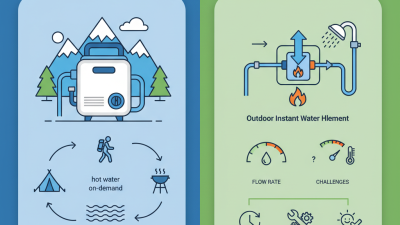
Outdoor models, while easier to set up, may have limitations in colder climates.
Evaluate your space to determine which option suits your needs best.
Consider the warranty length, too. A warranty of at least 10 years is common for quality models.
A longer warranty often indicates a manufacturer's confidence in the product.
Many features can enhance your choice. Think critically about what your household truly needs.
It’s essential to weigh these aspects carefully before making a decision.
Energy Efficiency Ratings and Their Importance
When considering a tankless water heater, energy efficiency ratings play a crucial role. They indicate how well a unit converts energy into hot water.
Higher ratings suggest lower energy consumption, which directly impacts your monthly bills. Imagine watching your utility costs shrink as you enjoy endless hot water. It’s enticing, but not all models deliver as promised.
Understanding these ratings can be confusing. Some units may seem efficient, yet fail to heat water effectively on cold days. A high energy rating does not guarantee perfect performance. You may find yourself comparing data and reviews, attempting to decipher the numbers.
Installation and maintenance are also vital. A poorly installed unit can waste energy, negating any potential savings. Regular checks are necessary to keep things running smoothly. Despite the appeal of tankless models, recognize that some adjustments are needed.
Look into your home’s specific hot water needs and usage patterns. This knowledge is essential in choosing the right system.
Installation Requirements and Costs for Tankless Water Heaters
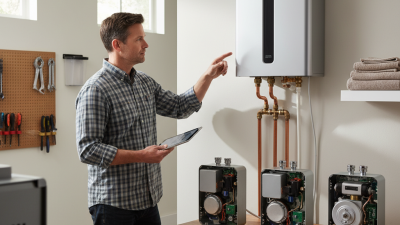
When considering tankless water heaters, installation requirements can vary significantly. Most require a gas line upgrade or an electrical panel adjustment. For gas heaters, you typically need a dedicated venting system. On average, home installation costs range from $1,500 to $3,000, depending on complexity. This includes labor, materials, and any necessary upgrades.
The process can be disruptive. You might need to clear your water heater space. Sometimes, plumbing adjustments are required. The U.S. Department of Energy states that improper installation can lead to efficiency losses of up to 20%. Some homeowners underestimate this aspect. It’s crucial to assess your home’s existing infrastructure before making a purchase.
In addition, not all homes can easily accommodate a tankless system. Some older structures may face challenges. Potential issues include insufficient venting or electrical capacity. A report from the American Society of Plumbing Engineers highlights that about 30% of installations face unexpected challenges. Careful planning can mitigate this. Always consult with a qualified professional to avoid pitfalls.
Tankless Water Heater Installation Costs
This chart illustrates the average installation costs of various types of tankless water heaters. Gas tankless heaters generally have the highest installation costs, while point-of-use options are the most affordable.
Top Brands and Models of Tankless Water Heaters Reviewed
When choosing a tankless water heater, the options can seem daunting. Many factors affect your decision. Consider the size of your household. A larger family may need a unit that provides higher flow rates. Yet, smaller homes often benefit from compact models. Efficiency is crucial too. Look for energy ratings. These can reveal significant differences in operating costs.
Brands differ greatly in features and reliability. Some models heat water quickly, while others take longer. Take time to read reviews. Consumer feedback often highlights both strengths and weaknesses. Some heaters may work fabulously but have a few quirks. It’s essential to weigh these details before a purchase.
The installation process varies widely. Some units require professional help, increasing the overall cost. This can be frustrating for DIY enthusiasts. Moreover, the warranty terms can differ among models. Ensure you understand the support offered. You're making an investment, so ponder these aspects before deciding.
What is the Best Tankless Water Heater for Your Home? - Top Brands and Models of Tankless Water Heaters Reviewed
| Model |
Flow Rate (GPM) |
Max Temperature Rise (°F) |
Energy Efficiency Rating |
Warranty (Years) |
| Model A |
6.6 |
65 |
98% |
15 |
| Model B |
7.5 |
67 |
95% |
10 |
| Model C |
5.3 |
60 |
97% |
12 |
| Model D |
8.4 |
70 |
96% |
8 |
| Model E |
6.4 |
62 |
99% |
14 |