Best Hot Cold Water Heater Options for Your Needs?
In today's world, finding the right Hot Cold Water Heater can be overwhelming. With countless options available, choosing the best one for your needs is crucial. Industry expert Dr. Emily Richards once stated, “A well-chosen water heater can enhance your comfort and save you money.” This emphasizes the importance of selecting the right system.
Many factors influence your decision. Efficiency, capacity, and energy source are vital elements to consider. For instance, electric water heaters offer easy installation but may cost more over time. Meanwhile, gas heaters often provide instant hot water but require venting. Balancing these factors is essential for making a wise investment.
It's important to reflect on personal needs. Your household size and hot water usage significantly impact your choice. Ignoring these specifics can lead to dissatisfaction or unnecessary expenses. The right Hot Cold Water Heater should align with your lifestyle and preferences.
Understanding Hot and Cold Water Heaters: An Overview
Understanding hot and cold water heaters can feel overwhelming. Different types offer unique features for various needs. Residential water heating accounts for nearly 18% of household energy use, highlighting the importance of making informed choices. Proper knowledge can lead to significant energy savings and improved reliability.
When selecting a heater, consider energy efficiency ratings. Models with higher ratings can reduce your energy bills. According to the U.S. Department of Energy, an efficient water heater saves about $400 annually. Additionally, think about the capacity. A family of four typically needs a heater that provides at least 50 gallons of hot water. It's crucial to choose a model that meets your daily demands.
Tips: Regular maintenance is key. Flushing the tank yearly can help maintain efficiency. Monitor the temperature settings; keeping it at 120°F can prevent scalding and save energy. If your heater is over ten years old, consider evaluating its performance. An aging unit may lead to unexpected costs.
Types of Hot and Cold Water Heaters Available on the Market
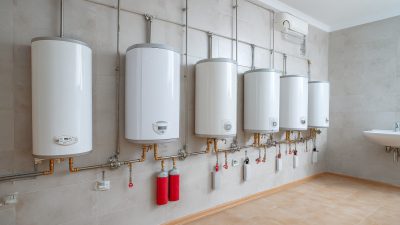
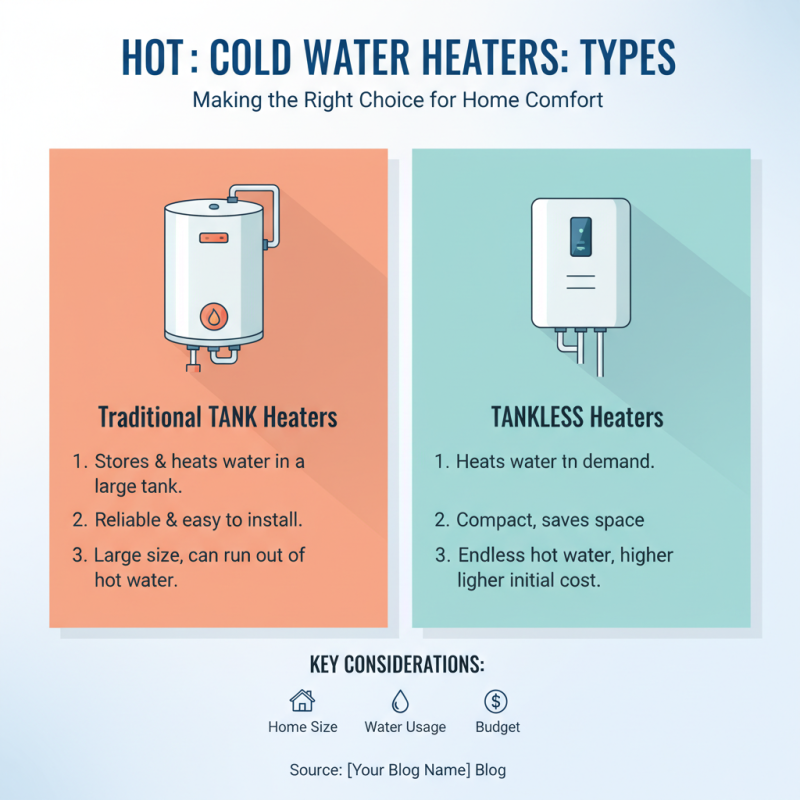
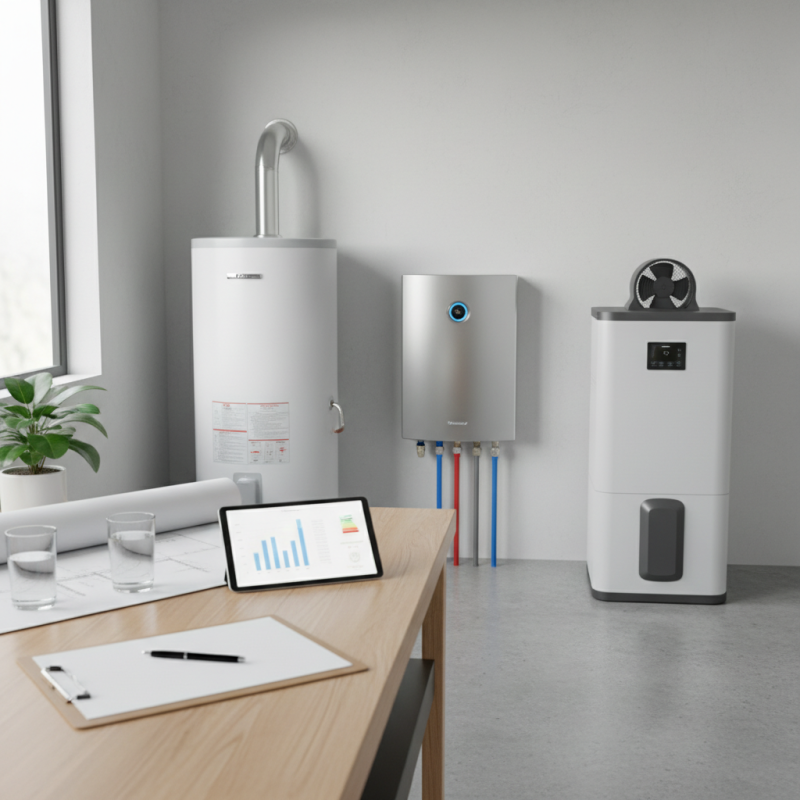
Choosing the right hot and cold water heater is essential for home comfort. There are several types available, each with its own advantages. Traditional tank heaters store and heat water in a large tank. They are reliable and easy to install, but they can take up significant space. They may also run out of hot water during high demand.
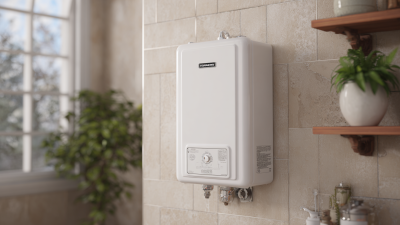
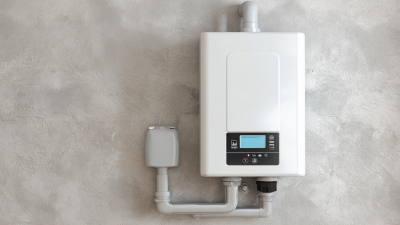
Tankless water heaters are becoming increasingly popular. They heat water on demand, which saves energy. These units are compact and can be mounted on walls, perfect for small spaces. However, they may have limitations on the flow rate, especially when multiple taps are used at once. There can be a learning curve in their installation and maintenance.
Another option is heat pump water heaters. They are energy-efficient and can pull heat from the air or ground. This option requires adequate space and proper climate considerations. On the downside, they can be costly upfront and may need more maintenance than traditional units. It's crucial to weigh the pros and cons based on your household's needs and preferences.
Factors to Consider When Choosing a Water Heater
Choosing the right water heater requires careful consideration of various factors. One key aspect is
efficiency. Look for models with high energy ratings. These options can save you money in the long run. Additionally,
size matters. Ensure your heater fits your household's needs. An undersized unit may leave you
cold during peak times.
Maintenance is another crucial factor to keep in mind. Regular checks can prolong the lifespan of your system.
Flushing the tank can prevent sediment buildup. This might be a task you can manage with some DIY effort.
When selecting a heater, consider your source of energy. Natural gas is often more cost-effective,
but electric heaters are easier to install. Analyze your home’s infrastructure to decide which option suits your needs best.
Looking at warranties can provide peace of mind. Remember, a good warranty is an indicator of durability.
Energy Efficiency Ratings and Their Importance in Water Heaters
When choosing a hot and cold water heater, energy efficiency is crucial. The U.S. Department of Energy states that water heating accounts for approximately 18% of a household's energy use. Thus, selecting a heater with a high efficiency rating can lead to significant savings. Look for models with an Energy Factor (EF) of 0.90 or higher to maximize efficiency.
According to a 2022 report by the American Council for an Energy-Efficient Economy (ACEEE), upgrading to an energy-efficient water heater can reduce energy consumption by up to 50%. This not only benefits your wallet but also helps decrease your carbon footprint. Focus on heaters that utilize advanced technologies, such as heat pump systems, which can effectively heat water using 60% less energy compared to traditional models.
However, energy efficiency isn’t the only aspect to consider. Installation and maintenance play equally significant roles. Improper installation can diminish efficiency, leading to wasted energy and higher bills. Regular maintenance checks are essential to keep your system running optimally. All these factors contribute to a decision that balances cost, energy savings, and environmental impact.
Energy Efficiency Ratings of Hot and Cold Water Heaters
Top Brands and Models for Hot and Cold Water Heaters in 2023
Choosing the right hot and cold water heater is crucial for your home. In 2023, several brands offer reliable options. Many models boast energy efficiency, which can save you money. Features like digital displays and smart technology enhance user experience. Look for heaters that provide quick heating and maintain steady temperatures.
When selecting a model, consider the size you need. A larger family may require a unit with higher capacity. Some heaters are designed for tight spaces; they can fit under sinks or in closets. Read reviews and ratings to gauge customer satisfaction. Even the best models can have drawbacks, like higher upfront costs or complex installation.
Evaluate warranties and support services offered by manufacturers. A good warranty can protect your investment in the long run. Not every product will meet all your needs perfectly. Take time to explore different options to find the right balance between features and price. It’s a journey, and sometimes, adjustments are necessary.