The Best Waterproof Water Heater for Your Home?
When considering home safety, choosing a waterproof water heater is essential. A study by the National Fire Protection Association reported that heating equipment is a leading cause of home fires. Waterproof water heaters help mitigate this risk. They are designed to prevent water intrusion, which can lead to short circuits and other hazards.
In addition to safety, waterproof water heaters can enhance efficiency. According to the U.S. Department of Energy, energy-efficient water heaters can save homeowners significant money on utility bills. The right waterproof model can not only provide hot water but also protect against water damage. This is crucial in areas prone to flooding.
Choosing a waterproof water heater comes with challenges. Many models can be costly upfront. Consumers must consider long-term benefits versus initial investment. It's important to weigh options carefully and ensure the features meet your specific needs. Investing in a high-quality waterproof water heater could yield peace of mind and improved safety in the long run.
What is a Waterproof Water Heater and Why is it Important?
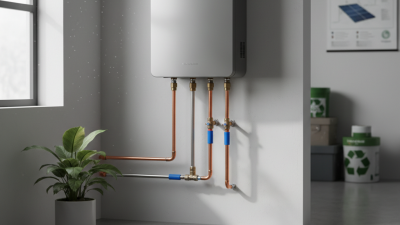
A waterproof water heater is designed to withstand moisture. This feature is crucial for homes in humid climates or areas prone to water leaks. It prevents corrosion and electrical hazards. A waterproof design ensures durability and reliability. Homeowners can enjoy peace of mind knowing that water won't compromise their heater's safety.
The importance of a waterproof water heater cannot be overstated. Water damage can lead to costly repairs. Vulnerable heaters might fail when exposed to excess moisture. This can disrupt your daily routine. Problems often arise in basements or utility rooms where water accumulates. It’s common to see heaters damaged by accidental leaks.
Choosing a waterproof model can be a game changer. However, not all units are created equal. Some still require regular maintenance. Homeowners must inspect their heaters periodically. Ignoring issues can lead to malfunction. It's essential to be proactive in ensuring your water heater remains safe and functional.
Key Features to Look for in a Waterproof Water Heater
When choosing a waterproof water heater, several key features come into play. First, look for a sturdy construction that ensures durability against moisture. Stainless steel is often a good choice. This material resists rust and corrosion, extending the lifespan of the heater.
Consider the waterproof rating. A higher IP rating means better protection against water ingress. An IPX4 rating or higher is ideal for most home applications. Remember, even durable heaters may not perform well if not installed correctly. Professional installation can save you headaches later.
Tips: Check the warranty offered. A good warranty reflects the manufacturer's confidence in their product. Think about the heater's energy efficiency too. An efficient model can save money over time while providing consistent hot water.
Finally, assess maintenance needs. Waterproof does not equate to maintenance-free. Periodic cleaning helps keep the system running smoothly. Sometimes, individuals overlook this aspect, resulting in poorer performance. It's wise to keep this in mind when making a decision.
Top Brands and Models of Waterproof Water Heaters for Home Use
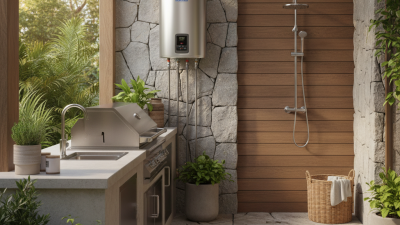
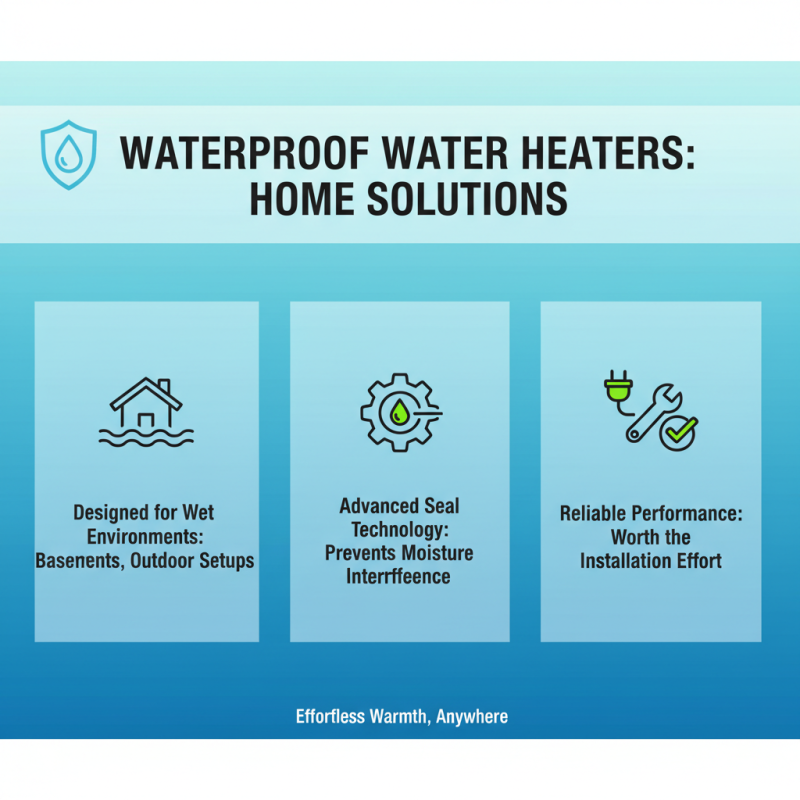
When searching for the best waterproof water heater for your home, various options are available. Many consumers appreciate models designed for wet environments. These heaters often feature advanced seals to prevent any moisture interference. They are perfect for basements or even outdoor setups. Installation can sometimes be tricky, but the effort is generally worth it.
Energy efficiency is a key consideration. Some waterproof heaters consume less power, which can lead to savings on utility bills. However, it’s essential to analyze your specific hot water needs. Not all models are suitable for larger households. Evaluating your usage habits can help ensure you choose wisely.
Beyond functionality, consider the design. Aesthetics can influence your decision too. A sleek, modern look may fit better with certain decors. There can be challenges in maintenance as well. Regular checks are necessary to ensure everything runs smoothly. Ideally, select a heater that balances durability and ease of upkeep.
Installation Considerations for Waterproof Water Heaters
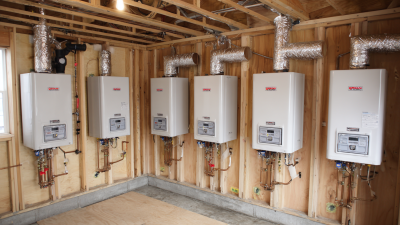
When considering the installation of a waterproof water heater, several factors must be taken into account.
Location is crucial. Placing the heater in a damp area, like a basement, may lead to challenges. Ensure proper ventilation in the surrounding area.
This prevents moisture buildup, which could affect performance. The installation site should also have appropriate drainage. A leak can lead to major damage if water cannot escape.
The electrical connections require careful planning. Use waterproof fittings to avoid complications over time.
It's also wise to position the heater away from high traffic areas. Accidental bumps can cause leaks or malfunctions. Hiring a skilled technician can help, but consider their experience with waterproof systems.
Sometimes, even professionals might overlook small details, leading to future issues.
Remember to check local codes and regulations. Compliance with these can save you from headaches later.
Each setup is unique, so tailor your approach. It's essential to reflect on every step of the installation. Mistakes can be costly.
Take your time to ensure the job is done correctly.
Maintenance Tips to Ensure Longevity of Your Waterproof Water Heater
Water heaters are crucial for everyday comfort. A waterproof model helps reduce the risk of damage from leaks or spills. However, maintaining its efficiency is essential for longevity. Regular checks can prevent larger issues later. Inspect for any signs of wear or corrosion. Keeping the area dry and clutter-free matters too.
Flushing the tank periodically helps remove sediment buildup. This simple task can significantly extend its life. Use a garden hose for easy draining. Be cautious; the water may be hot. Another crucial tip is to monitor the temperature settings. Keep them at a safe level to avoid overheating.
Don’t forget about insulation. Proper insulation helps minimize energy loss. Wrap pipes for added efficiency. Yet, even with precautions, problems may arise unexpectedly. Be prepared for repairs. Knowing a little about common issues can save time and money. It's essential to stay attentive to your unit’s performance. Regular maintenance can make a difference over time.