Why Choose a Portable Water Heater for Your Camping Adventures?
When embarking on camping adventures, the choice of gear can significantly impact the overall experience. Portable water heaters stand out as a must-have item for outdoor enthusiasts. According to camping expert Mike Anderson, "A portable water heater can transform your camping experience into a more comfortable and enjoyable one." This statement highlights the importance of convenience when exploring nature.
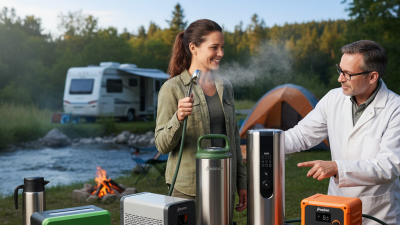
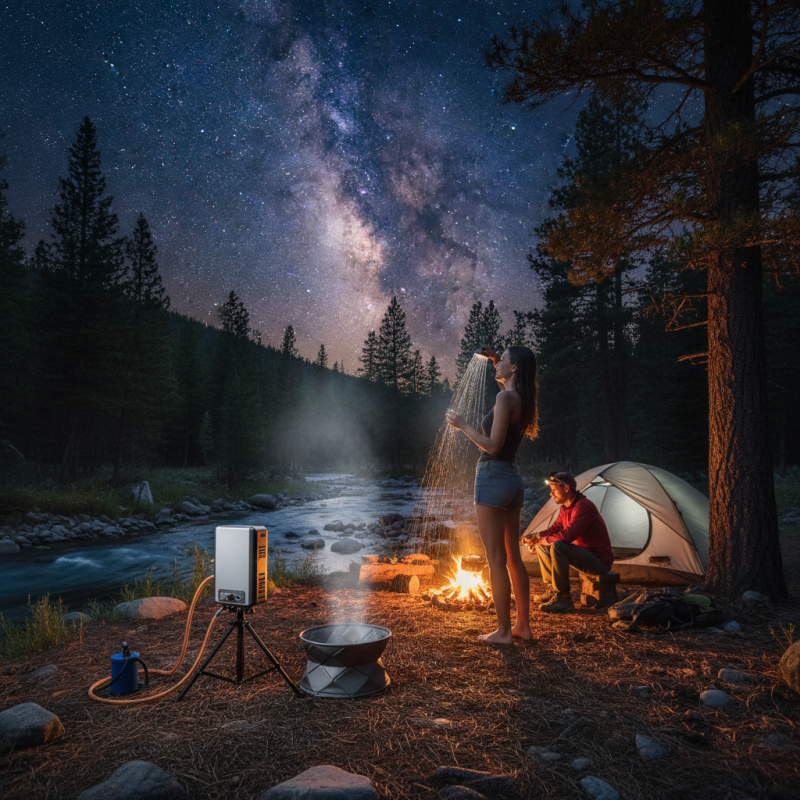
Many campers appreciate the luxury of hot water. It enhances cooking, cleaning, and personal hygiene while away from home. A portable water heater can save time and effort, allowing you to focus on enjoying your surroundings. Picture yourself preparing a warm meal after a long hike or taking a hot shower under the stars. These moments create lasting memories, but not every trip may warrant the extra gear. Sometimes, campers may question if it’s worth the weight.
While portable water heaters offer undeniable benefits, there are factors to consider. Not every camper requires hot water for their adventure. Shifting priorities and preferences can make this tool less appealing to some. Reflecting on the true needs of your trip is essential for efficient packing. Ultimately, the decision rests with the individual camper and their unique journey, making the choice personal yet impactful.
Benefits of Using a Portable Water Heater for Camping
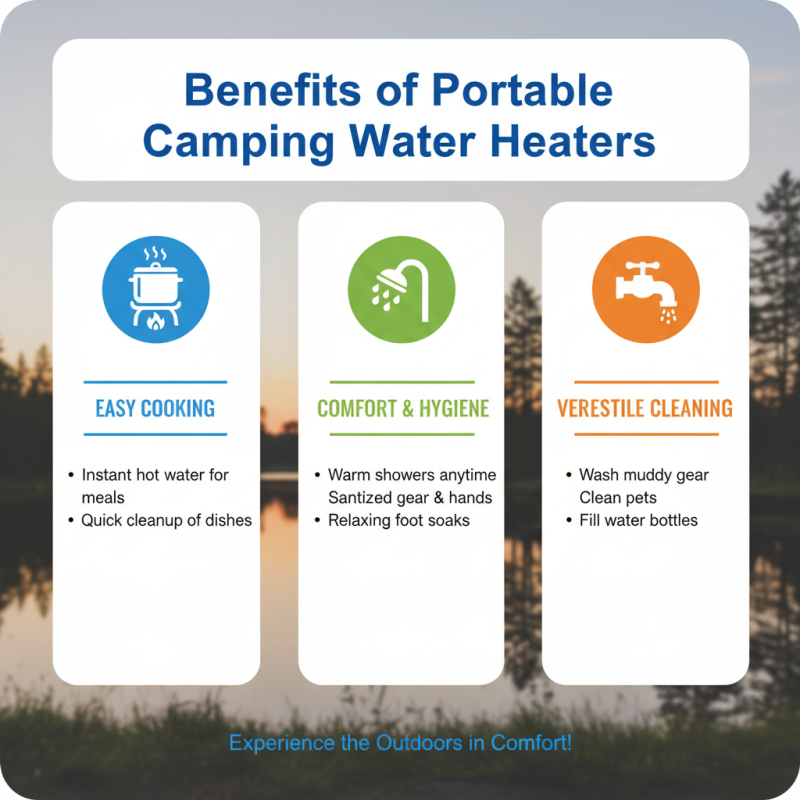
Camping can be a delightful escape into nature. However, it often comes with challenges, especially when it comes to hot water. A portable water heater can change that experience dramatically. It provides hot water for cooking, cleaning, and even personal hygiene, making outdoor life much more comfortable.
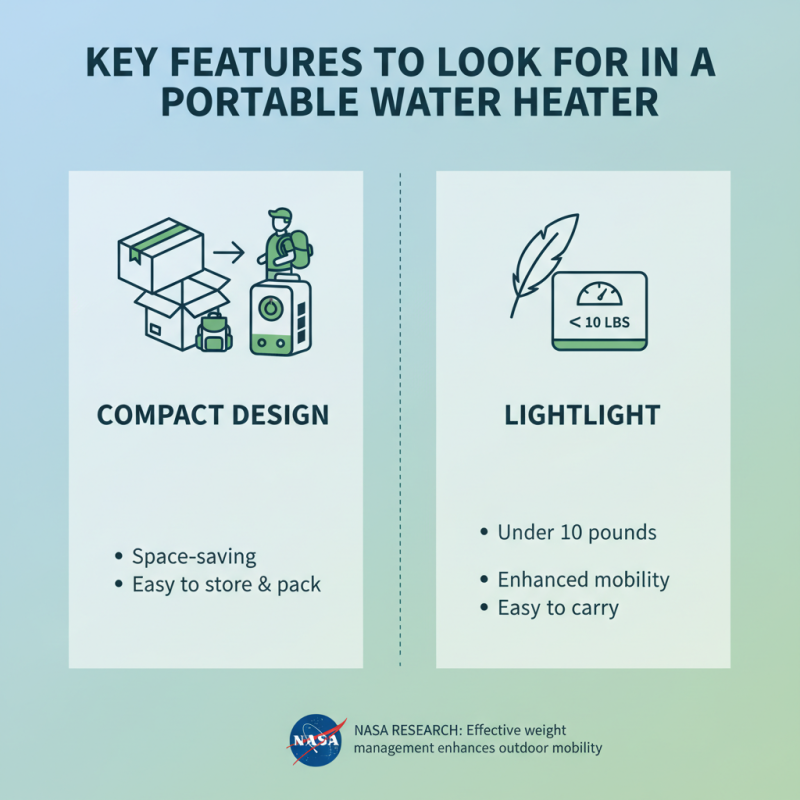
The flexibility of a portable water heater is a major advantage. You can set it up near your tent or campsite without hassle. It takes up minimal space and is usually lightweight, making it easy to transport. Imagine coming back after a long hike and being able to brew your coffee with hot water in minutes. You don't have to deal with cold showering in the morning chill or struggle with washing dishes after meals.
While using a portable water heater sounds convenient, it is essential to choose the right one. Finding the balance between size, capacity, and fuel type can be tricky. Not all heaters are equally efficient in different weather conditions. Always prioritize safety and reliability. Evaluate your needs carefully. It’s worth reflecting on what works best for your camping style. Every setup has its quirks and requires some trial and error to perfect.
Types of Portable Water Heaters Suitable for Camping
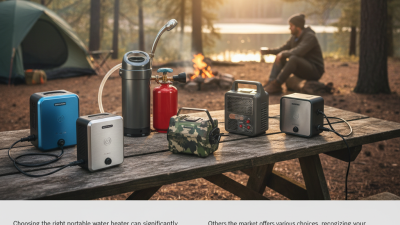
When it comes to camping, having access to hot water can greatly enhance your experience. Portable water heaters are a great solution. They come in various types, each suited for different needs and preferences.
One popular option is propane water heaters. These heaters use propane gas to heat water quickly. Reports indicate that propane models can produce hot water in less than 10 minutes. This feature is beneficial when you're in a hurry to cook or clean.
Another option is electric portable water heaters. They are efficient but require a power source, making them ideal for campsites with electricity. According to the Camping Industry Association, nearly 40% of campers prefer electric models for their ease of use.
For those who prioritize lightweight gear, consider solar water heaters. These are eco-friendly and use solar panels to heat water. However, they depend heavily on sunlight. On cloudy days, they may not heat water as effectively.
It’s important to note that while solar heaters are sustainable, their performance can vary widely. Moreover, users often face challenges with temperature control. Selecting the right heater can be overwhelming, as each type has its pros and cons. Therefore, thoughtful consideration is essential based on your camping style and conditions.
Safety Tips for Using a Portable Water Heater Outdoors
When using a portable water heater outdoors, safety must be a priority. Always inspect the heater before use. Look for any signs of wear, such as cracks or leaks. A damaged unit can pose serious risks. Ensure that you read the user manual thoroughly for specific safety instructions.
Setting up your heater away from flammable materials is essential. Position it on a stable surface to prevent tipping. Monitor it while in use, especially in windy conditions. If the heater has a built-in safety shut-off, understand how it functions. This feature can protect against overheating.
Always use it in a well-ventilated area. Carbon monoxide buildup can occur in enclosed spaces. If using propane, check for proper connections to avoid gas leaks. Store fuel safely, away from heat. Consider the weather when planning your camping trip. Rain or snow may impact your heater's effectiveness. Not all heaters perform reliably in extreme conditions. Prepare for these challenges to enjoy a safe and successful camping adventure.
Maintenance and Care for Your Portable Water Heater
When it comes to enjoying the great outdoors, ensuring a reliable supply of hot water is essential. Portable water heaters can make a big difference in comfort during camping trips. However, proper maintenance and care are crucial to maximize their lifespan and performance. Regular cleaning helps to remove mineral buildup, which can significantly impair efficiency. According to industry reports, nearly 30% of portable water heaters fail due to neglect in maintenance.
Inspecting fittings and hoses is vital. A small leak can lead to larger issues, such as overheating. It’s recommended to check connections before and after every trip. Additionally, winterizing a water heater before long-term storage can prevent damage from freezing. Data from camping safety studies indicate that improper care can lead to performance drops of up to 40% during peak usage times.
Operating within recommended temperature ranges is also important. Many users unknowingly exceed these limits, risking both safety and heater longevity. Understanding the user manual is just as important as selecting the right model. Not all portable heaters are suited for the same conditions. Proper education and proactive care can ensure that your camping adventures remain enjoyable and stress-free.
Portable Water Heater Usage and Maintenance
This chart illustrates the various aspects of portable water heater usage and maintenance. The data points represent the average frequency of use per month, recommended maintenance tips, common issues encountered, and overall satisfaction with portable water heaters. Understanding these factors can help maximize performance and longevity during camping adventures.