Why Choosing a Waterproof Water Heater is Essential for Your Home Safety
In today’s fast-paced world, ensuring the safety and comfort of our homes is paramount. One crucial element often overlooked during home renovations or upgrades is the installation of a waterproof water heater. A waterproof water heater is not merely an accessory; it is a necessary investment that significantly enhances the safety of your living environment. Water heaters, while essential for providing hot water, can pose significant risks if not properly safeguarded against water exposure.
The importance of a waterproof water heater stems from its ability to prevent catastrophic incidents such as electrical hazards and water damage. By selecting a water heater designed to withstand the rigors of wet conditions, homeowners can mitigate risks and protect their property and loved ones. Moreover, with the ever-increasing advancements in technology, today's waterproof water heaters offer not just safety features but also improved energy efficiency, thus contributing to both environmental sustainability and reduced utility bills.
In conclusion, choosing a waterproof water heater should be a top priority for any homeowner looking to enhance safety and reliability in their household. By making informed decisions regarding the types of water heaters they install, homeowners can ensure a secure and comfortable living space for their families.
Importance of Home Safety in Water Heater Selection
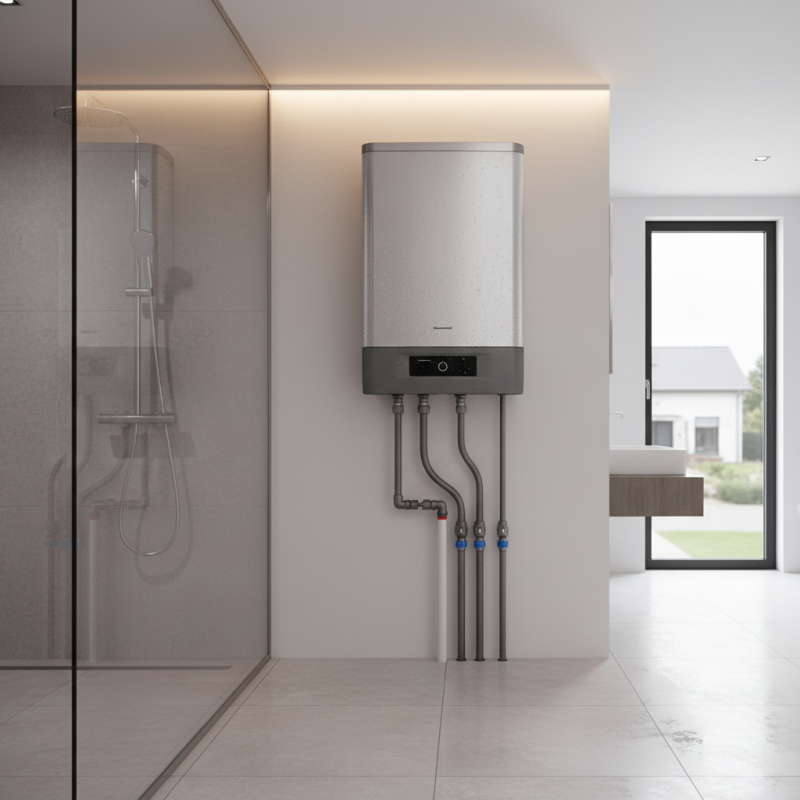
When selecting a water heater, the importance of home safety cannot be overstated. A waterproof water heater plays a vital role in preventing potential hazards associated with water damage. Water leaks from traditional heaters can lead to extensive damage to flooring, walls, and electrical systems, creating not only costly repairs but also hazardous living conditions that could compromise the safety of your family. By choosing a waterproof model, homeowners can significantly reduce the risk of such incidents, ensuring a more secure environment.
Furthermore, a safe water heater contributes to overall home safety by minimizing the risk of electrical shocks and fire hazards. Water heaters that are designed with waterproof features reduce the chances of electrical components being affected by moisture. This design consideration is particularly crucial in homes with high humidity levels or in areas prone to flooding. Ensuring that your water heater is waterproof not only enhances its longevity but also provides peace of mind, allowing homeowners to focus on their daily lives without the constant worry of potential water-related accidents within their homes.
Understanding the Risks of Non-Waterproof Water Heaters
When considering home safety, the risks associated with non-waterproof water heaters cannot be overlooked. These appliances are often placed in areas where exposure to moisture is inevitable, such as basements or laundry rooms. A water heater that lacks proper waterproofing can create a serious risk of electrical malfunctions. Water and electricity are a dangerous combination; any leakage can lead to short circuits, potentially resulting in fires or severe electric shocks.
Additionally, non-waterproof water heaters may suffer from damage due to condensation or splashes, which can degrade components over time. This gradual deterioration not only reduces the lifespan of the unit but may also lead to water contamination issues if leaks occur. Homeowners may be unaware of these hidden hazards until they escalate into costly repairs or health risks. Opting for a waterproof water heater ensures greater protection against such risks, providing peace of mind and safeguarding the household from potential disasters.
Benefits of Choosing a Waterproof Water Heater
When it comes to home safety, choosing a waterproof water heater can significantly reduce the risks associated with water damage and electrical hazards. According to a report by the National Fire Protection Association (NFPA), heating equipment is responsible for approximately 14% of home fires in the United States. A waterproof water heater minimizes this risk by preventing water ingress in electrical components, thereby reducing the likelihood of electrical malfunctions that could lead to fires.
In addition to enhancing safety, waterproof water heaters offer long-term durability. A study published in the Journal of Building Performance indicates that appliances with waterproof features can last up to 20% longer than non-waterproof counterparts. This is particularly important in areas prone to flooding or high humidity, where traditional water heaters are more vulnerable to damage. By investing in a waterproof model, homeowners are not only safeguarding their property but also potentially lowering maintenance and replacement costs over time.
Key Features to Look for in Waterproof Water Heaters
When selecting a waterproof water heater for your home, there are several key features to consider that can significantly enhance safety and efficiency. Firstly, look for a heater that is specifically designed with an IP rating, which indicates its resistance to moisture and dust. An IP rating of at least IPX4 is recommended, as this shows the unit can withstand splashes from any direction, making it suitable for areas like bathrooms and laundry rooms.
Another important feature is the quality of insulation. A well-insulated water heater ensures that the heat is retained efficiently, minimizing energy loss and reducing your electricity bill. Additionally, check for safety certifications and dual protection mechanisms, such as pressure relief valves and temperature control systems, which help ensure safe operation even in humid conditions.
**Tips:** Regular maintenance and inspection of your waterproof water heater can help catch potential issues early. Consider checking for signs of wear or leaks and consult a professional for servicing to ensure optimal performance. Also, positioning your water heater in a well-ventilated space can further decrease risks associated with moisture buildup. By focusing on these key features, you can enhance your home's safety while enjoying reliable hot water.
Why Choosing a Waterproof Water Heater is Essential for Your Home Safety - Key Features to Look for in Waterproof Water Heaters
| Feature |
Description |
Importance |
Recommendation Level |
| Waterproof Rating |
IPX4 or higher for protection against water splashes. |
Prevents electrical shocks and damage. |
High |
| Corrosion Resistance |
Materials that resist rust and degradation over time. |
Increases lifespan and safety of the heater. |
Medium |
| Thermal Overload Protection |
Automatic shut-off when overheating occurs. |
Ensures user safety and prevents fires. |
High |
| Ease of Installation |
Simplifies setup with user-friendly instructions. |
Reduces installation time and costs. |
Medium |
| Energy Efficiency |
High energy factor for lower utility bills. |
Saves money and is environmentally friendly. |
High |
Professional Installation and Maintenance Considerations
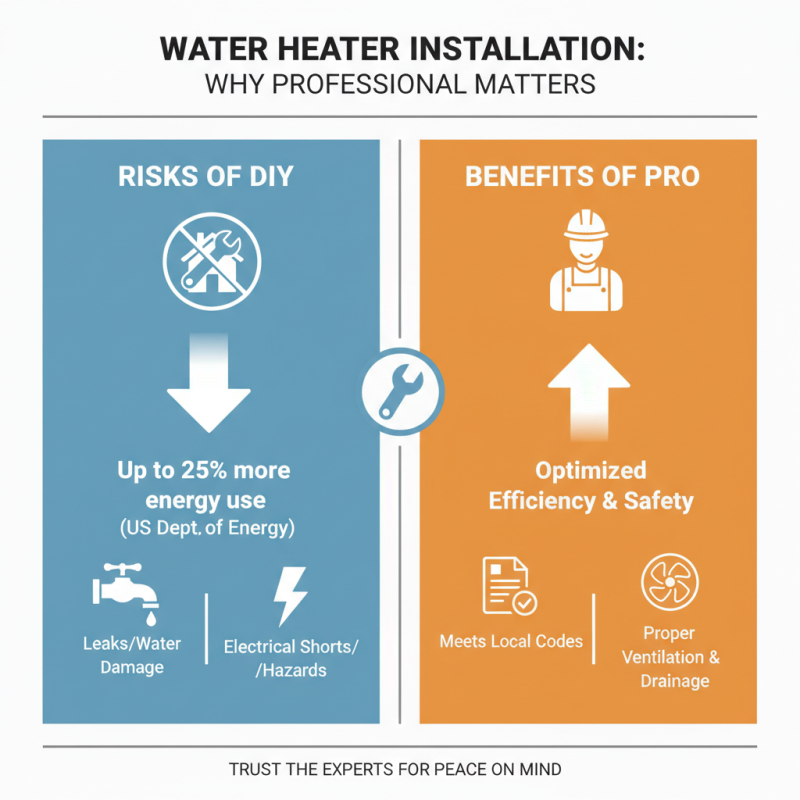
When considering the installation of a waterproof water heater, professional installation is paramount for ensuring safety and efficiency. According to the U.S. Department of Energy, improper installation can lead to increased energy consumption by up to 25%. This statistic highlights the crucial role a qualified technician plays in setting up your water heater, ensuring it meets local codes and operates efficiently. Moreover, a professional installer will evaluate specific features like ventilation, drainage, and electrical connections, minimizing the risk of hazardous situations such as leaks or electrical shorts.
Regular maintenance of waterproof water heaters is equally essential. The National Fire Protection Association (NFPA) reports that malfunctioning water heaters are a leading cause of home fires, with improper installation cited as a notable risk factor. Scheduled maintenance checks by professionals can identify and rectify potential issues before they escalate. This often involves inspecting connections, testing the relief valve, and cleaning the unit to enhance performance and safety. By investing in professional installation and adhering to a maintenance schedule, homeowners can significantly reduce risks, ensuring their water heating system operates safely and efficiently for years to come.