How to Choose the Best Gas Multipoint Water Heater for Your Home?
Choosing the right gas multipoint water heater for your home can be a daunting task. With numerous brands and models available, homeowners often feel overwhelmed. Industry expert, John Thompson, emphasizes, “Selecting the right model can lead to significant energy savings.” His insight reflects a wider trend in the industry, where efficiency is a key concern.
According to the latest report by the Energy Efficiency Association, gas multipoint water heaters are becoming popular due to their energy efficiency and convenience. They provide instant hot water at multiple outlets simultaneously, making them ideal for modern households. However, it's essential to consider factors like capacity and installation requirements.
Many consumers overlook these crucial details, which can lead to poor performance. Some products may promise high efficiency but fall short in real-world applications. Understanding the specific needs of your household is vital. The right gas multipoint water heater can make a difference, but finding it requires careful thought and research.
Understanding the Basics of Gas Multipoint Water Heaters
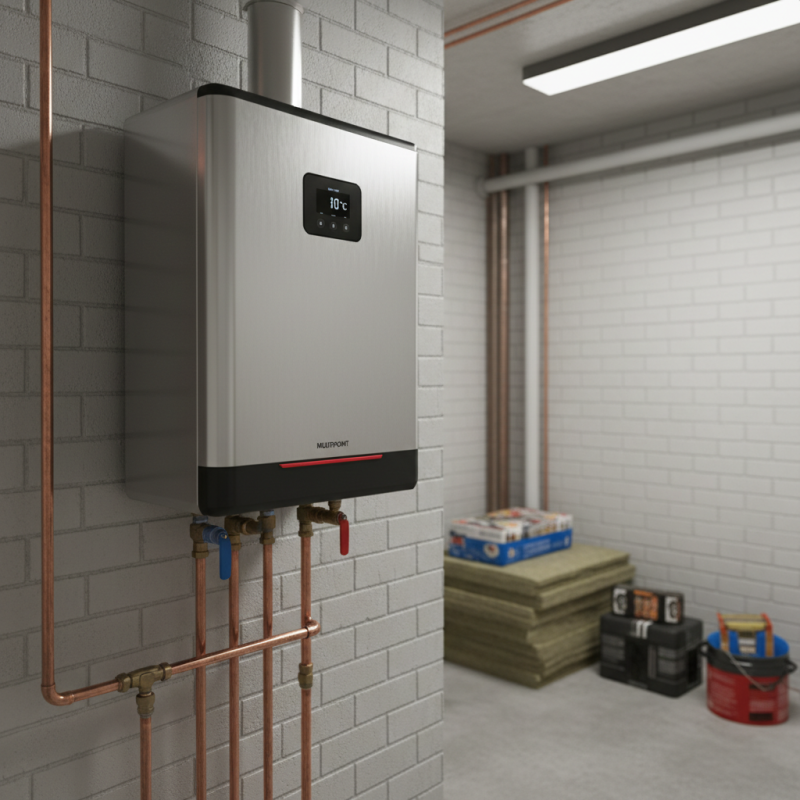
Gas multipoint water heaters are popular in many homes. They provide hot water to multiple outlets simultaneously. Understanding how these systems work is essential for any homeowner considering one.
These heaters use gas to heat water quickly and efficiently. They have a built-in thermostat to regulate the temperature. This feature is convenient, but it's crucial to ensure it's properly set. An incorrect setting may lead to scalding or inadequate heating. Regular maintenance is necessary to keep these units functioning optimally.
When choosing a gas multipoint water heater, pay attention to the size and capacity. Not every unit suits every home. Consider your household's hot water demand. It's also vital to think about the installation space. If there's limited space, a compact model may be preferable. Always weigh the options carefully; mistakes can be costly.
Evaluating Your Home's Hot Water Needs
When evaluating your home’s hot water needs, start by considering the number of occupants. A family of four typically requires about 75 gallons of hot water daily. This figure can vary. Showers, washing machines, and dishwashers all contribute to your overall consumption.
Next, think about your peak usage times. Research indicates that most households experience their highest demand in the morning. A gas multipoint water heater must meet these demands effectively. If your heater cannot supply consistent hot water during these busy hours, gaps can disrupt your routine.
Pay attention to your local climate as well. Colder regions may require a more powerful heater. In warmer climates, a standard model might suffice. Remember, not all homes are the same. Each household's specific needs should influence your choice. Moreover, consider installation space. Some units may require more room than others, which can add complexity to your decision-making process.
Comparing Features and Efficiency Ratings
When choosing a gas multipoint water heater, efficiency ratings play a crucial role. Look for models with high energy efficiency, indicated by their energy factor (EF). According to the U.S. Department of Energy, a higher EF rating translates to lower operating costs over time. A reliable system should ideally have an EF of at least 0.67.
Features also matter significantly. Consider the flow rate, which indicates how much hot water can be delivered at once. A good flow rate is essential for larger households. Additionally, check safety features like automatic shut-off and flame failure protection. These are vital for preventing accidents.
Tip: Regular maintenance enhances efficiency. Flushing the tank every six months can remove sediment build-up. This can keep your water heater working optimally and extend its lifespan.
Watch out for some common issues, like improper installation. It can lead to inefficiencies and even damage. Ensure your heater is installed by a qualified professional. Also, consider usage patterns. If your family often uses hot water simultaneously, a larger capacity may be necessary.
Comparing Features and Efficiency Ratings of Gas Multipoint Water Heaters
| Model |
Input Power (BTU) |
Flow Rate (GPM) |
Energy Efficiency (%) |
Dimension (inches) |
Weight (lbs) |
| Model A |
140,000 |
6.5 |
90 |
20 x 30 x 12 |
55 |
| Model B |
199,000 |
8.0 |
88 |
22 x 30 x 14 |
60 |
| Model C |
180,000 |
7.5 |
92 |
21 x 28 x 13 |
57 |
| Model D |
150,000 |
5.5 |
85 |
19 x 26 x 11 |
50 |
Installation Considerations for Gas Multipoint Water Heaters
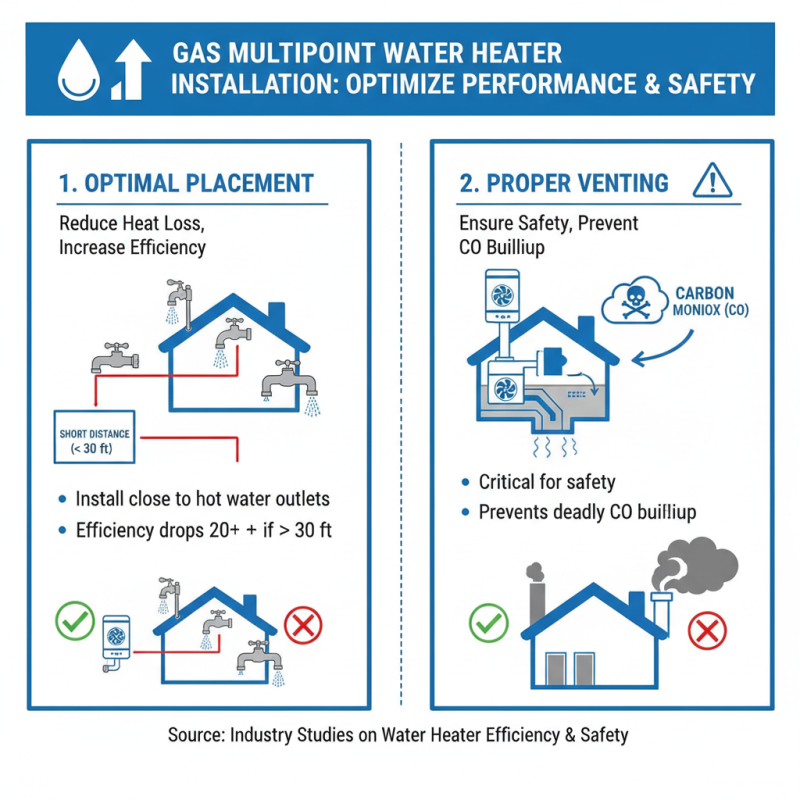
When considering a gas multipoint water heater, installation plays a crucial role in performance. Proper placement is essential to optimize efficiency. Studies show that water heaters must be installed close to hot water outlets to reduce heat loss. A distance of more than 30 feet can decrease efficiency by 20% or more. Ensuring proper venting is also critical. A poorly vented system can lead to carbon monoxide buildup, which poses serious safety risks.
Installation height is another important factor. Placing the unit too low may affect water pressure and accessibility. Conversely, positioning it too high can complicate maintenance tasks. Ensuring adequate clearance around the heater promotes airflow and allows for proper servicing. According to industry guidelines, a minimum clearance of 18 inches is recommended on all sides for safe operation.
Moreover, local plumbing codes must be considered. Failing to comply can lead to expensive adjustments later. Always consult a professional if unsure about the installation requirements. Ignoring details can result in future headaches. The right installation can save energy and prevent costly repairs in the long run.
Maintenance Tips for Longevity and Performance
Regular maintenance is crucial for the longevity of gas multipoint water heaters. Start by checking the pressure relief valve. A stuck valve can lead to dangerous conditions. Test it periodically to ensure it's functioning properly. Watch for any leaks. Small drips can quickly turn into major issues.
Flushing your water heater annually is another essential step. Sediment can build up over time, affecting efficiency. Use a hose to drain water from the tank. You may notice discolored water, which indicates sediment presence. This task may seem tedious, but it's vital for optimal performance.
Don't neglect the anode rod, either. It protects the tank from corrosion. Inspect it every two to three years. If it’s heavily corroded, it’s time for a replacement. Ignoring this can shorten the life of your heater. Remember, a little effort goes a long way in maintaining your system.
Gas Multipoint Water Heater Efficiency Ratings