How to Choose the Best Outdoor Water Gas Heater for Your Needs?
Choosing the right Outdoor Water Gas Heater can greatly enhance your outdoor experience. Whether for a cozy gathering or a relaxing bath, the right heater makes all the difference. Many options exist, but not all will meet your needs.
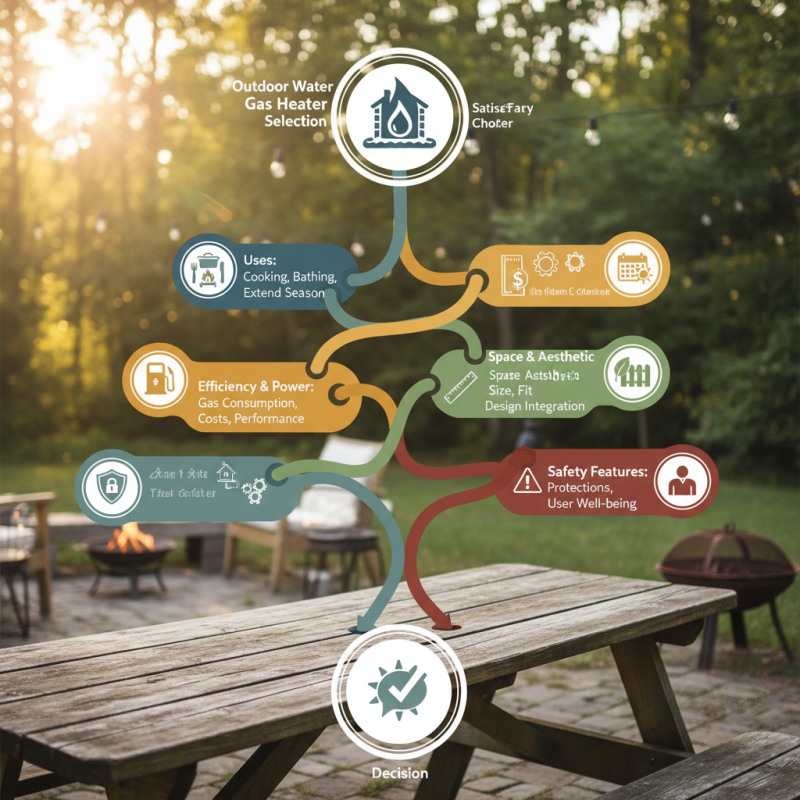
Consider your specific requirements. Do you need a heater for cooking, bathing, or extending your outdoor season? Think about efficiency and power sources. Some heaters may consume more gas than others, leading to higher costs.
It’s crucial to evaluate the space available. A bulky heater might not fit snugly in your backyard. Look for models that blend well with your outdoor aesthetic. Also, think about safety features. A heater without proper safety measures can pose risks. Selecting an Outdoor Water Gas Heater requires reflection on all these factors for a satisfactory choice.
Understanding Your Hot Water Needs for Outdoor Use
When considering an outdoor water gas heater, it's essential to understand your hot water needs. Start by determining how many people will use it. Is it just for your family, or will guests use it too? This can affect the heater's capacity. Think about peak usage times. Do you often have gatherings where multiple showers or hot water needs arise simultaneously?
Next, consider the type of outdoor activities you'll engage in. Will you need hot water for camping, washing pets, or cleaning outdoor equipment? Different activities require different volumes of hot water. Sometimes, it might feel overwhelming. You may want immediate hot water, but it could lead to overestimating your requirements. Taking a moment to reflect on your actual needs is crucial.
Lastly, factor in the climate of your area. Colder regions typically need a more powerful heater to ensure a steady supply of hot water. It’s easy to overlook this aspect, thinking all units perform similarly. Each situation is unique. Take time to analyze your preferences and specific scenarios to find the best fit for your outdoor hot water needs.
Types of Outdoor Water Gas Heaters Available in the Market
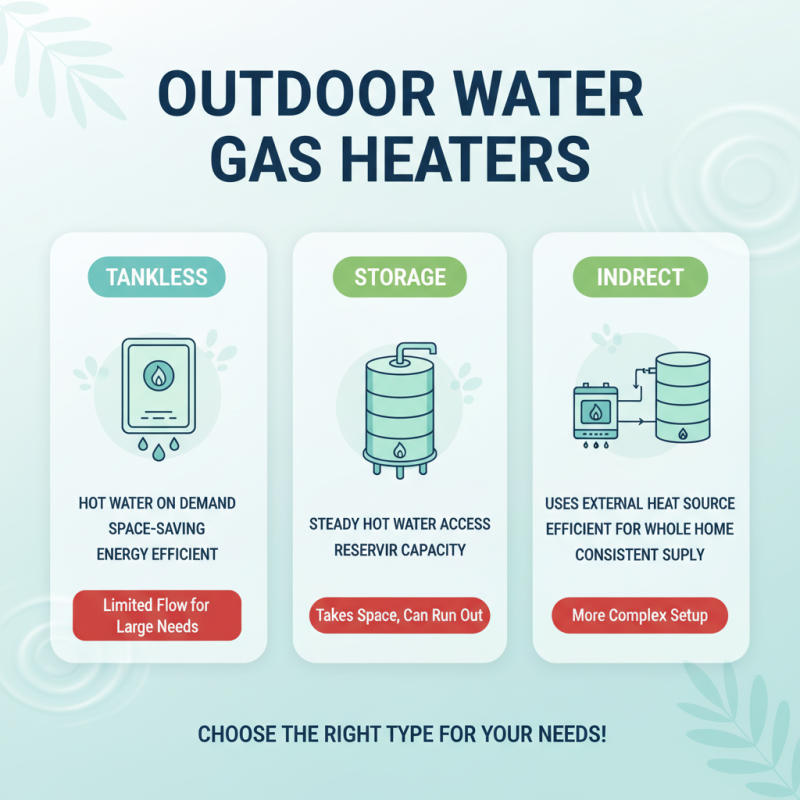
When selecting an outdoor water gas heater, it's essential to understand the types available. There are mainly three categories: tankless, storage, and indirect systems. Tankless heaters provide hot water on demand. They save space and energy. However, their flow rate might not meet large needs. Storage heaters hold a certain amount of hot water, which is convenient for steady access. Yet, they can take up more space and may run out of hot water.
Indirect systems are versatile, using gas to heat water through a separate boiler. This option can be more complex to install. It's ideal for large homes where water use is high. Each of these types comes with unique benefits and drawbacks, so it’s important to analyze your specific needs.
Tips: Think about your water usage. If you have a large family, a storage heater might be better. For small spaces, consider a tankless option. Always check the energy efficiency ratings before purchasing. High efficiency may come with a higher upfront cost but can save money in the long run. Reflect on your long-term needs as well since outdoor heaters can be a significant investment.
Key Features to Consider When Choosing a Gas Heater
Choosing the right outdoor water gas heater can be a challenge.
Key features should guide your decision. First, consider the heating capacity. It determines how quickly you can get hot water. A larger space requires a more powerful unit.
Don't overlook efficiency ratings. A higher efficiency will save you money in the long run. Look for models that use less gas.
Next, think about portability. If you plan to move your heater around, a lightweight option might be best. However, some portable models can lack power.
Be aware of that trade-off. You might also want features such as automatic ignition. It adds convenience but can sometimes fail, leading to frustration.
Finally, check for safety features. A good gas heater should have an automatic shut-off.
It can prevent accidents and give peace of mind. Sometimes, these features can make a difference. Remember to read reviews but don't rely solely on them.
Personal experiences vary, and what works for one may not for another. Take your time to reflect on what you really need.
Safety Considerations for Outdoor Water Gas Heaters
When selecting an outdoor water gas heater, safety is a primary concern. Proper ventilation is crucial to prevent the accumulation of harmful gases. Choose a location that allows for adequate airflow. Avoid placing the heater against walls or in enclosed spaces. This reduces risks like carbon monoxide poisoning.
Another important factor is the gas connection. Ensure all fittings are secure and leak-free. Regularly check for leaks using a solution of soap and water. If bubbles form, it indicates a leak. This step is vital to prevent potential fires or explosions. Additionally, always turn off the gas supply when the heater is not in use.
Maintaining the heater is equally essential. Regular inspections help identify wear and ensure efficient performance. Clean the burner and check for any blockages. Ignoring maintenance can lead to failures at critical times. It is easy to forget, but regular upkeep can save you from costly repairs later. Always prioritize safety over convenience.
How to Choose the Best Outdoor Water Gas Heater for Your Needs? - Safety Considerations for Outdoor Water Gas Heaters
| Feature |
Description |
Safety Consideration |
Efficiency Rating |
| Heating Capacity |
Measured in BTUs, determines how quickly the heater can warm water. |
Ensure proper sizing for your needs to avoid overheating. |
80-100 BTU per gallon per hour |
| Ventilation Type |
Type of venting required for safe operation (direct vs. power vent). |
Proper ventilation is crucial to prevent gas buildup. |
N/A |
| Water Flow Rate |
Amount of water the heater can handle at a time (GPM). |
Too high a flow rate can lead to poor heating performance. |
2-10 GPM depending on model |
| Energy Source |
Typically propane or natural gas. |
Ensure a safe supply and connection to gas source. |
N/A |
| Thermostatic Control |
Allows for setting desired water temperature. |
Avoid scalding by maintaining appropriate temperature settings. |
N/A |
| Safety Features |
Includes automatic shut-off, safety valves, and flame sensors. |
Critical for preventing accidents or gas leaks. |
N/A |
Installation and Maintenance Tips for Optimal Performance
When selecting an outdoor water gas heater, installation and maintenance are critical for ensuring optimal performance. Research shows that improper installation can reduce efficiency by up to 30%. It is essential to follow manufacturer guidelines closely. Ensure you install the unit on a flat, stable surface, away from high traffic areas. This minimizes risks and improves accessibility for maintenance.
Regular maintenance is crucial for longevity. Clean the heater every few months to prevent build-up of debris. Check gas connections for leaks as well. According to industry reports, 70% of heater malfunctions stem from lack of maintenance. Additionally, consider inspecting the burners annually. Ensure they are clean and free from corrosion.
Tips: Always consult with a professional for complex installations. It can save time and headaches later. Keeping a maintenance log is beneficial too. Documenting any issues helps track performance trends and identify recurring problems. This practice could lead to better overall efficiency and a longer lifespan for your heater.
Outdoor Water Gas Heater Performance Metrics