How to Choose the Best Tankless Water Heater for Your Home?
Choosing the best tankless water heater for your home can feel overwhelming. With numerous options and technical specifications, it’s easy to get lost. A tankless water heater provides endless hot water on demand. This feature can enhance comfort in your daily life.
Many factors influence your decision. Energy efficiency, flow rate, and installation costs are crucial. Consider your household size and hot water needs. Are you often running multiple showers simultaneously? This aspect can significantly impact your choice.
However, one must reflect on their unique needs. What works for one home may not suit another. Research and compare models carefully. Aim for the best tankless water heater that meets your requirements and budget. Balancing efficiency and cost can lead to a satisfying choice for years.
Understanding the Basics of Tankless Water Heaters
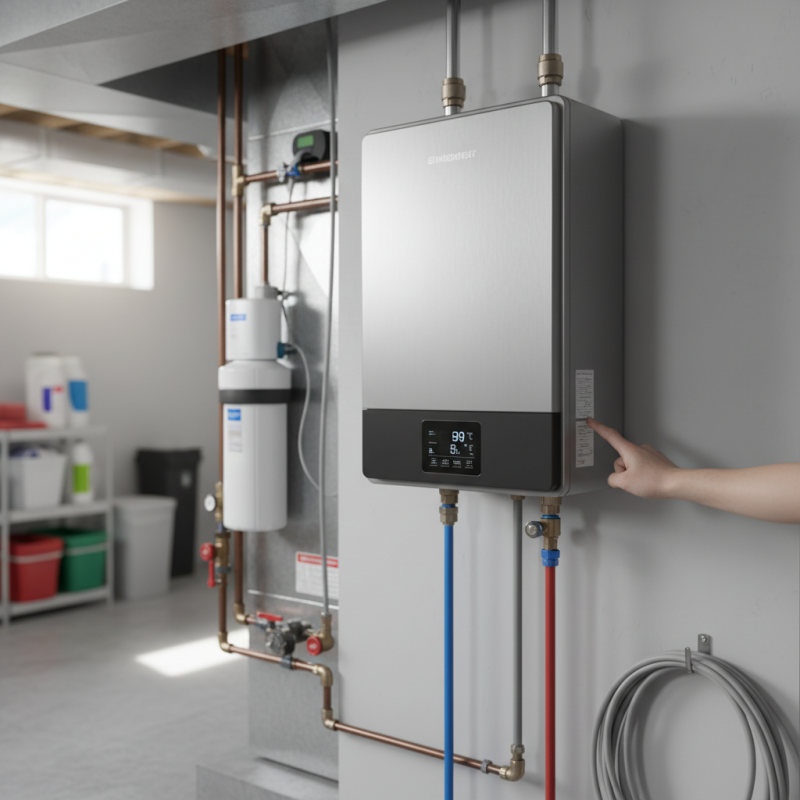
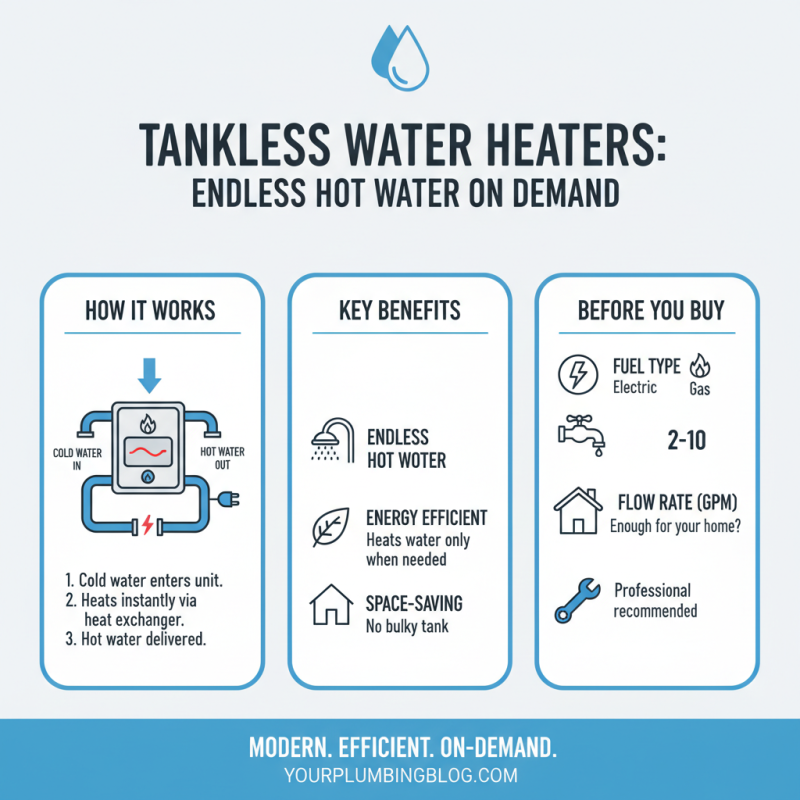
Tankless water heaters offer a modern solution to hot water needs. Unlike traditional systems, they heat water on demand, providing endless hot water. This means no more waiting for a tank to refill. Understanding how they work is crucial before making a purchase.
These units are compact. They can fit in small spaces, freeing up room in your home. However, they may require a higher upfront cost compared to traditional heaters. Homeowners need to consider their specific hot water usage. If your family uses multiple fixtures simultaneously, selecting a unit with adequate flow rate is essential.
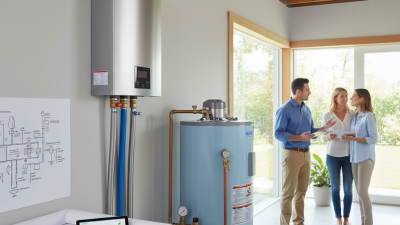
Installation can be trickier than expected. Some homes may require additional gas lines or electrical work. Improper setup can lead to inefficiencies. Research and proper evaluation of your home’s infrastructure can help avoid costly mistakes. It is also important to assess maintenance needs. Regular maintenance ensures long-lasting performance, but it may require time and effort.
Assessing Your Home's Hot Water Needs
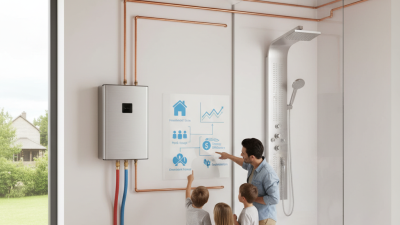
When assessing your home's hot water needs, consider how many fixtures require hot water. Are there multiple bathrooms? Is there a washing machine or dishwasher? Each outlet affects the amount of hot water you need at any given time. Remember, hot water use varies throughout the day.
Tips: List your appliances and fixtures. Note how many use hot water simultaneously. This can help gauge the peak demand in your home. Consider family size, too. More residents often mean higher hot water needs.
It's also wise to think about future changes. Will your family grow? Are you planning to add fixtures? Anticipating these changes can prevent you from choosing an insufficient heater. Evaluate if you need a larger capacity system. Or if you can manage with a smaller option for now.
Tips: Research energy efficiency ratings. They can affect long-term costs. Weigh the potential growth of your household against your current needs. Adjust your choices accordingly to avoid regrets later.
How to Choose the Best Tankless Water Heater for Your Home? - Assessing Your Home's Hot Water Needs
| Dimension |
Details |
| Flow Rate |
Minimal flow for a household is around 2-3 gallons per minute (GPM), higher for larger families. |
| Home Size |
Consider the number of bathrooms and kitchens to determine size; larger homes may require multiple units. |
| Energy Efficiency |
Look for units with high energy factor (EF) ratings, ideally above 0.82 for better efficiency. |
| Ventilation |
Type of venting system required: direct, concentric, or power vent depending on model and installation area. |
| Installation Location |
Indoor or outdoor units available; consider space availability and climate conditions. |
| Warranty |
Most tankless water heaters come with warranties ranging from 5 to 15 years; important for long-term investment. |
Evaluating Energy Efficiency and Performance Ratings
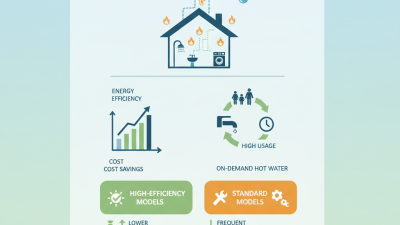
When choosing a tankless water heater, energy efficiency is crucial. Many industry reports highlight that these units can save up to 30% more energy compared to traditional tank heaters. This efficiency often translates to lower utility bills. However, measuring energy efficiency requires understanding the energy factor (EF) rating. The EF indicates how efficiently a heater converts energy into hot water. Look for models with an EF of at least 0.90.
Performance ratings matter too. The GPM (gallons per minute) rating shows how much hot water you can expect. Most households need a minimum of 5-10 GPM for daily tasks. Yet, users often overlook peak demand times. If multiple outlets run simultaneously, the heater may struggle to keep up. It’s important to calculate your home’s hot water needs accurately. Over time, this miscalculation could lead to frustration and discomfort.
Consider the installation location too. Venting options and space constraints can impact performance. A unit placed in a confined area may underperform. Technical guidelines suggest allowing adequate airflow around the heater for optimal function. Buyers often underestimate this, leading to decreased efficiency. Investing time in proper selection can enhance both performance and energy savings in the long run.
Comparing Installation Costs and Maintenance Requirements
When choosing a tankless water heater, installation costs and maintenance are crucial factors. Installation can vary greatly. It might range from simple to complex. Some homes require additional plumbing or electrical modifications. The average installation fee may be higher for homes with old systems. Always factor in local labor rates.
Maintenance is another aspect to consider. Tankless systems usually require less upkeep than traditional heaters. However, regular descaling is essential, especially in hard water areas. Neglect can lead to efficiency drops. It might help to schedule professional maintenance annually. Homeowners should also be prepared for unexpected repairs over time. For those handy with tools, some minor checks could be done to save costs.
Reflecting on long-term efficiency is important. Sometimes, the cheapest option upfront may lead to higher costs later. Investing a bit more initially can pay off with energy savings. Evaluating local water quality will guide you. Each decision impacts the performance of the system in the long run. It's a balance of initial costs and future reliability.
Exploring Different Brands and Models on the Market
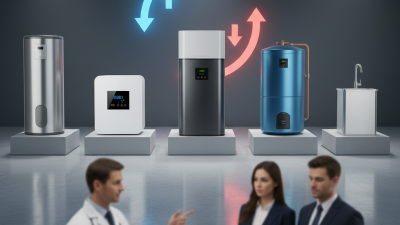
When considering a tankless water heater, it's essential to explore various brands and models available. Each option caters to different needs and preferences. Energy efficiency is a common feature among many units. However, some may not perform well in colder climates. This can lead to inconsistent water temperatures, which may frustrate users.
Another factor to consider is the flow rate. Some models provide a high GPM (gallons per minute) rating, while others may struggle with larger households. It’s important to assess your family’s hot water needs before making a decision. Pay attention to reviews, as real user experiences can reveal hidden flaws.
Don't overlook installation requirements either. Some systems require more complex setups. This can lead to added costs. Simplifying the installation process is often overlooked, but it is crucial for long-term satisfaction. Take the time to weigh your options and identify potential drawbacks before purchasing.