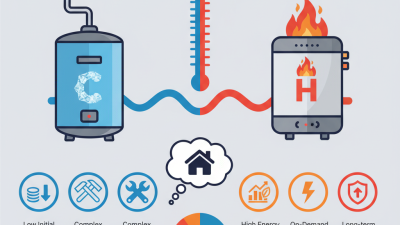
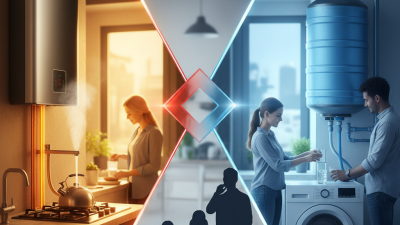
Why Choose Gas Multipoint Water Heater for Your Home?
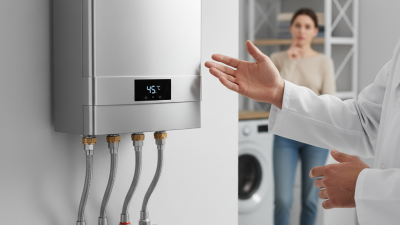
When considering a reliable hot water solution for your home, experts often recommend the Gas Multipoint Water Heater. John Smith, a leading specialist in home heating systems, states, "Gas Multipoint Water Heaters provide instant hot water, ensuring comfort without interruption." This statement underscores the efficiency of these systems in catering to the daily needs of households.
The Gas Multipoint Water Heater stands out due to its ability to supply multiple outlets simultaneously. Imagine taking a relaxing shower while your dishwasher runs—all without sacrificing water temperature or pressure. This efficiency appeals to many homeowners who value both convenience and energy savings.
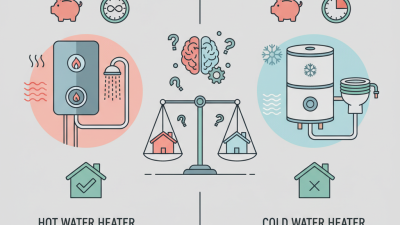
However, selecting the right system requires careful consideration. Not all Gas Multipoint Water Heaters are the same; their performance can vary significantly. Factors such as size, heating capacity, and installation costs can impact overall satisfaction. It's essential to perform thorough research or consult with an expert before committing to a particular model. Balancing cost and reliability can be challenging, prompting homeowners to reflect on their specific needs and preferences.
Advantages of Gas Multipoint Water Heaters Over Other Systems
Gas multipoint water heaters have gained popularity for good reasons. These systems provide hot water on demand, making them convenient for households of all sizes. According to the U.S. Department of Energy, gas water heaters operate with a higher efficiency than electric models. They can reduce energy costs by 30-50%, offering significant savings over time.
One of the standout features is their ability to serve multiple outlets simultaneously. Homes can benefit from a continuous hot water supply for showers, kitchens, and laundry. A report from the HVAC industry notes that families with larger hot water needs see improvements in comfort and utility. However, one must consider the installation complexity. Proper venting and location are crucial, and this may require additional work during installation.
While gas multipoint systems excel, maintenance is key to avoid issues. Annual servicing ensures efficiency and safety. This preventative approach might seem unnecessary, but it guarantees optimal performance. With skilled technicians, potential problems can be caught early, preventing costly repairs. Balancing the reliability of gas heaters with the commitment to upkeep is essential.
How Gas Multipoint Water Heaters Operate for Efficient Water Heating
Gas multipoint water heaters provide an efficient solution for households requiring hot water in multiple locations. These systems heat water on demand, ensuring that it is ready whenever you need it. Unlike traditional water heaters, which store hot water, multipoint heaters minimize energy waste by heating water as needed. This leads to lower utility bills and a smaller carbon footprint.
The operation of a gas multipoint water heater is intuitive. When a tap is turned on, a sensor activates the burner, heating the incoming cold water. It can serve various outlets, such as faucets and showers, providing a continuous supply. However, the efficiency of these systems can vary based on the gas supply and installation quality. Proper installation is crucial to avoid issues like insufficient hot water when demand is high.
While these heaters can be more efficient, maintenance is essential. Regular checks ensure they operate at optimal levels. Sometimes, users may overlook potential issues, leading to decreased performance. Knowing how well your system works can help maintain consistent hot water delivery throughout your home.
Key Features to Consider When Choosing a Gas Multipoint Water Heater
When selecting a gas multipoint water heater for your home, several key features demand careful consideration. First, assess the heating capacity. Many models provide an output between 20 and 30 liters per minute. This range is crucial for households with multiple outlets. A larger capacity means more comfort for simultaneous use. However, potential energy waste arises if the heater is too powerful for your needs.
Energy efficiency stands out as another vital factor. According to industry data, gas water heaters can reduce operational costs by up to 30% compared to electric units. Look for models with a high energy factor (EF) rating. This informs the consumer how much energy is converted into hot water. The efficiency may vary significantly, so researching this statistic is critical.
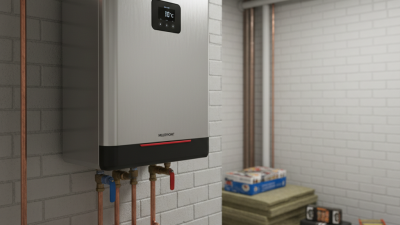
In terms of installation, flexibility plays an essential role. Many gas multipoint heaters are compact and wall-mounted, saving valuable space in smaller homes. However, installation requirements can vary widely depending on local regulations. Understanding these can prevent unexpected costs and delays. It's sensible to consult with a professional to navigate these complexities. Also, review user feedback on reliability, as some models may present challenges over time. Balancing these elements leads to a more informed decision.
Why Choose Gas Multipoint Water Heater for Your Home? - Key Features to Consider When Choosing a Gas Multipoint Water Heater
| Feature |
Description |
Benefits |
| Energy Efficiency |
Uses gas to heat water, which tends to be more efficient than electric heaters. |
Lower energy bills and reduced environmental impact. |
| Instant Hot Water |
Provides an endless supply of hot water as needed. |
No waiting time for hot water; ideal for large families. |
| Compact Design |
Smaller footprint compared to traditional water heaters. |
Saves space in the home and allows for flexible installation. |
| Safety Features |
Equipped with multiple safety mechanisms to prevent gas leaks. |
Increased peace of mind and safety for households. |
| Cost-Effective |
Often lower upfront costs compared to electric models. |
Quick return on investment through energy savings. |
Cost-Effectiveness and Energy Savings of Gas Multipoint Systems
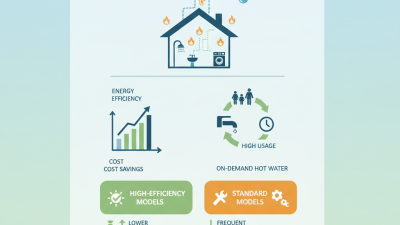
Gas multipoint water heaters offer significant cost-effectiveness compared to traditional systems. According to the U.S. Department of Energy, gas water heaters typically cost 30% less to operate than electric models. This advantage reflects the lower price of natural gas and its efficiency in heating water rapidly. Many homeowners report utility savings after making the switch.
Energy savings also extend to the system's performance. A study by the Energy Innovations program indicated that multipoint heaters provide hot water on demand. This eliminates the need for storing large volumes of water, reducing energy waste. For instance, systems designed to heat water only when needed can save an average of 500 gallons of water annually.
However, installation costs can vary. Some systems require professional installation, which can raise initial expenses. Users must consider long-term savings versus upfront costs. Reflection on energy needs is crucial. The right system can lead to substantial savings and improved efficiency, but all homes are different. Analyzing specific requirements will yield the best outcomes. Proper research and consultation can pave the way for informed decisions on gas multipoint systems.
Cost-Effectiveness and Energy Savings of Gas Multipoint Water Heaters
Maintenance Tips for Ensuring Longevity of Your Gas Water Heater
Maintaining your gas multipoint water heater is crucial for its efficiency and lifespan. Regular maintenance prevents costly repairs and ensures a steady supply of hot water. Begin by checking the pressure relief valve. Water should flow freely. If it’s stuck, it might not release excess pressure, leading to potential hazards.
Flushing the tank is another vital step. Sediment buildup can affect heating efficiency. Drain a few gallons of water every six months to clear out debris. This simple task can extend the life of your unit significantly. Replace the anode rod every few years. It helps prevent corrosion inside the tank. Not all homeowners realize this, but neglecting it can result in leaks.
Keep an eye out for any unusual noises. Some sounds could indicate sediment buildup or mechanical issues. Addressing such noises early can save you from larger problems down the line. Regularly inspect all connections and fittings. Look for signs of leaks or corrosion. Small issues can quickly escalate if ignored.