Why Choose an Indoor Water Heater for Your Home?
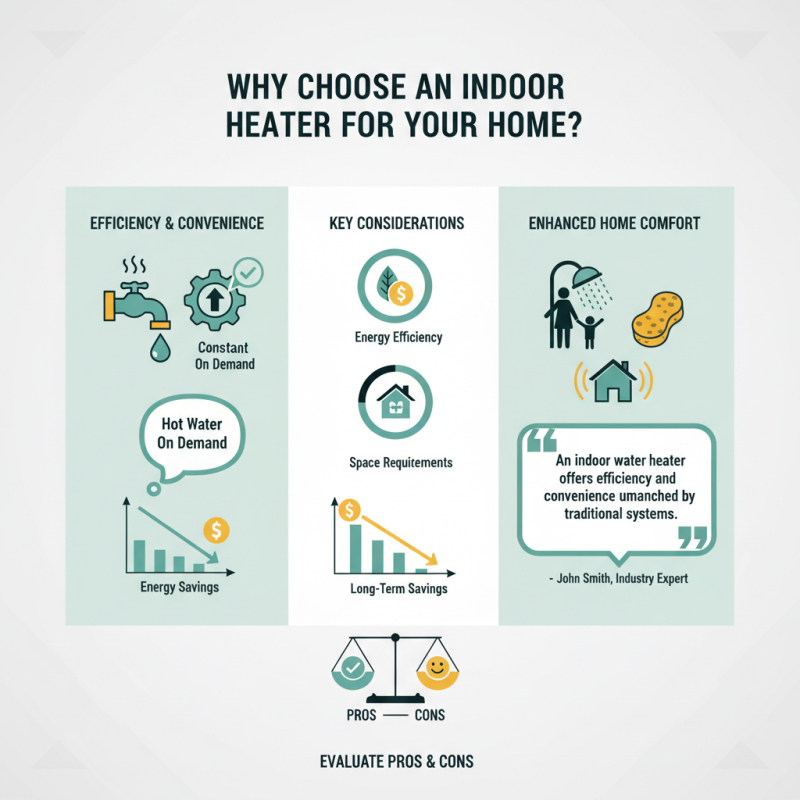
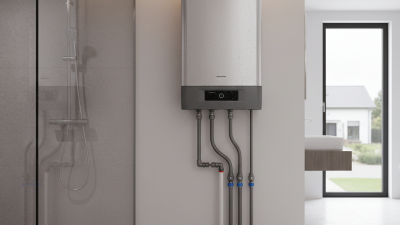
Choosing an indoor water heater can significantly enhance your home's comfort. As John Smith, an industry expert in home heating solutions, states, “An indoor water heater offers efficiency and convenience unmatched by traditional systems.” Homeowners often overlook the benefits of these systems.
An indoor water heater provides constant hot water for daily needs, like bathing and cleaning. Many families enjoy the luxury of hot water on demand. However, selecting the right unit can seem overwhelming. It’s essential to consider energy efficiency, space requirements, and installation costs.
Some may hesitate to switch due to concerns about the upfront investment. It's important to reflect on long-term savings in energy bills. Additionally, these heaters often require less maintenance than others. As with any home upgrade, evaluating the pros and cons is key. An indoor water heater could improve your home's functionality and comfort.
Benefits of Indoor Water Heaters Over Outdoor Models
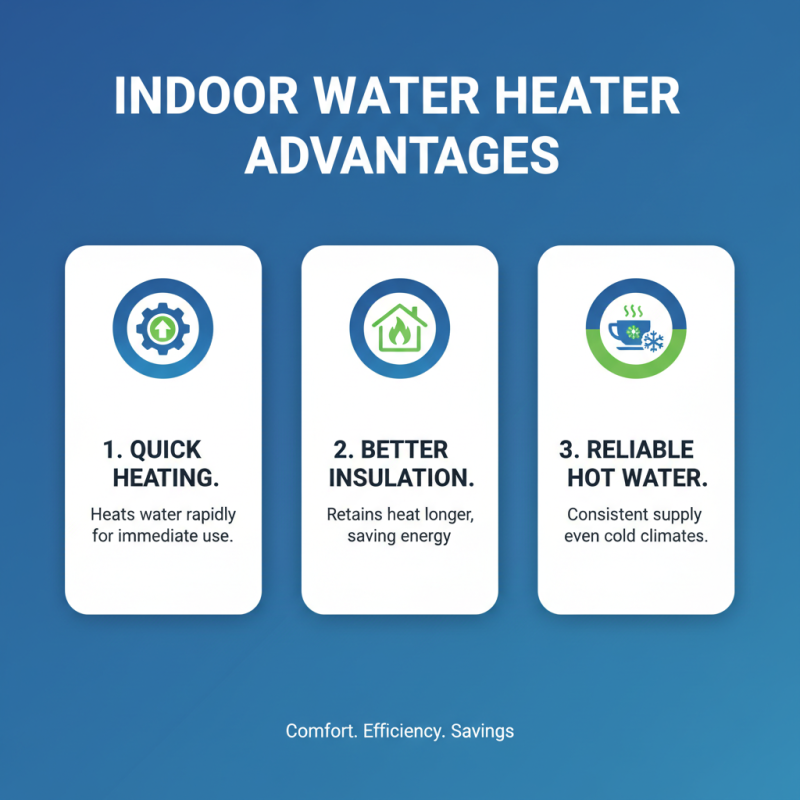
Indoor water heaters offer several advantages over outdoor models, making them a popular choice for many households. One primary benefit is their efficiency in heating water quickly. Indoor units are typically better insulated. This means they maintain temperature longer, saving energy. You can enjoy hot water at all times, even in cold weather, which is not always possible with outdoor heaters.
Another compelling reason to choose an indoor model is space utilization. Indoor water heaters can fit into small spaces, unlike larger outdoor versions. They can be tucked away in closets or utility rooms, freeing up outdoor areas for other uses. This is especially valuable for homes with limited yard space.
However, it’s worth considering the installation process. Indoor heaters might require additional venting or modifications to existing plumbing. This can be time-consuming and could lead to unexpected costs. Some homeowners report needing more maintenance due to accessibility issues. Balancing these factors is essential for a successful purchase decision.
Energy Efficiency Ratings of Indoor Water Heaters Explored
Indoor water heaters are gaining popularity for many reasons. One of the most significant factors is their energy efficiency ratings. These ratings provide a clear understanding of how much energy a unit can save annually. Choosing a model with a higher efficiency rating can lead to considerable savings on energy bills. For many families, this impact can translate into hundreds of dollars saved each year.
When exploring options, consider the different types of indoor water heaters. Tankless models often have higher energy efficiency ratings. They heat water on demand, eliminating the need for a storage tank. However, they're not perfect for every home. They may not provide enough hot water during peak usage times. This limitation can lead to cold showers, especially if the household demands are high.
It's essential to assess specific household needs. Sometimes, a traditional tank heater may be more practical despite its lower efficiency rating. A careful evaluation will ensure you choose the best fit for your home. Ask questions. Understand what's available. After all, an informed decision leads to better long-term satisfaction.
Why Choose an Indoor Water Heater for Your Home? - Energy Efficiency Ratings of Indoor Water Heaters Explored
| Type of Water Heater |
Energy Efficiency Rating (EF) |
Estimated Annual Energy Cost (USD) |
Capacity (Gallons) |
Recovery Rate (Gallons per hour) |
| Electric Water Heater |
0.90 |
$450 |
50 |
20 |
| Gas Water Heater |
0.65 |
$500 |
40 |
30 |
| Tankless Water Heater |
0.98 |
$350 |
On demand |
10 |
| Heat Pump Water Heater |
2.0 |
$250 |
80 |
40 |
| Solar Water Heater |
1.50 |
$200 |
100 |
50 |
Cost Analysis: Initial Investment vs. Long-Term Savings
Indoor water heaters are becoming popular choices for many homeowners. They offer convenience and efficiency. However, the initial investment can be daunting. The cost of purchasing and installing a heater requires careful consideration. Depending on the model, expenses vary widely. Some might pay a few hundred dollars, while others face a few thousand. This upfront cost can deter potential buyers.
Yet, looking beyond the initial purchase is crucial. Indoor water heaters often lead to significant long-term savings. They generally use energy more efficiently than traditional models. As a result, monthly utility bills could drop significantly over time. Families might notice this difference within a few months. Regular maintenance can extend the life of these units, providing further savings.
However, it’s important to reflect on the decision. An impulsive purchase might lead to regret if the heater does not meet expectations. The balance of cost versus savings should be examined closely. Are you ready for the commitment? Make sure to weigh the benefits against your household usage.
Cost Analysis of Indoor Water Heaters: Initial Investment vs. Long-Term Savings
This chart analyzes the cost of different types of indoor water heaters, comparing their initial investment, annual operating costs, and estimated lifespan. The data showcases that while heat pump heaters require a higher initial investment, they offer lower annual operating costs and a longer lifespan, leading to potential savings in the long term.
Space Considerations: Fit and Placement for Indoor Water Heaters
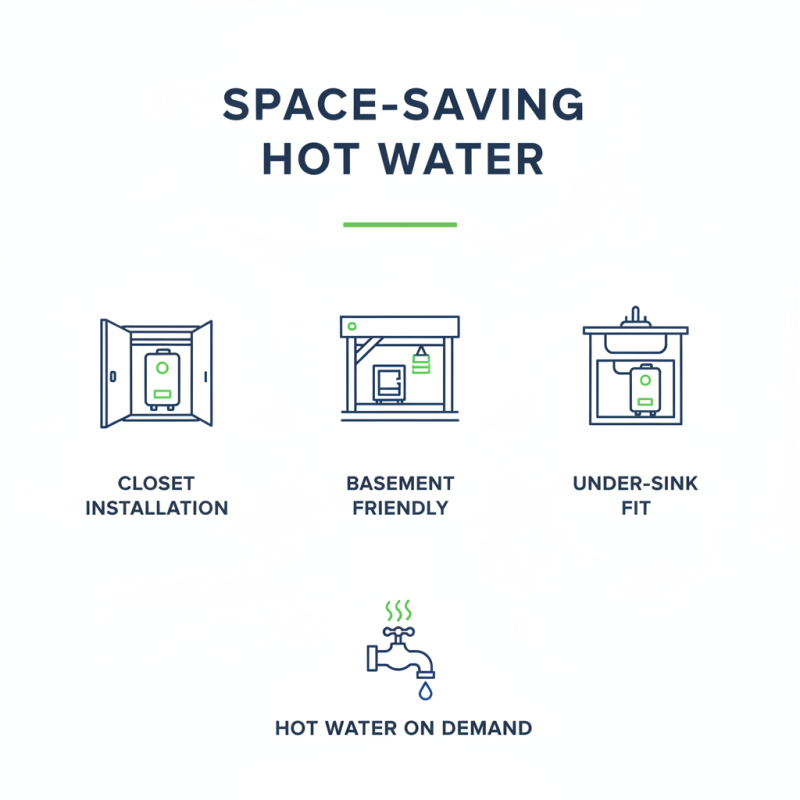
When considering an indoor water heater, space plays a significant role. These units often come in compact sizes, making them suitable for various settings. They can fit into closets, basements, or under sinks without taking up too much room. A well-placed water heater can ensure that you maximize available space while still enjoying hot water on demand.
However, placement is crucial. An improper installation can lead to potential issues. For example, heat loss could occur if the heater is not placed in a well-insulated area. Moreover, accessibility is critical for maintenance. A unit tucked away in a hard-to-reach spot can be a hassle during repairs. It's important to weigh both aesthetics and functionality when deciding where to place your heater.
While the idea of saving space is appealing, indoor water heaters are not without their challenges. You may need to evaluate your water needs carefully to choose the right size. Oversized units can consume energy unnecessarily. Alternatively, undersized units might not meet your hot water demands. This could lead to frustration during busy times, like showers or laundry. Balancing your needs with space constraints requires thoughtful consideration.
Safety Features in Indoor Water Heating Systems: What to Know
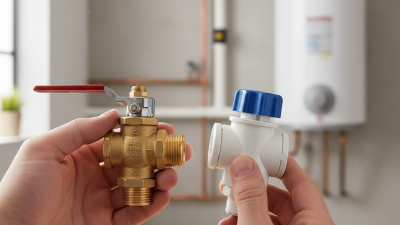
Indoor water heating systems offer several safety features that enhance their appeal for homeowners. Key among these is the installation of temperature and pressure relief valves. These valves are crucial in preventing overheating, which accounts for a significant percentage of residential water heater failures. According to reports, nearly 90% of home water heater accidents stem from pressure build-up. Properly equipped systems can significantly reduce these risks.
Electric indoor heaters often come with advanced safety mechanisms. Many include built-in leak detection systems. These systems can alert homeowners to potential leaks before they escalate into major issues. Research indicates that indoor systems with such features can prevent costly water damage and could save homeowners thousands over time. However, not all models prioritize these features, leaving gaps that require careful consideration.
Regular maintenance is vital for ensuring these safety features function properly. Some homeowners overlook this aspect, which can lead to hazardous situations. It’s essential to inspect the system regularly. The National Fire Protection Association (NFPA) estimates that nearly 40% of water heater-related incidents could be avoided with routine checks and servicing. Choosing a system with comprehensive safety features is wise, but it’s equally important to commit to ongoing maintenance.