How to Choose the Right Gas Water Heater for Your Home?
Choosing the right Gas Water Heater for your home can be daunting. A study by the U.S. Department of Energy reveals that water heating accounts for about 18% of energy use in homes. This makes the choice of a gas water heater critical for energy efficiency and cost savings.
Various options exist on the market. Traditional tank models are prevalent, but tankless versions offer convenience and space-saving benefits. Studies indicate that tankless heaters can be up to 34% more efficient than conventional models. This can lead to significant annual savings, appealing to many homeowners.
However, selection involves more than just efficiency. Consider installation costs, maintenance, and water demand. Underestimating these factors often leads to frustration. A well-chosen gas water heater should meet your family's needs while aligning with your budget.
Understanding Your Hot Water Needs
When choosing a gas water heater, understanding your hot water needs is crucial. Start by evaluating how many people live in your home. A small family may require less water than a larger household. Think about your daily usage. Showers, washing dishes, and laundry all consume hot water. This assessment will help narrow down your options.
Consider turning to the capacity of the heater you need. Common sizes range from 30 to 50 gallons. If you frequently run multiple appliances simultaneously, lean towards a larger capacity. Conversely, if your needs are modest, a smaller unit may suffice.
Tips: Assess peak usage times when everyone showers or does laundry. A tankless water heater could be ideal if your demand is sporadic. Also, think about energy efficiency. High-efficiency models may cost more upfront but could save you money over time.
Lastly, reflect on installation space. Ensure the area can accommodate your choice. Keep in mind factors such as ventilation and accessibility for maintenance. Balancing these details will guide you toward a suitable gas water heater.
Types of Gas Water Heaters Available
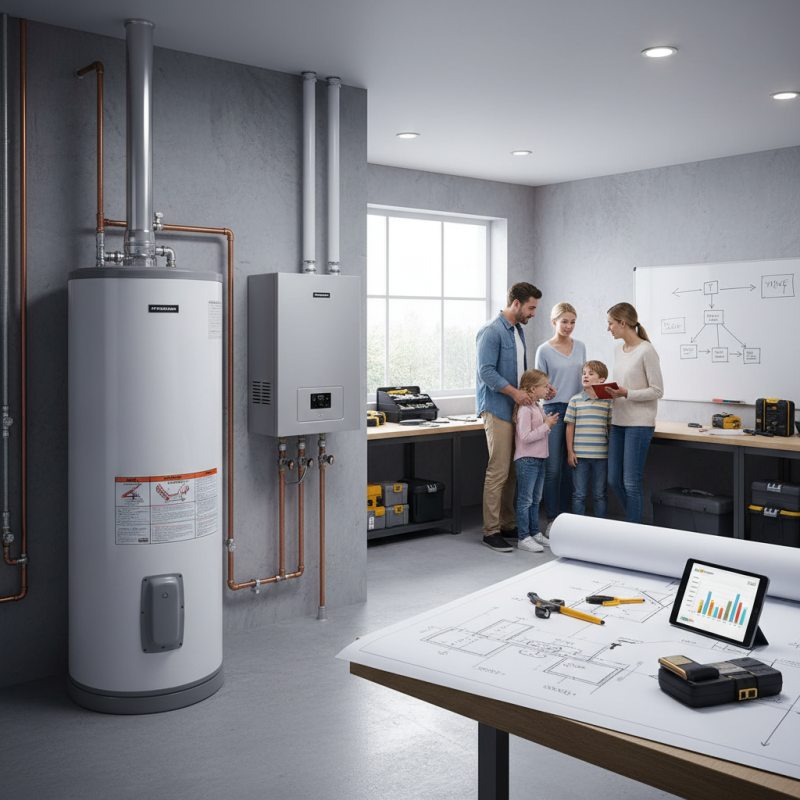
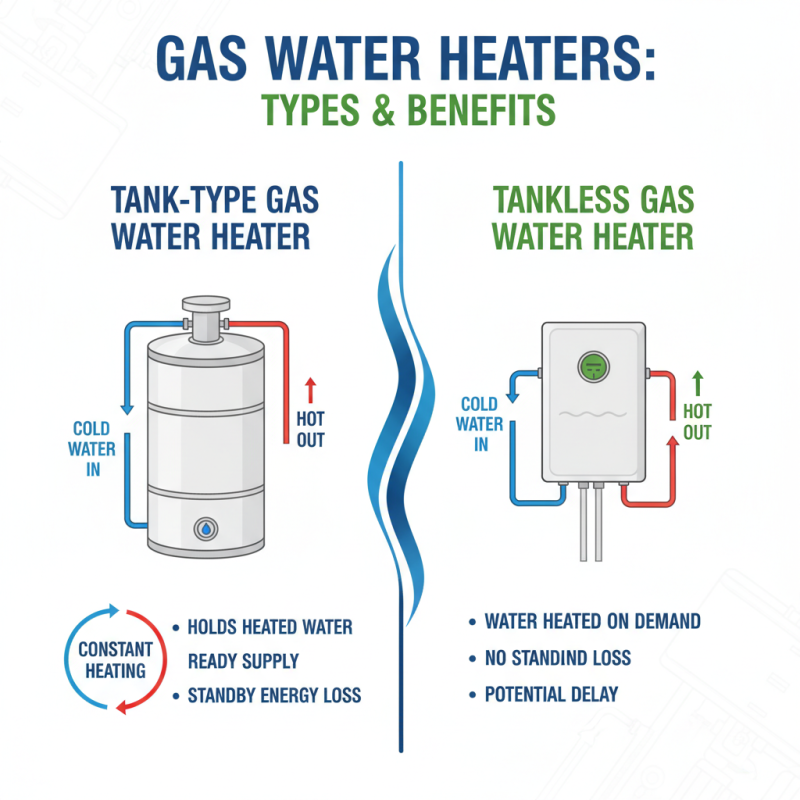
When choosing a gas water heater, understanding the types available is crucial. There are mainly two types: tankless and storage water heaters. Tank-type heaters hold a certain amount of water. They continuously heat this water for use. On the other hand, tankless models heat water on demand. This means no standby energy loss, but you may experience delays in hot water supply.
Here are some tips for deciding which type suits your home. Think about your household size. If you have a large family, storage heaters might be more efficient. They deliver a steady supply of hot water. However, if your family is smaller, consider the tankless option. It's space-saving and can reduce energy costs in the long run.
It’s also important to evaluate your usage. A tank heater might not keep up during simultaneous showers. A sudden drop in temperature can be frustrating. Alternatively, tankless water heaters might struggle if demand is high. Always weigh these factors carefully before making a choice.
Key Features to Consider When Choosing
Choosing the right gas water heater involves several key features. First, consider the tank size. A larger tank may seem better, but too much capacity can waste energy. Think about how many gallons you need based on your daily usage. Also, evaluate your space. Not every home can accommodate a big heater.
Next, look into the energy efficiency rating. High efficiency can save money in the long run. However, sometimes these models come with a higher upfront cost. A balance is necessary. Ensure that the heater meets your hot water demands without sacrificing efficiency.
Don’t overlook safety features. Automatic shut-off valves and flame arrestors can prevent accidents. These small details can make a big difference in your home’s safety. You might find it overwhelming, but take your time and do thorough research. It’s essential to feel confident in your decision before making a purchase.
Gas Water Heater Efficiency Ratings
This bar chart displays the number of gas water heater models available across various efficiency ratings. Higher efficiency ratings typically indicate better energy savings for consumers, making them a crucial factor to consider when choosing a gas water heater for your home.
Energy Efficiency Ratings and Costs
When selecting a gas water heater, energy efficiency ratings are crucial. These ratings indicate how effectively a unit converts gas into hot water. Look for units with high Energy Factor (EF) ratings. A higher EF means lower utility bills. It might feel tempting to compromise on costs for features, but think twice. Some features may not deliver better efficiency, impacting your long-term savings.
Consider the initial costs versus operational costs. A less expensive unit may save you money upfront but could lead to higher bills later. Analyze the expected lifespan and the estimated annual operating costs. Sometimes, investing a bit more initially can yield savings down the road. Pay attention to the fuel type. Natural gas often has lower prices compared to propane, but availability might differ depending on your location.
Lastly, don't overlook the installation costs. Professional installation can add significant expenses. If you're handy, you might consider DIY options, but do your research. Improper installation can lead to inefficiencies. Ensure that all safety measures are in place to avoid costly repairs later. By carefully weighing energy efficiency against costs, you can make a more informed choice that suits your home’s needs.
How to Choose the Right Gas Water Heater for Your Home? - Energy Efficiency Ratings and Costs
| Model |
Energy Efficiency Rating (EF) |
First-Hour Rating (FHR) in Gallons |
Annual Operating Cost ($) |
Estimated Lifetime (Years) |
| Compact Model |
0.67 |
50 |
$300 |
10-12 |
| Standard Model |
0.70 |
75 |
$350 |
12-15 |
| High-Efficiency Model |
0.82 |
90 |
$250 |
15-20 |
| Premium Model |
0.90 |
100 |
$200 |
20+ |
Installation and Maintenance Considerations
When installing a gas water heater, consider
ventilation requirements
carefully. Proper airflow is crucial for efficiency and safety. Ensure the space around the heater is free from
obstruction. Gas water heaters produce carbon monoxide,
so venting is essential to avoid toxic buildup.
Maintenance is another important aspect. Regularly
check for leaks, rust, and sediment buildup. Sediment can
affect efficiency and reduce the lifespan of the heater.
Flushing the tank annually can help maintain optimal performance.
If you notice strange noises, it could indicate a problem. Don't ignore these signs.
Investigate them sooner rather than later. Neglecting maintenance often leads to costly repairs
down the line. Keeping a log of service dates can help in tracking the heater's performance.