How to Choose the Best Hot Water Heater for Your Needs?
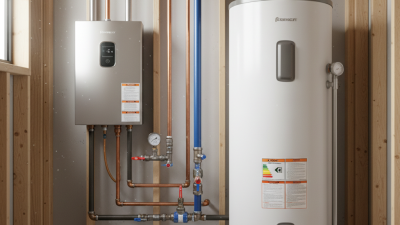
Choosing the right hot water heater is essential for any household. According to the U.S. Department of Energy, water heating accounts for about 18% of the energy consumed in American homes. This makes selecting an efficient hot water heater crucial for both comfort and utility costs. With various types available, from tankless solutions to traditional tanks, each option offers unique benefits.
In a recent report from the Energy Information Administration, nearly 60% of American homes use either gas or electric water heaters. Understanding your household's hot water needs can guide you in selecting an appropriate model. It’s vital to consider factors such as capacity, energy efficiency, and installation requirements.
However, making a decision can be daunting. Many homeowners feel overwhelmed by the options. It's important to reflect on your water usage patterns and long-term goals. A high-efficiency hot water heater may have a higher upfront cost, but it often pays off with reduced energy bills over time. Balancing initial investment with future savings requires careful thought.
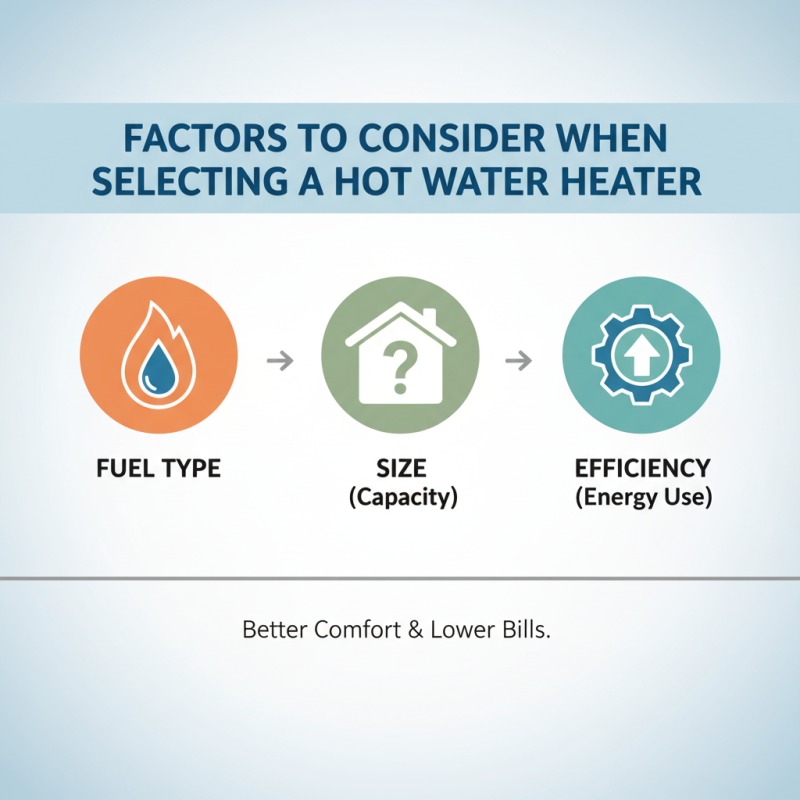
Factors to Consider When Selecting a Hot Water Heater
Choosing the right hot water heater is crucial for your home. Several factors influence your decision, including fuel type, size, and efficiency. Understanding these elements can lead to better comfort and lower bills.
The fuel source is a primary consideration. Gas, electric, and solar options all have unique benefits and drawbacks. Gas heaters often heat water faster and are less expensive to operate. However, they may not be ideal for every home. Electric models are easier to install but can be costlier over time. Solar water heaters require initial investment and adequate sunshine, making them suitable for specific climates.
Sizing is another important factor. A heater too small cannot meet demand, while one that’s too large wastes energy. Calculate your household's needs based on usage patterns. Look at peak times for showers and laundry. Efficiency ratings also matter; models with higher ratings typically save money and energy in the long run. Yet, the upfront cost might be a challenge for some homeowners.
Types of Hot Water Heaters: Pros and Cons
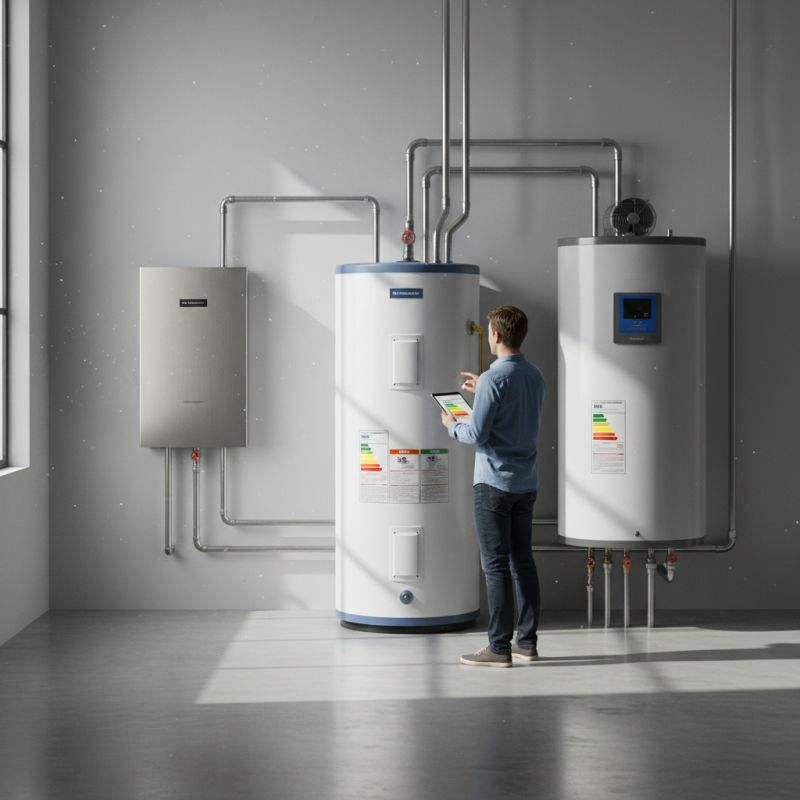
When selecting a hot water heater, understanding the types available is crucial. Tankless water heaters, for example, heat water on demand. They take up less space but might not serve multiple outlets simultaneously. According to the U.S. Department of Energy, these systems can save 30% on energy costs.
Storage tank heaters are the most common. They store hot water in a reservoir. They can deliver hot water quickly, but they are less energy-efficient. The energy consumption is significant, especially if the tank is large. In fact, the average storage tank heater operates at around 58%-60% efficiency.
Heat pump water heaters use electricity to transfer heat instead of generating it. They can be two to three times more efficient than traditional heaters. However, these units require specific conditions to function optimally, such as adequate space and temperature. If not properly installed, their efficiency can decline significantly. Evaluating your household's needs and energy usage trends is vital for making the right choice.
Energy Efficiency Ratings and Their Importance
Choosing the right hot water heater involves understanding energy efficiency ratings. Energy efficiency is critical in reducing utility bills and environmental impact. According to the U.S. Department of Energy, water heating accounts for about 18% of a home’s energy use. Thus, selecting a model with a high energy efficiency rating can lead to substantial savings.
Energy efficiency ratings are often expressed using the Energy Factor (EF) or the more recent Uniform Energy Factor (UEF). These metrics indicate how much hot water a heater can produce for each unit of fuel consumed. A higher UEF means better efficiency. For instance, a water heater with a UEF of 0.9 is more efficient than one with a UEF of 0.6. However, efficiency is not the only factor to consider. The cost of installation, maintenance needs, and the specific hot water requirements of your household are equally important.
Consider that while high-efficiency models can save money, they may come with higher upfront costs. Additionally, the technology behind these systems can change rapidly, making it challenging to choose wisely. Industry reports show that, on average, efficient water heaters can reduce costs by over $300 annually compared to less efficient models. This highlights the clear economic advantage but also reminds us to think critically about our choices.
How to Choose the Best Hot Water Heater for Your Needs? - Energy Efficiency Ratings and Their Importance
| Heater Type |
Energy Efficiency Rating (EFR) |
Annual Energy Cost ($) |
First Hour Rating (FHR) (Gallons) |
Warranty (Years) |
| Electric Tank |
0.95 |
$450 |
50 |
6 |
| Gas Tank |
0.75 |
$700 |
70 |
12 |
| Heat Pump |
3.00 |
$250 |
60 |
10 |
| Tankless Gas |
0.82 |
$600 |
Unlimited |
15 |
Sizing Your Hot Water Heater for Optimal Performance
When sizing your hot water heater, several factors come into play. The average household needs about 10 to 15 gallons of hot water per person daily. This figure can vary based on usage patterns. A family of four may require between 40 to 60 gallons of water daily, depending on their lifestyle. According to industry reports, a properly sized unit can significantly enhance energy efficiency, reducing costs up to 20%.
Consider the peak demand for hot water. This is the maximum amount of hot water your household uses at one time. A common mistake is underestimating this demand. Insufficient hot water can lead to frustration and inefficiencies. If your household uses multiple showers and appliances simultaneously, you need to adjust your heater's size accordingly.
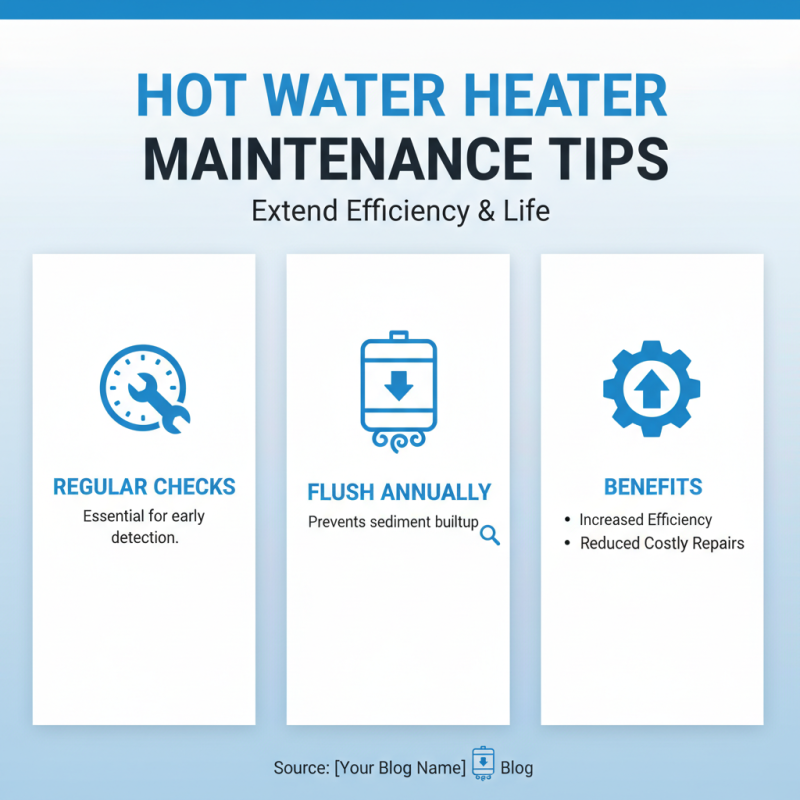
Tips: Always calculate your daily hot water needs before purchasing. Don't forget to account for new appliances or changes in family size. A larger unit may seem like a better choice, but over-sizing can lead to wasted energy. Regular maintenance can also help a properly sized heater last longer, maximizing your investment.
Water Heater Size Comparison Based on Family Size