How to Choose the Best Indoor Water Heater for Your Home?
Choosing the best indoor water heater for your home can be challenging. With various types and features available, making the right choice requires careful consideration. An effective indoor water heater ensures comfort, energy efficiency, and reliability.
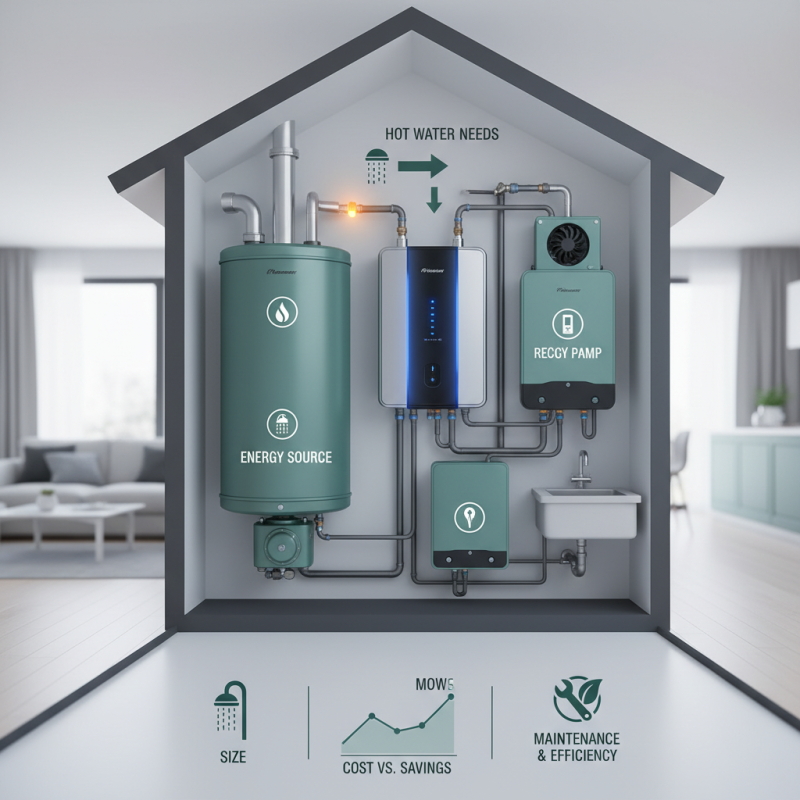
One must factor in size, energy source, and recovery rate. A larger household typically needs a higher capacity heater. There’s often a trade-off between initial cost and long-term savings. Many overlook the long-term maintenance and efficiency when selecting their unit. Some indoor water heaters promise lower energy bills, yet require substantial installation costs. It’s crucial to evaluate brands and user reviews to make informed choices.
Understanding your home’s specific hot water needs can illuminate your path toward an optimal selection. While choices can seem overwhelming, paying attention to details can prevent future hassle. Your indoor water heater choice should align with your lifestyle and budget. Remember, not every model fits all situations; personal needs vary significantly.
Factors to Consider When Choosing an Indoor Water Heater
When choosing the right indoor water heater, several factors play a crucial role. First, consider the size of your home and the demand for hot water. Larger households often require a higher capacity unit. It’s important to assess household needs accurately. Hot water usage can vary significantly from one family to another.
Energy efficiency is another vital factor. An energy-efficient model can save you money in the long run. Look for heaters with high efficiency ratings. You want a unit that provides sufficient hot water while minimizing energy costs. Sometimes, less efficient models are tempting, but they can lead to higher bills and wasted energy.
Tips: Think about insulation. A well-insulated water heater maintains temperature better. Also, consider the installation location. It should allow easy access for maintenance while ensuring safety.
Lastly, review the warranty. A longer warranty often indicates better quality. Manufacturers should stand behind their products. Researching user reviews can also reveal potential issues. This knowledge aids in making a more informed decision. As with any purchase, reflection on your specific needs is essential for the best choice.
How to Choose the Best Indoor Water Heater for Your Home?
| Factor |
Description |
Importance |
| Type of Heater |
Options include tankless, storage, and solar water heaters. |
High |
| Energy Efficiency |
Look for heaters with a high Energy Factor (EF). |
Very High |
| Capacity |
Determine the amount of hot water needed during peak usage. |
High |
| Installation Space |
Consider the available space for installation. |
Medium |
| Cost |
Evaluate upfront cost versus long-term savings in energy bills. |
High |
| Warranty |
Check warranty coverage for parts and service. |
Medium |
| Brand Reputation |
Research customer reviews and ratings. |
High |
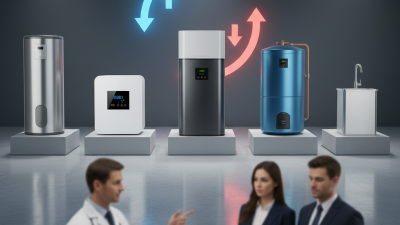
Types of Indoor Water Heaters: Tank vs. Tankless Options
When selecting an indoor water heater, it's important to know the two main options: tank and tankless.
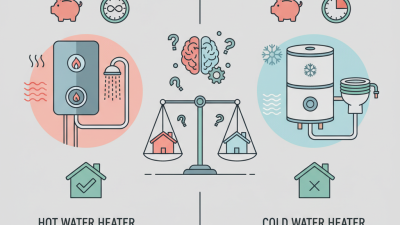
Tank water heaters store hot water in a large tank. They can be ideal for households with high, consistent hot water demands. However, they need time to refill when empty. This can lead to a pause in hot water supply, which some homeowners find inconvenient.
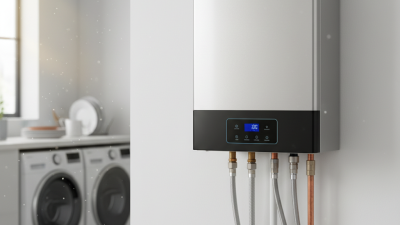
Tankless water heaters, on the other hand, heat water on demand. They provide hot water instantly and continuously, which can be a major plus. However, they may struggle with multiple simultaneous demands, like running showers and dishwashers at the same time.
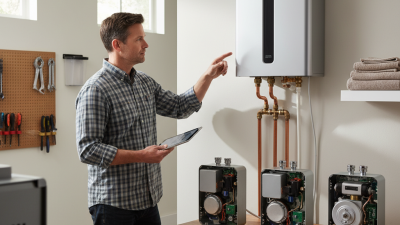
It’s also vital to consider the installation requirements and available space. Tankless models can be more compact, but they may require upgrades to your existing plumbing or electrical systems.
Both types have their pros and cons. Tank units often have a lower initial cost but may lead to higher energy bills over time. Tankless units can be more efficient but come with a steeper upfront investment.
Consider your household's unique needs when deciding. A water heater is a significant investment, and it’s wise to weigh the long-term benefits against immediate costs.
Energy Efficiency Ratings and Their Importance in Water Heaters
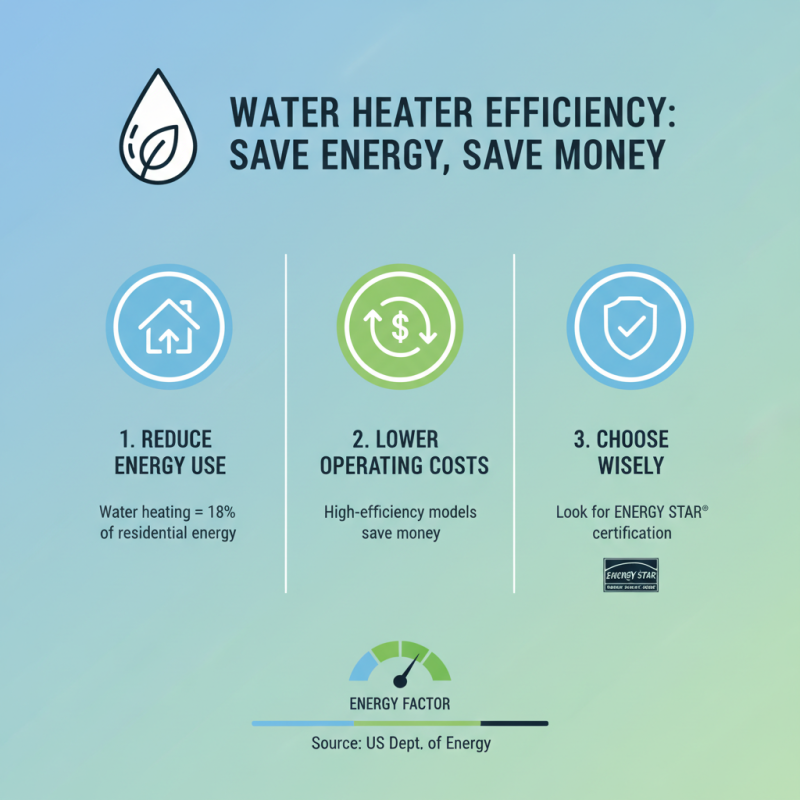
Choosing the right indoor water heater requires careful consideration of energy efficiency ratings. These ratings can significantly affect energy consumption and operational costs. According to the U.S. Department of Energy, water heating accounts for nearly 18% of residential energy use. Selecting a high-efficiency model can save homeowners money on utility bills.
Energy efficiency ratings, such as the Energy Factor (EF) or Energy Star certification, provide crucial insights into performance. An EF rating higher than 0.90 indicates a more efficient unit. However, many consumers overlook these figures, leading to less-informed choices. It's essential to understand the implications of low-efficiency models. These can consume up to 50% more energy than their efficient counterparts, resulting in higher bills.
Real-world data shows that upgrading to an efficient water heater can lead to savings of approximately $300 annually. This is a tangible benefit, yet many people still prioritize upfront costs over long-term savings. Striking a balance between initial investment and future savings can be challenging but necessary. When evaluating options, homeowners should weigh both immediate needs and long-term costs carefully.
Sizing Your Indoor Water Heater: How to Calculate Required Capacity
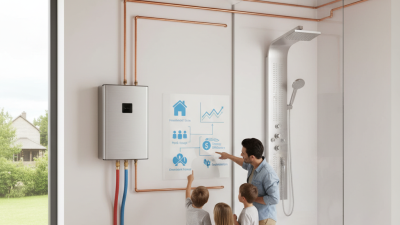
When choosing an indoor water heater, proper sizing is crucial. Start by estimating your household's peak hot water demand. Consider factors like the number of faucets and showers in your home. For example, a family of four may need a heater with a capacity of at least 40 to 50 gallons. It is essential to calculate specific needs accurately.
Next, determine if your home has multiple outlets that run simultaneously. If so, your water heater should accommodate those peak usage times. Also, find out the temperature rise required for your area. This varies depending on ground temperature and desired output. While a larger capacity may seem appealing, it could lead to higher energy costs if not matched to your needs.
Be wary of common misconceptions in sizing. Many homeowners underestimate the importance of flow rates. Choosing a heater that is too small can result in cold showers during peak usage. Conversely, an oversized unit wastes energy and may not heat water efficiently. Always tap into reliable resources for your calculations or seek professional advice if unsure.
Understanding these factors will help in selecting the best water heater for your home.
Cost Analysis: Upfront Costs versus Long-Term Savings
When considering an indoor water heater, upfront costs can be misleading. Many homeowners see an attractive price tag and decide quickly. However, they often overlook operational expenses. A study by the U.S. Department of Energy found that water heating accounts for about 18% of a home's energy use. This means the initial savings may lead to higher costs over time.
For instance, electric water heaters typically cost less upfront than gas models. Yet, electric heaters often result in higher monthly bills. A report from the Energy Information Administration indicates that gas water heaters can be 30% more efficient than their electric counterparts. Over a 10-year period, that difference in efficiency could translate into savings of over $1,000.
A common pitfall arises from not calculating longevity and service life. Quality electric water heaters can last around 10-15 years. In contrast, gas heaters may last 15-20 years with proper care. Weighing the initial investment against long-term savings is crucial. Failing to do so can lead to regret when the utility bills and replacement costs start to pile up.