10 Essential Tips for Choosing a Gas Water Heater for Your Home?
When choosing a gas water heater for your home, expert insights matter. Mark Johnson, a leading energy efficiency consultant, states, "Selecting the right gas water heater can save you both money and energy." With advancements in technology, homeowners face a myriad of options. The right choice can enhance comfort and reduce utility bills.
Gas water heaters vary in size, efficiency, and features. You should consider the capacity that fits your household needs. For example, a larger family may require a higher capacity model. Many homeowners overlook this, leading to insufficient hot water supply.
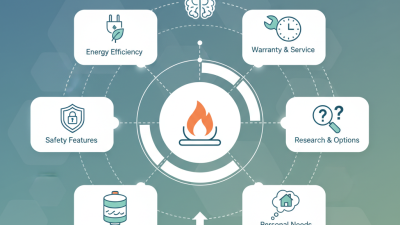
Quality and efficiency ratings are essential factors. Investing in a certified product ensures reliability and safety. Always check for warranties and service options to avoid future regrets. As you navigate this process, reflect on your unique preferences and requirements. The best gas water heater is one that aligns with your lifestyle.
Understanding the Different Types of Gas Water Heaters Available
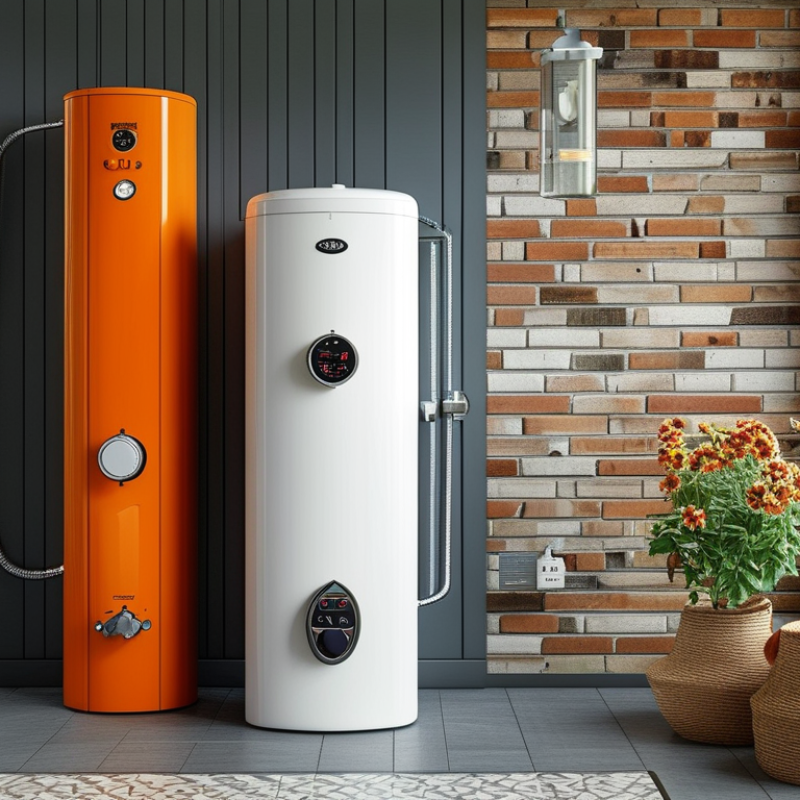
When selecting a gas water heater for your home, understanding the types available is essential. There are mainly three types: tank, tankless, and heat pump water heaters.
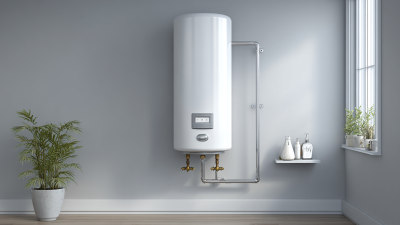
Tank models store hot water in a large tank. This can be convenient for homes with high hot water demands but may lead to energy waste when keeping water heated continuously.
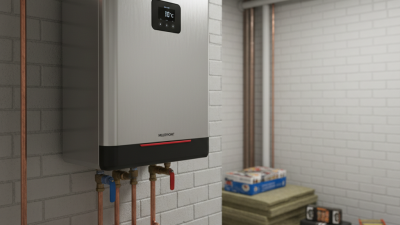
Tankless water heaters heat water on demand. They save space and energy since they only activate when you turn on the faucet. However, they may struggle to meet multiple hot water needs simultaneously. It’s crucial to consider your household's water usage patterns when making this decision. Heat pump water heaters are another option, using electricity to move heat instead of generating it. They are highly efficient but require specific installation considerations.
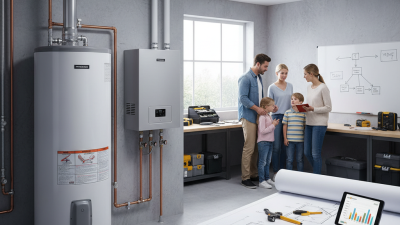
In assessing these types, reflect on your home's needs and your budget. A less popular model might offer features better suited to your usage but lacks the widespread familiarity of tank models. Don’t hesitate to consult with a knowledgeable plumber or technician to get tailored advice. Conducting thorough research will empower your choice, ensuring it aligns with your requirements and lifestyle.
Assessing the Size and Capacity Requirements for Your Household Needs
Choosing the right gas water heater involves understanding your household's size and capacity needs. Start by assessing how many people live in your home. A larger family typically requires a unit with greater capacity. For instance, a home with four or more people might need a heater that delivers at least 65 gallons of hot water.
Consider your peak usage times too. If everyone showers in the morning, a high-capacity water heater can prevent cold surprises. Think about your lifestyle. Do you often run multiple appliances simultaneously? This contributes to your overall hot water demand.
It’s vital to match your heater's capacity with your actual needs. Misjudging the required capacity can lead to issues. A unit that’s too small will struggle to keep up. A unit that's too large can waste energy, leading to higher bills. Therefore, careful calculations are necessary. Take your time to measure and plan.
Reflection on these aspects ensures you make an informed decision.
Evaluating Energy Efficiency Ratings and Their Impact on Energy Costs
When choosing a gas water heater, understanding energy efficiency ratings is crucial. These ratings reflect how effectively a heater converts fuel into hot water. A higher energy factor (EF) typically indicates greater efficiency, leading to lower energy costs over time. An efficient model may cost more upfront but can save money in the long run. Evaluating these factors can prevent unexpected expenses.
Consider different energy efficiency technologies available today. Some models offer advanced features like electronic ignition and insulation. This can significantly enhance performance and efficiency. Look at annual operating costs, not just purchase price. You might find that a slightly more expensive unit pays off through savings.
Don't overlook the importance of proper installation. Even the best heater won't perform well if improperly set up. Consult with a professional to ensure correct installation. Regular maintenance is also essential. Periodic checks can catch inefficiencies before they escalate. Keep in mind that local energy prices can affect your savings too. Make choices based on local conditions for the best results.
Energy Efficiency Ratings of Gas Water Heaters
This chart displays the number of available gas water heater models categorized by their energy efficiency ratings. The data shows that high efficiency models (76-85%) are the most prevalent, offering a good balance between performance and cost savings on energy bills.
Considering Installation Requirements and Space Constraints in Your Home
Choosing a gas water heater requires careful consideration of your home's installation requirements and space constraints.
Start by assessing the available space for installation. Gas water heaters often require a specific clearance around them.
Ensure there’s enough room for ventilation and maintenance. A cramped space might limit your options.
Consider the type of venting required. Many gas water heaters need a proper vent to expel gases safely.
This could mean additional work if your home lacks existing infrastructure.
Measure your area thoroughly. A unit that seems efficient might not fit seamlessly into your home.
Also, think about the energy source. Natural gas and propane have different requirements and efficiency levels.
Make sure you have access to a reliable gas line. Be aware of local codes and regulations.
They can vary significantly and might affect your choice. Some homeowners overlook this aspect,
leading to installation headaches. Understanding these details can save you time and money.
Exploring Maintenance and Warranty Options for Long-term Reliability
When selecting a gas water heater,
maintenance and warranty options should be top considerations.
Regular upkeep can extend the lifespan of your unit.
According to the U.S. Department of Energy, proper maintenance can enhance efficiency by up to
30%.
This means lower energy bills and less environmental impact.
It is crucial to check and replace the anode rod every few years.
This sacrificial component helps prevent tank corrosion.
Warranties can vary significantly between models. A report from Consumer Reports indicates that the average warranty ranges
from 6 to 12 years for gas water heaters.
Be wary of options that offer limited coverage, as they may indicate lower quality.
Many homeowners overlook the fine print. Some warranties only cover parts, not labor.
This can lead to unexpected costs when repairs are needed. Ensure you understand what is included.
Additionally, consider routine inspections. Neglecting minor issues can lead to significant problems down the line.
A small leak, for instance, might damage your home.
Scheduling annual professional checks can identify potential issues early.
Regular maintenance and a reliable warranty can ensure your gas water heater operates efficiently and lasts longer.
It's worth the investment for peace of mind.