10 Essential Tips for Choosing the Best Portable Water Heater
Choosing the right portable water heater can be a challenging task. With so many options available, it is easy to feel overwhelmed. However, understanding your specific needs is crucial. A portable water heater provides convenience and flexibility. Whether you’re camping or need hot water during a renovation, it’s essential to select wisely.
Consider factors like size, fuel type, and heating capacity. Some units heat water quickly, while others take longer. Think about how often you need hot water. A larger tank can be beneficial for bigger families. But, if you only need hot water occasionally, a compact model might suffice.
Additionally, safety features are paramount. Look for options that include automatic shut-off to prevent overheating. Read reviews from other users. Their experiences can offer valuable insights. In this guide, we’ll explore ten essential tips to help you find the best portable water heater for your needs. Let’s dive into the details that matter most.
Understanding the Different Types of Portable Water Heaters
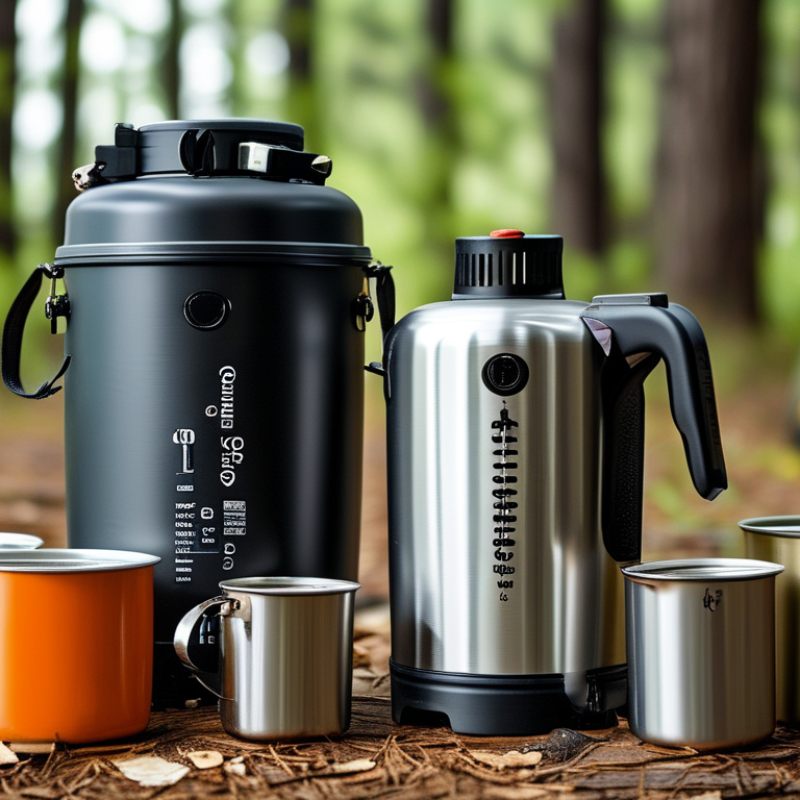
When selecting a portable water heater, understanding the various types available is crucial. There are primarily two types: tankless and tank-style heaters. Tankless models provide hot water on demand. They are compact and energy-efficient, making them ideal for small spaces. According to a report from the U.S. Department of Energy, tankless heaters can be 24-34% more energy-efficient than tank heaters.
On the other hand, tank-style portable water heaters store hot water in a reservoir. They are generally less expensive initially but can lead to higher energy costs over time. A study by Consumer Reports indicates that tank heaters may have a lifespan of about 10-15 years, while tankless models can last up to 20 years with proper maintenance. This longevity can offset the higher upfront cost of tankless systems.
Both options have their pros and cons. A tank-style unit may not provide enough hot water for larger groups. Conversely, tankless systems can struggle with high demand if not properly sized. Understanding these nuances can aid in making an informed decision that meets your needs more effectively.
Evaluating Heating Capacity and Efficiency for Your Needs
When selecting a portable water heater, evaluating heating capacity is crucial. A heater's capacity is often measured in gallons per minute (GPM). For instance, a unit with a GPM of 2 can provide sufficient hot water for one shower. However, multiple showers or appliances may require a higher capacity, potentially around 5 GPM. Research indicates that consumers frequently underestimate their hot water needs, leading to dissatisfaction.
Efficiency is equally important. Look for models with energy factor (EF) ratings of at least 0.90. Higher EF ratings indicate better energy usage, which can lead to lower utility bills. According to the U.S. Department of Energy, efficient water heaters can save up to 25% on energy costs over time. It's essential to balance capacity and efficiency to match your specific needs. Remember, an oversized unit may waste energy, while an undersized unit could result in insufficient hot water supply.
Investing time in understanding these parameters can prevent costly regrets in the long run. Evaluating your actual usage and examining various models will lead you to a better decision. Don't overlook the significance of professional reviews and user feedback; they often reveal insights missed in specifications.
10 Essential Tips for Choosing the Best Portable Water Heater
| Feature |
Description |
Example Values |
| Heating Capacity |
The amount of hot water produced per minute. |
1.5 - 5 gallons/minute |
| Energy Source |
The type of fuel or electricity used to heat water. |
Electric, Propane, Natural Gas |
| Efficiency Rating |
Measurement of the energy efficiency. |
EF 0.75 - 0.95 |
| Size and Weight |
Dimensions and portability of the heater. |
20 - 50 lbs |
| Temperature Control |
Ability to set specific water temperatures. |
Adjustable from 90°F to 150°F |
| Safety Features |
Built-in features to prevent overheating and leaks. |
Auto shut-off, Pressure relief valve |
| Installation Type |
How the heater is set up in your space. |
Portable, Tankless, Under-sink |
| Cost |
Estimated price range for different models. |
$100 - $600 |
| Warranty |
Coverage period for manufacturer defects or failures. |
1 - 5 years |
Considering Size and Portability for Ease of Use
When selecting a portable water heater, size and portability are crucial. A compact design ensures easy transport and storage. Look for models that are lightweight yet durable. A heater that fits well in your vehicle can make travels smoother. Consider the space where you will use it. Will it be on a camping trip or in a tiny home?
Tip: Measure the space you have available. This helps avoid any surprises. Many portable heaters have collapsible features. This can greatly enhance their portability. Also, think about the power source. Gas and electric options vary in size and weight. Some models might be too bulky for certain locations.
Another important aspect is heating capacity. A smaller unit may not provide enough hot water for larger groups. It’s essential to balance size with functionality. Some heaters might be easy to carry but slow to heat. Always check reviews, as user experiences provide insight.
Tip: Look for versatile designs. Some heaters double as shower systems. This can save space and reduce the need for extra equipment. Finding the right balance of size, weight, and performance can be challenging but rewarding. Keep your needs in mind, and choose wisely.
Water Heater Size vs Portability - A Comparison
This chart illustrates the weight of different categories of portable water heaters, highlighting how size impacts portability. Choosing a lighter model from the compact or ultra-compact categories may offer better convenience for travel and use in various settings.
Assessing Safety Features and Certifications
When choosing a portable water heater,
safety features should be your priority. Look for models with multiple safety mechanisms.
These include automatic shut-off, temperature control, and
anti-scalding technologies. Each feature plays a vital role in preventing accidents.
If you're not sure about a model's safety, check its certifications.
Safety certifications can guide your selection. They ensure the unit adheres to industry standards.
Certifications from recognized organizations indicate a reliable product. Do some research on these certifications.
This provides clarity and confidence in your choice.
Evaluate the heater's materials, too. Quality materials can enhance safety and longevity.
Avoid units made from flimsy or non-corrosive materials.
Read user reviews to gauge real-world safety experiences.
These insights often reveal hidden issues. A crucial tip is to always prioritize safety. Don't overlook it.
Budgeting: Finding the Best Value for Your Portable Water Heater
When budgeting for a portable water heater, understanding the value is crucial. Industry reports indicate that homeowners often spend between $100 and $300 on these devices. However, the overall cost depends on features, efficiency, and brand reputation. A more expensive model may offer better efficiency. But does a higher price guarantee better performance? Not always.
Consider these tips. First, evaluate the required wattage. According to the Department of Energy, a water heater should provide sufficient output for your needs. Too low of a wattage can lead to longer wait times for hot water. Also, consider the fuel type. Electric heaters typically cost less upfront but can lead to higher utility bills. On the other hand, propane might be more efficient for some users.
Look for energy-efficient models. Research shows that energy-efficient portable heaters can save around 30% in energy costs. However, careful attention is needed, as some models can fall short of their promised performance. Reading user reviews can provide insight into real-world performance and reliability. While you want good value, balancing initial costs and long-term savings is essential for an informed decision.