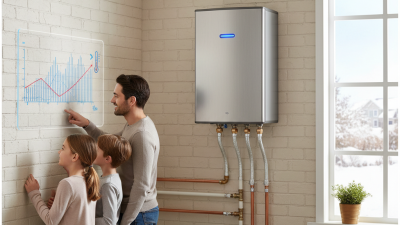
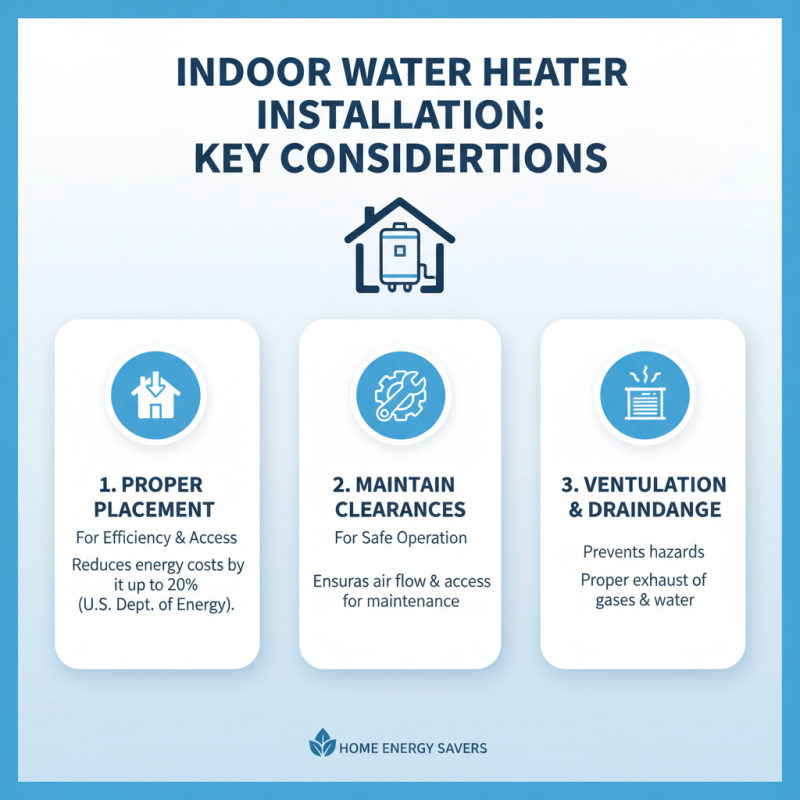
Why You Should Consider an Indoor Water Heater for Your Home?
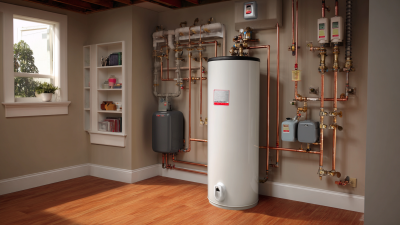
When considering home upgrades, an Indoor Water Heater is a smart choice. This appliance offers several benefits that can enhance daily living. Imagine enjoying a warm shower on a chilly morning, thanks to instant hot water. You can access hot water anytime you need it, which adds convenience and comfort.
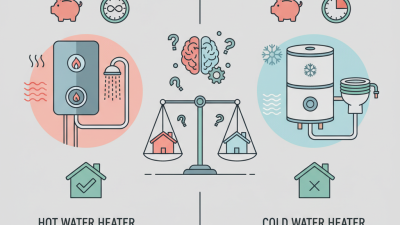
Indoor Water Heaters are efficient. They can save you money on energy bills. With the right model, you may find it uses less energy compared to traditional systems. It’s important to evaluate your space. Some homes may not have enough room for larger heaters. Additionally, not every model is perfect for every household.
A potential drawback is installation costs, which can be high. You may need to hire professionals, adding to the initial expense. Some people may overlook maintenance needs, leading to long-term issues. Reflecting on your hot water needs helps you make informed decisions. Therefore, an Indoor Water Heater deserves thoughtful consideration.
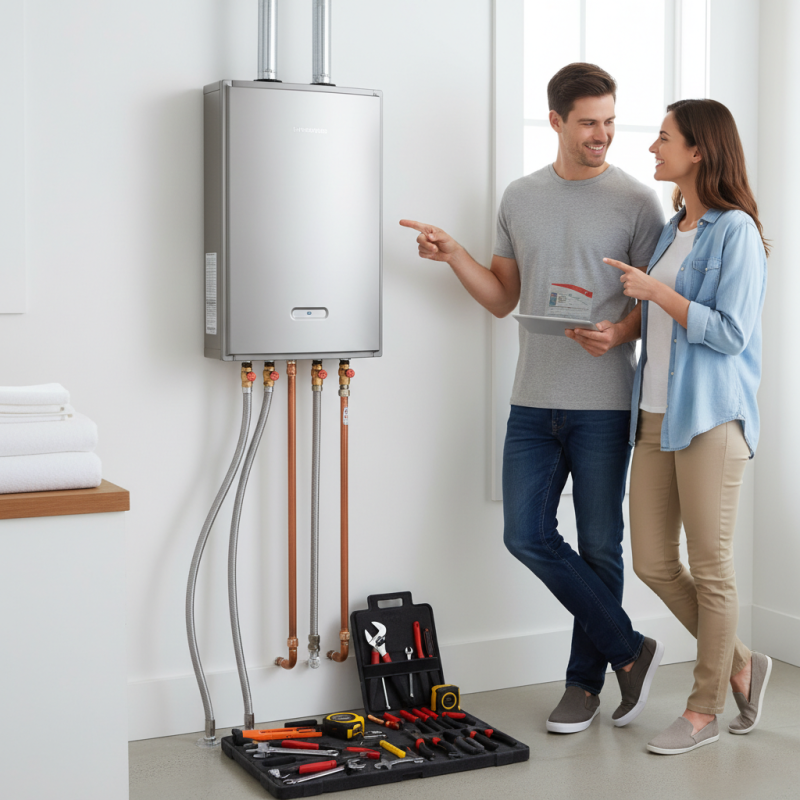
Understanding Indoor Water Heaters: Basics and Benefits
Indoor water heaters are becoming popular among homeowners. They offer convenience and efficiency. Understanding how they work is vital for making informed choices.
These heaters can fit in tight spaces, ideal for smaller homes. They use less energy than traditional heaters. This not only saves on bills but also reduces carbon footprints. A continuous supply of hot water is a great bonus. No more waiting for the tank to refill.
**Tip:** When selecting an indoor water heater, think about your household's hot water needs. An undersized unit might leave you in chilly situations. Assess your peak usage times to ensure efficiency.
Another consideration is installation costs. While initial expenses may seem high, the long-term savings are significant. However, choosing the wrong unit can lead to regret. Do thorough research before making a decision.
**Tip:** Consult with professionals about the best locations for installation. Placement can greatly affect performance. An ill-placed unit might not work effectively, leading to unwanted frustrations.
Advantages of Indoor Water Heaters
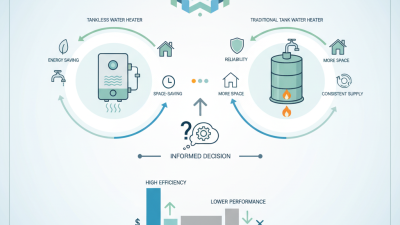
This chart illustrates the various advantages of indoor water heaters, rated on a scale from 1 to 10. Key benefits include efficiency, space-saving design, installation and maintenance costs, and overall lifespan.
The Advantages of Indoor Water Heaters Over Traditional Systems
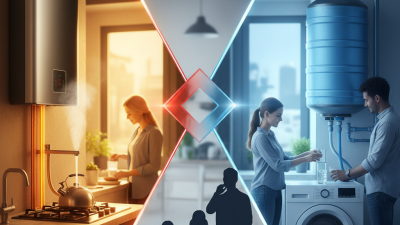
Indoor water heaters offer several advantages over traditional systems. They provide higher energy efficiency, saving money over time. Unlike external units, indoor heaters are less exposed to weather changes. This constant environment helps maintain optimal performance.
Another benefit is space-saving design. Indoor units can fit into compact areas, making them ideal for small homes. They can be installed in cabinets or closets, which maximizes living space. Additionally, these heaters often heat water faster. You won’t wait long for hot water during peak usage times.
However, installation can require careful planning. Plumbing adjustments might be needed. Also, consider ventilation options to prevent excess humidity indoors. Evaluating the specific space in your home can lead to better efficiency. Sometimes, residents may overlook these aspects, leading to future adjustments. Prioritizing these details ensures you enjoy the full benefits of an indoor water heater.
Key Features to Look for When Choosing an Indoor Water Heater
Choosing the right indoor water heater involves considering several key features. First, the capacity matters. Think about how much hot water your household needs. A larger family may require a bigger unit. However, too large a tank can waste energy. Striking a balance between demand and efficiency is essential.
Another important aspect is energy efficiency. Look for units with high efficiency ratings. They save on utility bills over time. However, these models can be pricier upfront, which might lead to second thoughts. Also, consider the heating method. Some units use electricity, while others use gas. Each has pros and cons, depending on your home's infrastructure.
Safety features should not be overlooked. An indoor water heater must have proper insulation to prevent burns. Other safety mechanisms are beneficial too. These features can lead to additional costs, but they provide peace of mind. Ultimately, weigh your options carefully before making a choice. Balancing initial costs with long-term savings can lead to better decisions.
Maintenance Tips for Prolonging the Life of Your Indoor Water Heater
Indoor water heaters can significantly enhance your home's comfort. To ensure they last longer, regular maintenance is crucial. Here are some tips to help you.
Start by checking the temperature setting. The optimal temperature for most households is around 120 degrees Fahrenheit. Setting it too high can cause scale buildup. Scale can damage the heater's components over time. It's simple to adjust, but many people forget this step.
Inspect the pressure relief valve regularly. This valve prevents potential explosions by releasing excess pressure. If it’s leaking, it may not function correctly. A leak can easily go unnoticed, leading to bigger issues. Keep an eye on it.
Flushing the tank at least once a year is another essential task. Sediment builds up over time, affecting efficiency and performance. If left unattended, it can cause the heater to overheat or break down. The process isn't complicated but requires some effort.
Ignoring these maintenance tips may lead to costly repairs. Regular checks can spare you from unexpected situations. Taking care of your indoor water heater is vital for longevity and efficiency.