What is an Outdoor Instant Water Heater and How Does It Work?
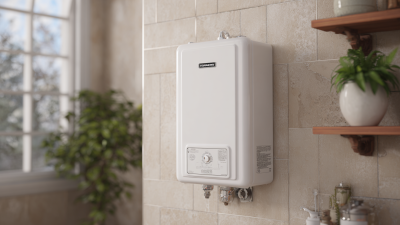
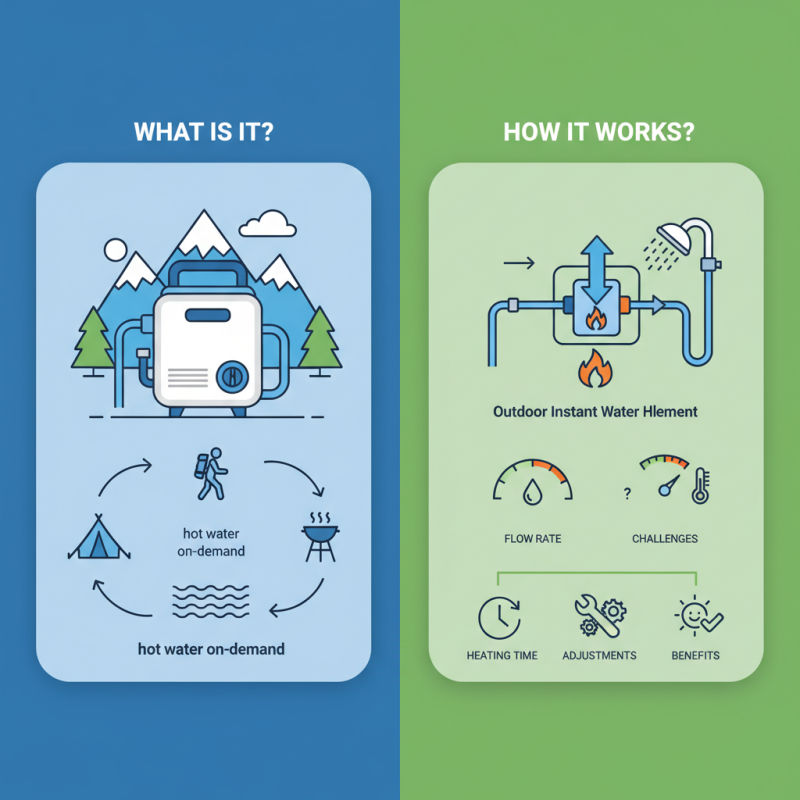
An Outdoor Instant Water Heater is a remarkable innovation for outdoor enthusiasts. It provides hot water on-demand, making it perfect for camping or outdoor events. Imagine the convenience of a warm shower after a long day of hiking or enjoying a cookout. These heaters are compact and lightweight, often designed for easy transport.
The way an Outdoor Instant Water Heater works is straightforward. It heats water only when needed, saving energy and reducing costs. This system can be a bit tricky to set up, especially for beginners. Flow rate and water temperature can be challenging to balance. Users may need to experiment to find the sweet spot that works for them.
While these heaters are efficient, they come with little quirks. Sometimes, they may take longer to heat water than expected. Users might find themselves adjusting settings frequently. Nonetheless, the benefits often outweigh the challenges. An Outdoor Instant Water Heater can enhance outdoor living experiences, bringing warmth and comfort to nature.
Definition of Outdoor Instant Water Heater and Its Purpose
An outdoor instant water heater is a device designed for quick hot water access in outdoor settings. It heats water on demand, eliminating the need for bulky storage tanks. These heaters are perfect for campers, outdoor showers, and activities like gardening. According to industry reports, the global market for instant water heaters is projected to reach $12 billion by 2028, driven by an increasing demand for energy-efficient solutions.
The primary purpose of outdoor instant water heaters is convenience. They deliver hot water almost instantly, which saves time and enhances user experience. Existing users appreciate their portability and ease of installation. However, it’s important to note that these heaters may struggle in very cold environments. Performance can decline if the water intake temperature is too low. Data suggests that around 10% of consumers report issues related to low-temperature performance.
Moreover, their energy efficiency is noteworthy. They often save energy compared to traditional water heaters, as they only operate when hot water is needed. Reports indicate up to 30% energy savings for some models. Still, the initial cost can be higher than traditional systems. Many homeowners reflect on this investment, weighing upfront costs against long-term savings.
Key Components of an Outdoor Instant Water Heater
An outdoor instant water heater provides on-demand hot water for various needs. It is different from traditional water heaters, which store hot water. Instead, it heats water instantly when you need it. This efficiency is appealing for outdoor showers, kitchens, or even hot tubs.
Key components of an outdoor instant water heater include the heating element, control panel, and water inlet. The heating element is crucial. It quickly warms the water as it flows through. The control panel allows users to set the desired temperature. Simple and intuitive, it often features buttons or knobs.
The water inlet is another important part. It brings cold water into the system for heating. Proper installation of these components is vital. A faulty connection can lead to inefficiency or leaks. Regular maintenance is necessary. Sometimes, users overlook this, leading to unexpected breakdowns. Overall, understanding these components helps ensure you're prepared for any issues.
How Outdoor Instant Water Heaters Operate Mechanically
Outdoor instant water heaters are gaining popularity for their efficient heating capabilities. These devices heat water on demand, providing instant hot water whenever you need it. They do not store water, which saves energy. Instead, water flows through the unit as needed. This design prevents heat loss from standing water.
Mechanically, these heaters use a powerful heating element. When water flows in, a flow sensor detects the movement. This triggers the heating element to activate. The water then passes over this element, allowing for quick heating. Often, these heaters also have adjustable temperature settings. Users can find their ideal comfort level without hassle.
However, not all installations are perfect. Some users may struggle with low water pressure. This can affect the heater's performance. The placement of the unit can also influence its efficiency. Outdoor conditions might expose the heater to extreme weather. Regular maintenance is essential but often overlooked. It's crucial to check for any dust or debris that might obstruct water flow.
What is an Outdoor Instant Water Heater and How Does It Work? - How Outdoor Instant Water Heaters Operate Mechanically
| Feature |
Description |
| Type |
Gas-powered or Electric |
| Heating Method |
Instant heating as water flows through the unit |
| Installation |
Wall-mounted or freestanding |
| Efficiency |
High energy efficiency due to on-demand heating |
| Water Flow Rate |
Typically ranges from 2 to 6 gallons per minute |
| Temperature Range |
Can heat water to temperatures between 100°F and 140°F |
| Safety Features |
Overheat protection, flame failure device (for gas units) |
| Maintenance |
Minimal maintenance required, regular descaling recommended |
Benefits of Using an Outdoor Instant Water Heater
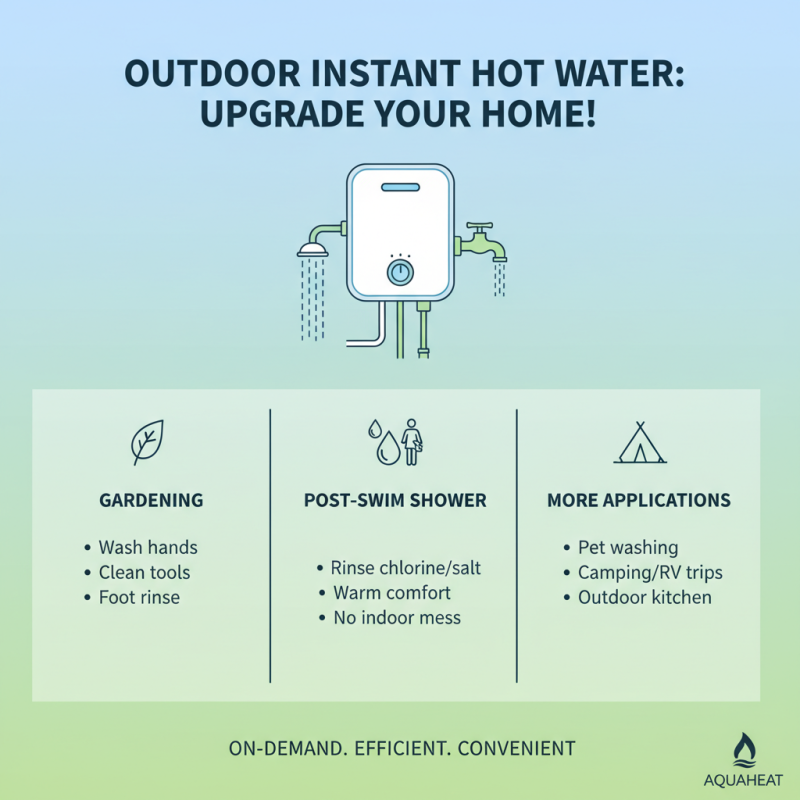
Outdoor instant water heaters have become popular for many homeowners. They provide hot water on demand, which is quite beneficial for outdoor activities. Imagine washing your hands after gardening, or showering outside after a swim. The convenience of instant hot water transforms these experiences, making them much more enjoyable.
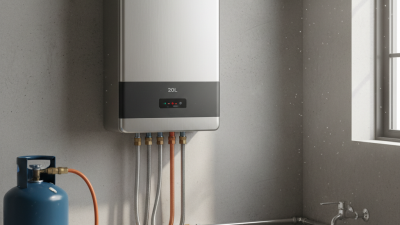
Using an outdoor instant water heater has various advantages. Since they heat water quickly, you don't waste energy keeping a tank full. This can lead to lower energy bills. Additionally, they're often compact and easy to install. They can fit snugly on patios or near outdoor kitchens. However, one must consider the installation process. It can be tricky for some. Understanding plumbing and gas connections is essential. Not every outdoorsy person feels comfortable with this task.
Another benefit is the reduced environmental impact. They use energy more efficiently. Yet, not all systems are created equal. Some may struggle in colder temperatures, leading to lukewarm water. It's crucial to research and choose a model that fits your needs. Balancing efficiency with performance can be a challenge.
Installation and Maintenance Considerations for Outdoor Models
When considering the installation of outdoor instant water heaters, several key factors come into play. Proper location is critical. Ensure the unit is positioned away from direct sunlight and severe weather conditions. This can enhance performance and longevity. A sheltered area is ideal, as it protects the heater from extreme temperature fluctuations. According to a report by the Water Heating Research Association, improper placement can decrease efficiency by up to 30%.
Regular maintenance is another essential aspect. Cleaning the unit periodically prevents buildup and corrosion. Routine checks on pipes and connections can identify early signs of wear and tear. It’s advisable to flush the system annually. This practice can improve efficiency by approximately 15%. Neglecting maintenance might lead to costly repairs or replacements. Additionally, some owners underestimate the impact of local regulations. Understanding installation codes in your area ensures compliance and safety, helping avoid fines or legal issues.
Be mindful of energy sources as well. Depending on the fuel type, installation can vary significantly. Gas units may require venting, while electric models might need additional wiring. Each option has its operational considerations. Thus, it’s important to weigh the benefits of each, especially when considering energy costs.