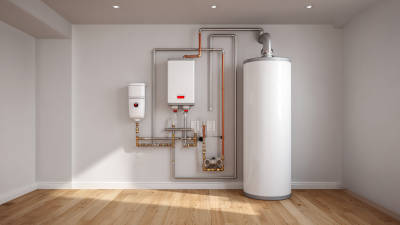
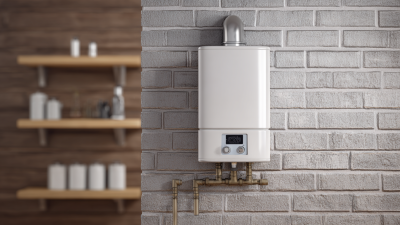
What is a Tankless Water Heater and How Does It Work
The demand for energy-efficient home appliances has surged in recent years, with homeowners increasingly seeking alternatives that reduce energy consumption while maintaining comfort. One such innovation is the Tankless Water Heater, which has gained traction due to its ability to provide on-demand hot water without the limitations of traditional tank systems. According to a recent report by the U.S. Department of Energy, tankless water heaters can be up to 34% more energy-efficient for homes that use less than 41 gallons of hot water daily. This efficiency not only translates to lower utility bills but also contributes to a reduced carbon footprint.
As the residential market shifts towards sustainable solutions, it is essential to understand how a Tankless Water Heater operates. Unlike conventional models that store hot water, tankless systems heat water directly as it flows through the unit, providing a continuous supply without the wait. Research indicates that tankless water heaters can last up to twice as long as traditional units, making them a cost-effective investment in the long run. As a novice or seasoned homeowner evaluates their hot water options, understanding the principles and benefits of tankless technology will play a pivotal role in their decision-making process, ultimately enhancing both efficiency and convenience in daily life.
What is a Tankless Water Heater?
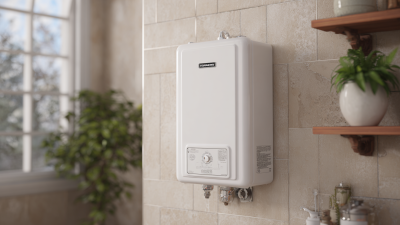
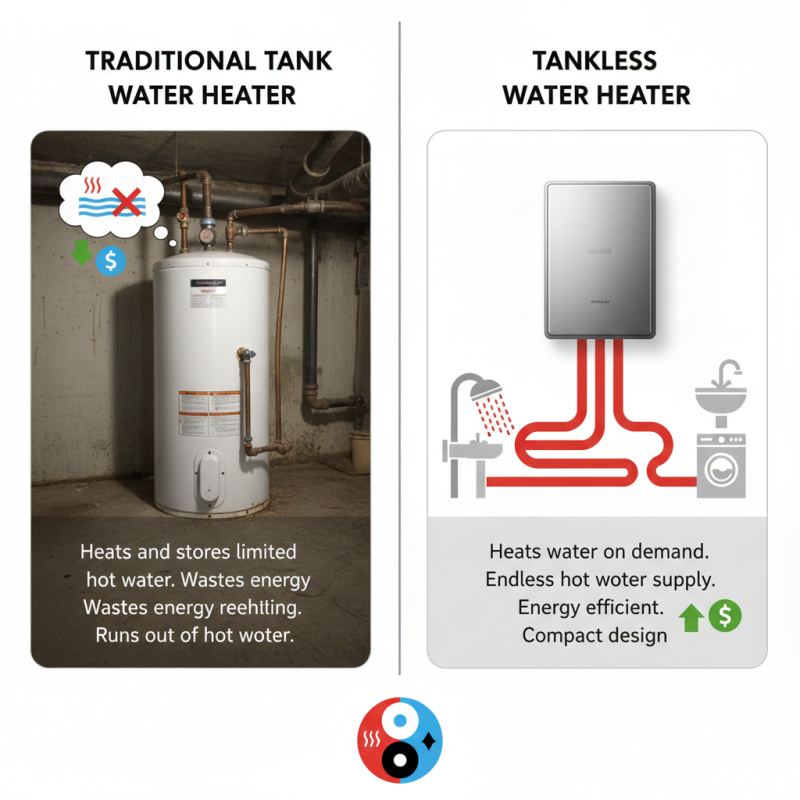
A tankless water heater, also known as an on-demand water heater, is a modern alternative to traditional storage water heaters. Unlike conventional systems that store a large volume of hot water in a tank, tankless water heaters operate by heating water directly as it flows through the unit. This means you only use energy when you need hot water, which can lead to significant energy savings and a reduced carbon footprint over time.
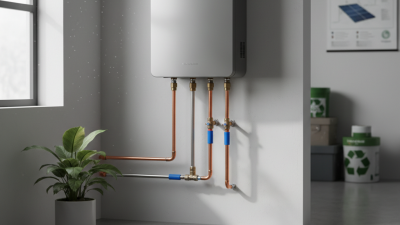
The primary function of a tankless water heater is to provide hot water instantly, making it an efficient choice for households with varying water needs. When a hot water tap is turned on, cold water travels through a pipe into the unit, where either a gas burner or an electric element heats the water. This allows for an endless supply of hot water, meaning you can shower, wash dishes, and do laundry simultaneously without experiencing a drop in temperature. As such, tankless water heaters cater to modern lifestyles that demand convenience and efficiency without compromising comfort.
Key Components of a Tankless Water Heater
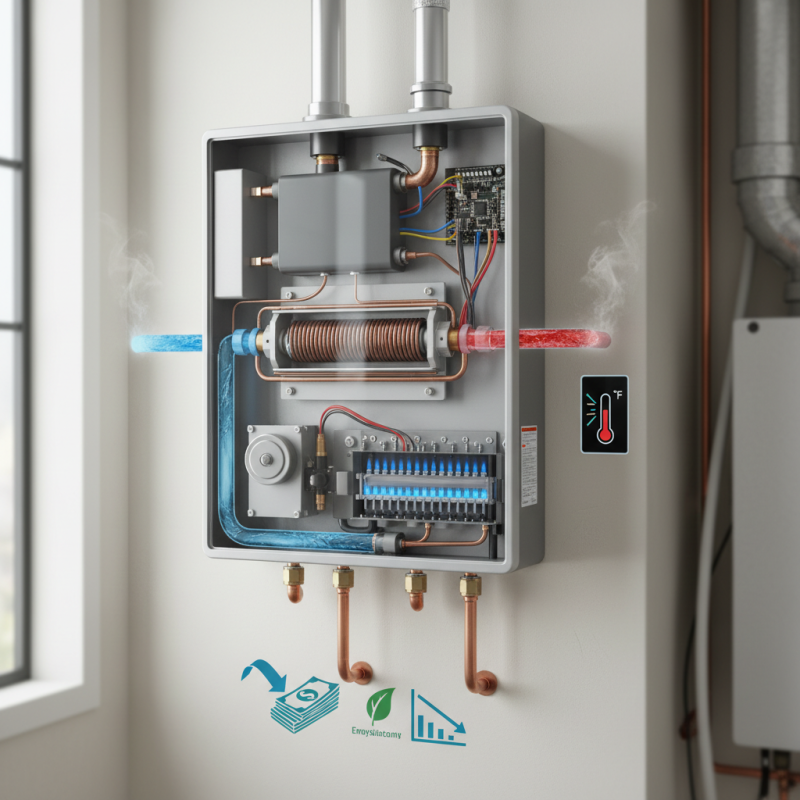
A tankless water heater, also known as an on-demand water heater, operates by heating water directly without the need for a storage tank. When a hot water tap is turned on, cold water travels through a pipe into the unit, where it is heated by either gas or electricity. This approach ensures that homeowners never run out of hot water, which can be particularly advantageous in high-demand situations. According to the U.S. Department of Energy, tankless water heaters can provide significant energy savings, with potential reductions of 24% to 34% in energy costs for a family of four.
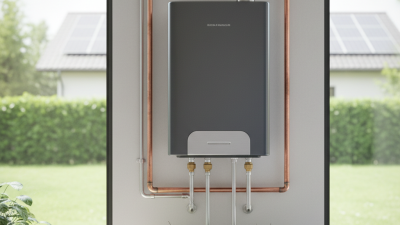
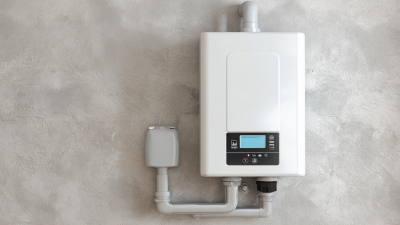
Key components of a tankless water heater include the heat exchanger, which is responsible for transferring heat to the water, and the control system, which regulates the water temperature and flow rate. Additionally, a condensing unit may be present in gas models to maximize efficiency by using exhaust gases to preheat incoming water. Another vital component is the ignition system, which facilitates the heating process. Regular maintenance and proper sizing of these units are crucial for optimal performance, as undersized heaters may struggle with high demand.
Tip: When considering installation, be sure to assess the flow rate required by your household to select an appropriately sized tankless water heater. This will prevent inadequate heating during peak usage times. Furthermore, periodic maintenance is essential to keep the unit functioning efficiently, including descaling it regularly to prevent mineral buildup that can affect performance.
How Tankless Water Heaters Operate
Tankless water heaters, also known as on-demand water heaters, operate by heating water directly without the use of a storage tank. When you turn on the hot water tap, cold water travels through a pipe to the unit, where it is heated either by gas burners or electric elements. This design allows for a continuous supply of hot water, meaning you can enjoy hot showers or clean dishes without worrying about running out of hot water as you might with traditional tank systems.
One of the key advantages of tankless water heaters is their energy efficiency. Because they heat water only when needed, they eliminate the standby heat loss associated with conventional tank systems, which continually heat large volumes of water. This can translate into substantial energy savings over time.
Tips for maximizing the efficiency of your tankless water heater include regularly descaling the unit to prevent mineral buildup, adjusting the temperature settings to a comfortable level (typically around 120°F), and ensuring that your water flow rate is compatible with the unit's capacity for optimal performance. By following these simple maintenance practices, you can enhance the longevity and efficiency of your tankless system.
Advantages of Using a Tankless Water Heater
Tankless water heaters, also known as on-demand water heaters, are increasingly favored in modern homes for their efficiency and convenience. One of the major advantages of using a tankless water heater is the significant energy savings it can provide. According to the U.S. Department of Energy, tankless systems can be 24-34% more energy-efficient than traditional tank water heaters, especially when used for residential applications that consume 41 gallons or less of hot water daily.
These systems heat water directly as it flows through the unit, eliminating the need for storage tanks and significantly reducing energy consumption. Homeowners can enjoy continuous hot water, which is particularly beneficial for larger families or homes with multiple bathrooms. Additionally, tankless water heaters typically have a longer lifespan—up to 20 years—compared to traditional heaters, which last around 10-15 years. This longevity also contributes to lower overall replacement costs and less waste in landfills.
Tips for choosing a tankless water heater include assessing your household’s peak hot water demand, ensuring the unit's flow rate meets your needs, and consulting with a professional to optimize installation. Regular maintenance, such as descaling, can also extend the lifespan of your system and keep it functioning efficiently. By understanding the benefits and properly maintaining a tankless water heater, homeowners can maximize their energy savings and enjoy a reliable hot water supply.
Advantages of Tankless Water Heaters
Common Misconceptions About Tankless Water Heaters
When considering a tankless water heater, several common misconceptions often arise that can deter homeowners from making the switch. One prevalent myth is that tankless systems can’t provide enough hot water for multiple simultaneous uses. In reality, these systems are designed to heat water on demand, and depending on their capacity, they can supply a steady stream of hot water to multiple outlets at once. However, it’s essential to choose a unit with adequate flow rate specifications tailored to your household's needs.
Another misconception is that tankless water heaters are maintenance-free. While they do have a longer lifespan compared to traditional tank heaters, they still require regular maintenance to ensure optimal performance. This includes periodic descaling, especially in areas with hard water, to prevent mineral buildup that can hinder efficiency. Proper maintenance not only prolongs the life of the unit but also ensures that it operates at maximum efficiency, making it a long-term investment worth considering.