10 Smart Tips for Choosing the Best Hot Cold Water Heater for Your Home
When it comes to ensuring comfort and convenience in our homes, the selection of an efficient Hot Cold Water Heater cannot be overlooked. According to a report by the U.S. Department of Energy, water heating can account for approximately 18% of a home's energy consumption, making it one of the largest energy expenses for many households. As energy efficiency becomes increasingly critical in contemporary living, making informed choices regarding Hot Cold Water Heaters is essential for both economic and environmental benefits.

Industry expert, Dr. Emily Chen, a leading researcher in home energy technologies, emphasizes the significance of selecting the right water heater: "A well-chosen Hot Cold Water Heater not only serves daily needs but can also lead to significant cost savings and energy efficiency in the long run." This statement underscores the importance of understanding your home’s specific hot and cold water needs, as well as the various technologies available, including tankless and traditional models.
With numerous options on the market, consumers are faced with the challenge of navigating specifications, energy ratings, and installation requirements. This article aims to provide ten smart tips for choosing the best Hot Cold Water Heater that aligns with both your household requirements and sustainability goals. By equipping yourself with the right knowledge, you can ensure that your choice will serve you well for years to come.
Understanding the Different Types of Hot Cold Water Heaters and Their Efficiency Ratings
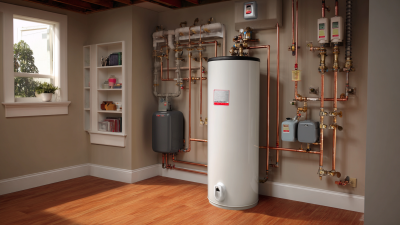
When selecting the best hot and cold water heater for your home, understanding the various types and their efficiency ratings is crucial. Traditional tank water heaters typically store hot water for immediate use, but their efficiency can vary significantly based on the model and its insulation properties. Energy loss from standby heat can account for a substantial portion of energy consumption, making it essential to choose models with high energy efficiency ratings. Reports indicate that heat pump water heaters are among the most efficient options available, heating water using electricity in a more environmentally friendly manner compared to conventional electric heaters, potentially reducing energy costs by up to 50%.
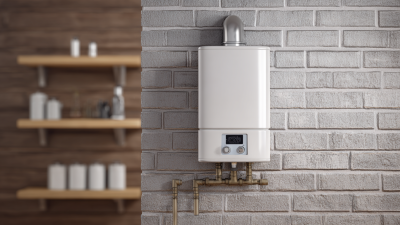
Tankless water heaters are another popular choice, providing hot water on demand without the need for storage tanks. They possess the advantage of being more energy-efficient since they only heat water as needed, leading to significant savings in energy bills. Research has shown that homes can cut down on their water heating energy costs dramatically by installing high-efficiency tankless systems. Moreover, understanding the differences between fuel sources—such as electric, gas, or propane—can also influence operating costs and efficiency. With comprehensive market analysis illustrating the rapid advancements in heating technology, consumers can now find models that not only match their usage requirements but also offer long-term energy savings.
10 Smart Tips for Choosing the Best Hot Cold Water Heater for Your Home
| Type of Heater |
Energy Efficiency Rating |
Capacity (Gallons) |
Average Lifespan (Years) |
Initial Cost (USD) |
| Tank Water Heater |
EF 0.60 - 0.85 |
30 - 50 |
10 - 15 |
500 - 1,500 |
| Tankless Water Heater |
EF 0.85 - 0.95 |
Up to 10 (depending on demand) |
15 - 20 |
1,000 - 3,000 |
| Heat Pump Water Heater |
EF 2.00 - 3.00 |
50 - 80 |
10 - 15 |
1,500 - 3,000 |
| Solar Water Heater |
Varies |
80 - 120 |
20 - 25 |
3,000 - 5,000 |
Key Factors to Consider: Size, Capacity, and Energy Source for Water Heaters
When selecting the best hot cold water heater for your home, three key factors to consider are size, capacity, and energy source. The size of the water heater plays a crucial role in ensuring that it fits seamlessly into your space, while capacity directly impacts your household's hot water needs. According to the U.S. Department of Energy, a family of four typically requires a water heater with a capacity of 40 to 50 gallons for optimal performance. If you have higher demand, such as multiple showers or appliances running concurrently, you may need to invest in a larger capacity model.
Energy source is another vital consideration that can affect both your energy bills and environmental footprint. Traditional gasoline-powered heaters are commonly used, but options like electric, solar, and heat pump water heaters are becoming increasingly popular. The Energy Information Administration (EIA) reports that electric water heaters are often more efficient, leading to lower overall costs in the long run. Moreover, solar water heaters can reduce energy costs by 50% or more, making them an attractive choice for environmentally-conscious homeowners. By evaluating these factors diligently, you can choose a water heater that best meets your household's requirements while also being energy-efficient.
Evaluating Energy Efficiency: How to Interpret the EnergyGuide Label
When selecting a hot cold water heater for your home, understanding the
EnergyGuide label
is crucial for evaluating energy efficiency. This label, prominently displayed on appliances,
provides essential information about the estimated annual operating costs, energy consumption,
and efficiency of the water heater. By comparing these labels across different models, homeowners
can make informed decisions that align with their energy use and budgetary constraints.
 The EnergyGuide label typically indicates the water heater's
energy factor (EF),
which measures its efficiency in converting energy into hot water. A higher EF value signifies better
energy efficiency, meaning lower utility bills and reduced environmental impact. Additionally, the label
often includes a comparison chart that outlines how the selected model stacks up against similar products,
empowering consumers to choose a unit that offers both performance and savings. By focusing on these key
details, one can ensure that their investment in a water heater is not only cost-effective but also
environmentally conscious.
The EnergyGuide label typically indicates the water heater's
energy factor (EF),
which measures its efficiency in converting energy into hot water. A higher EF value signifies better
energy efficiency, meaning lower utility bills and reduced environmental impact. Additionally, the label
often includes a comparison chart that outlines how the selected model stacks up against similar products,
empowering consumers to choose a unit that offers both performance and savings. By focusing on these key
details, one can ensure that their investment in a water heater is not only cost-effective but also
environmentally conscious.
Comparing Installation Costs and Maintenance Requirements Across Heater Types
When selecting a hot cold water heater for your home, understanding the installation costs and maintenance requirements is crucial. According to the U.S. Department of Energy, traditional storage water heaters can cost between $1,000 to $3,000 to install, depending on the complexity of the installation and regional labor rates. In contrast, tankless water heaters, which provide hot water on demand, have higher initial costs, typically ranging from $2,000 to $5,000. However, their longer lifespan and reduced energy consumption, as they only heat water when needed, can offset these higher upfront expenses over time.
Maintenance needs also vary significantly between different heater types. For example, standard tank heaters require regular flushing and sediment removal, which can cost homeowners around $150 per service visit. In contrast, tankless systems require periodic descaling, especially in areas with hard water, which can be a similar cost. A report from the Home Improvement Research Institute suggests that while tankless heaters might have higher initial service calls, their overall maintenance costs tend to be lower across their lifespan. This makes thorough comparison and understanding of both installation and maintenance an essential step in making an informed decision for your home.
The Importance of Consumer Reviews and Ratings in Selecting a Reliable Water Heater
When selecting a reliable hot cold water heater, consumer reviews and ratings play a crucial role in the decision-making process. According to a 2022 survey by the Energy Information Administration, over 70% of consumers rely on online reviews when choosing home appliances. These ratings not only reflect the experiences of past users but also often include critical insights about performance, efficiency, and durability that can significantly influence your choice. For instance, products that maintain a rating of 4 stars or higher typically report fewer issues related to breakdowns and inefficiencies, as indicated in the latest Consumer Reports study.

Moreover, reviews provide an opportunity to gauge the customer support and warranty services offered by manufacturers. Tracking trends in consumer feedback can reveal which brands consistently meet or fail to meet consumer expectations. According to a report published by the American Society of Plumbing Engineers, units backed by strong positive ratings often come with improved energy efficiency ratings, suggesting a higher return on investment. In fact, reliable models can save homeowners up to 25% on energy costs annually. Therefore, leveraging consumer feedback isn’t just about finding a heater; it's about ensuring a well-informed purchase that delivers long-term satisfaction and savings.