Top 10 Outdoor Water Gas Heaters for Your Home Needs?
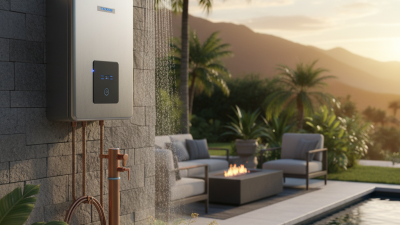
When it comes to heating water outdoors, an Outdoor Water Gas Heater is a practical solution. Many homeowners seek efficient and reliable options. With the right gas heater, you can enjoy hot water for showers, cleaning, or heating pools. However, choosing the best model can be overwhelming due to numerous choices in the market.
Outdoor Water Gas Heaters come in various styles and sizes. Some are compact, perfect for smaller spaces. Others are more robust, suitable for larger households. It is crucial to understand your specific needs before making a selection. How much hot water do you require? What is your budget? These questions guide your decision.
Moreover, not all water gas heaters are created equal. Some models may not perform well in colder climates. Others might consume more energy than anticipated, leading to higher bills. Researching reputable brands and reading customer reviews can help. Establishing a balance between efficiency and cost-effectiveness is essential. Selecting the right Outdoor Water Gas Heater can provide comfort and convenience, enhancing your overall outdoor experience.
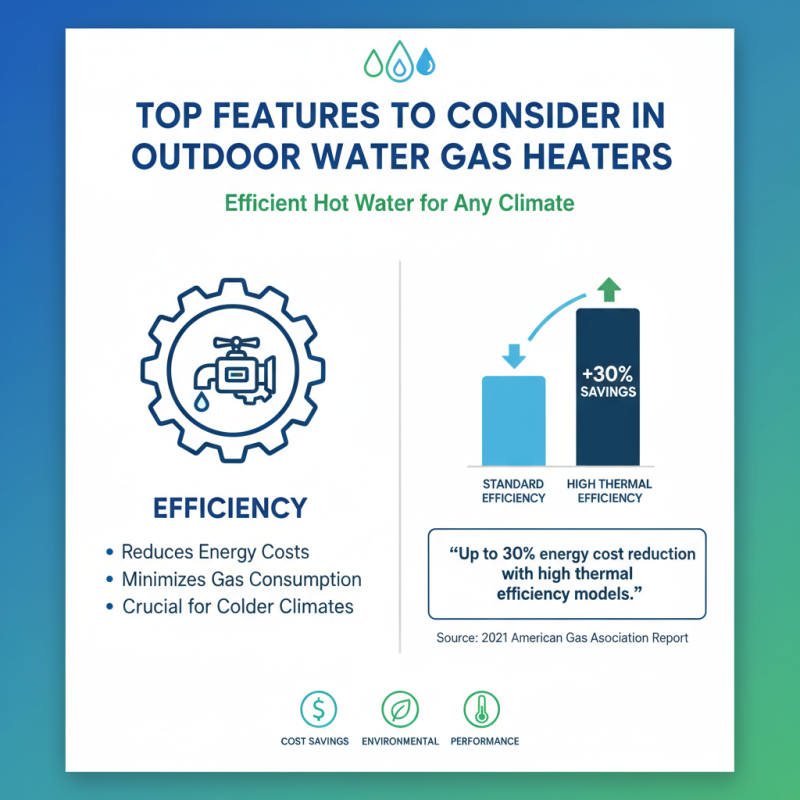
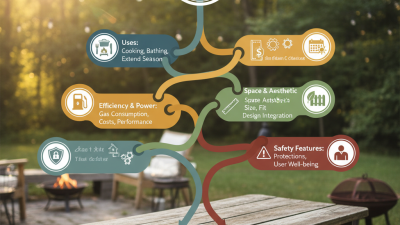
Top Features to Consider in Outdoor Water Gas Heaters
When choosing outdoor water gas heaters, several key features warrant attention. A key consideration is efficiency. According to a 2021 industry report by the American Gas Association, opting for models with high thermal efficiency can reduce energy costs by up to 30%. An efficient heater ensures hot water supply while minimizing gas consumption, which is particularly important in colder climates.
Another crucial aspect is safety features. Many outdoor water gas heaters now come equipped with automatic shut-off systems. This technology can prevent potential hazards, making them safer for families. A study from the National Fire Protection Association indicates that devices with integrated safety features significantly lower the risk of accidents.
Additionally, portability can be a deciding factor. Some homeowners may want to move heaters for different outdoor activities. Models that provide easy mobility allow for adaptation to various needs. However, it’s essential to balance portability with performance. Achieving both may require some sacrifice in capacity or heat output. Understanding these various elements can guide homeowners in selecting the right outdoor water gas heater for their specific needs.
Types of Outdoor Water Gas Heaters Available on the Market
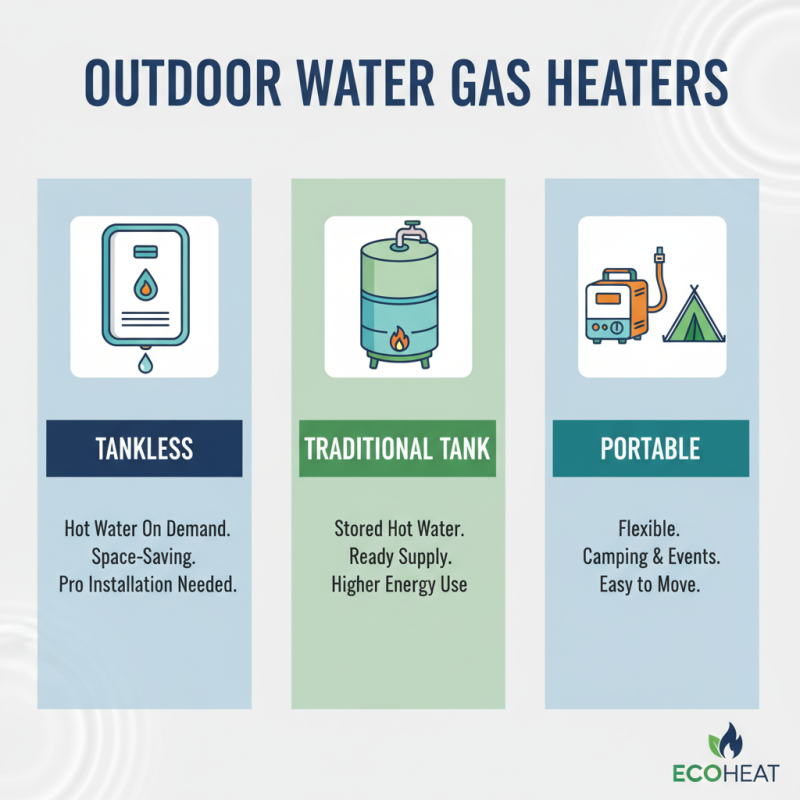
When choosing outdoor water gas heaters, it's essential to understand the types available on the market. Common styles include tankless, traditional tank models, and portable units. Tankless heaters provide hot water on demand and save space. However, they may require professional installation. Traditional tank systems store hot water, ensuring a ready supply, but they can consume more energy. Portable models offer flexibility, making them ideal for camping or outdoor events.
Tips: Consider your hot water needs before buying. A larger family may benefit from a traditional tank system. For occasional use, a portable heater might be sufficient.
Another factor is fuel efficiency. Look for models with high energy ratings. This can significantly affect your utility bills. Some heaters operate on natural gas, while others use propane. Each fuel type has its advantages and drawbacks. Remember, proper maintenance is crucial. Regularly check connections and clean filters to ensure efficiency.
Tips: Set a reminder for routine checks. Ignoring maintenance can lead to inefficiencies and costly repairs. Select a heater that suits your lifestyle and space. Balancing size, efficiency, and capacity will yield the best results.
Comparative Analysis of the Top 10 Outdoor Water Gas Heaters
Choosing the right outdoor gas heater can be overwhelming. The market offers a myriad of options, each claiming superiority in efficiency and performance. According to industry reports, outdoor gas heaters can reduce energy costs by up to 30% compared to electric models. This data highlights a significant factor for homeowners looking to save money while enjoying outdoor activities.
In a comparative analysis of top models, criteria such as BTU output, fuel efficiency, and safety features are critical. Heaters with higher BTU ratings provide quicker heating but may consume more gas. Some models boast an energy efficiency rating exceeding 80%, making them ideal for environmentally conscious consumers. However, consumers need to assess whether the increased initial investment leads to long-term benefits. Many models may offer advanced features, but their reliability can vary. A study found that nearly 15% of consumers faced performance issues within the first two years of use.
Safety is another crucial aspect. According to consumer reports, improper installation can lead to hazards. Outdoor units should be installed at safe distances from flammable materials and allow proper ventilation. While some users may overlook these details, prioritizing safety ensures a worry-free outdoor experience. Therefore, thorough research and expert consultation are essential before making a final decision.
Top 10 Outdoor Water Gas Heaters for Your Home Needs
| Model |
Heating Capacity (BTU) |
Efficiency (%) |
Weight (lbs) |
Dimensions (inches) |
Price ($) |
| Model A |
150,000 |
82 |
45 |
24 x 18 x 30 |
750 |
| Model B |
200,000 |
90 |
50 |
26 x 20 x 32 |
850 |
| Model C |
175,000 |
85 |
42 |
25 x 19 x 29 |
780 |
| Model D |
160,000 |
88 |
48 |
24 x 17 x 28 |
720 |
| Model E |
140,000 |
80 |
46 |
23 x 16 x 27 |
700 |
| Model F |
190,000 |
92 |
52 |
27 x 21 x 34 |
900 |
| Model G |
130,000 |
78 |
43 |
22 x 15 x 24 |
680 |
| Model H |
210,000 |
95 |
55 |
30 x 22 x 36 |
950 |
| Model I |
120,000 |
75 |
40 |
21 x 14 x 23 |
650 |
| Model J |
155,000 |
84 |
44 |
23 x 17 x 26 |
720 |
Installation Guidelines for Outdoor Water Gas Heaters
Installing an outdoor water gas heater can enhance your home’s efficiency. Choosing the right location is crucial. Avoid placing it under overhangs or close to flammable materials. Ensure proper ventilation for safety. A well-ventilated area reduces the risk of gas buildup. It is essential to follow the manufacturer’s guidelines throughout the installation.
Before you start, gather necessary tools. Having a drill, wrenches, and a level can make the process smoother. Ensure all gas connections are secure. Poor installation could lead to leaks. Consider consulting a professional if you feel uncertain about the setup. Double-check all connections after installation. Testing for leaks using soapy water can prevent dangerous situations.
Mounting the unit securely is vital. This ensures it withstands harsh weather conditions. Remember, it may take time to find the perfect spot for maximum efficiency. Adjustments may be necessary as you assess its performance. Careful planning contributes to a safer and more effective operation. An outdoor water gas heater can be an excellent investment if installed correctly.
Maintenance Tips for Optimal Performance of Gas Heaters
Proper maintenance of outdoor water gas heaters is crucial for optimal performance. Regular inspections can identify issues before they become serious. In fact, a report from the Energy Efficiency Council indicates that well-maintained gas heaters can improve energy efficiency by up to 30%. This not only saves on utility bills but also enhances overall safety.
Cleaning the heater is
essential. Debris buildup can block vents, causing hazardous situations. Experts recommend a thorough cleaning at least once a year. Check for
rust and
corrosion too, as these can compromise the appliance's integrity. Furthermore, a study by the
National Fire Protection Association revealed that improper maintenance is a leading cause of home gas fires, emphasizing the importance of diligence.
Don’t overlook the importance of checking gas lines. Leaks can pose significant safety risks. A simple soap test can help identify leaks. If you're unsure, consulting with a professional can provide valuable insight and ensure your system is safe. Regular maintenance not only improves functionality but also prolongs the life of your heater.
Investing time in upkeep is an investment in safety and efficiency.