The Ultimate Guide to Choosing an Outdoor Water Gas Heater?
Choosing the right Outdoor Water Gas Heater can seem overwhelming. With so many options available, you may feel lost. It is key to understand what fits your specific needs.
An efficient Outdoor Water Gas Heater offers comfort and convenience. It provides hot water quickly, ideal for outdoor showers or cooking. However, easy access to hot water doesn't always mean efficiency. Some models waste energy, leading to higher bills.
Reflect on your space and usage. Not all heaters are suitable for every setting. Consider factors, such as the size of your space and typical usage. It’s easy to overlook these elements. Each choice you make affects performance and cost. Evaluate your options carefully.
Understanding the Basics of Outdoor Water Gas Heaters
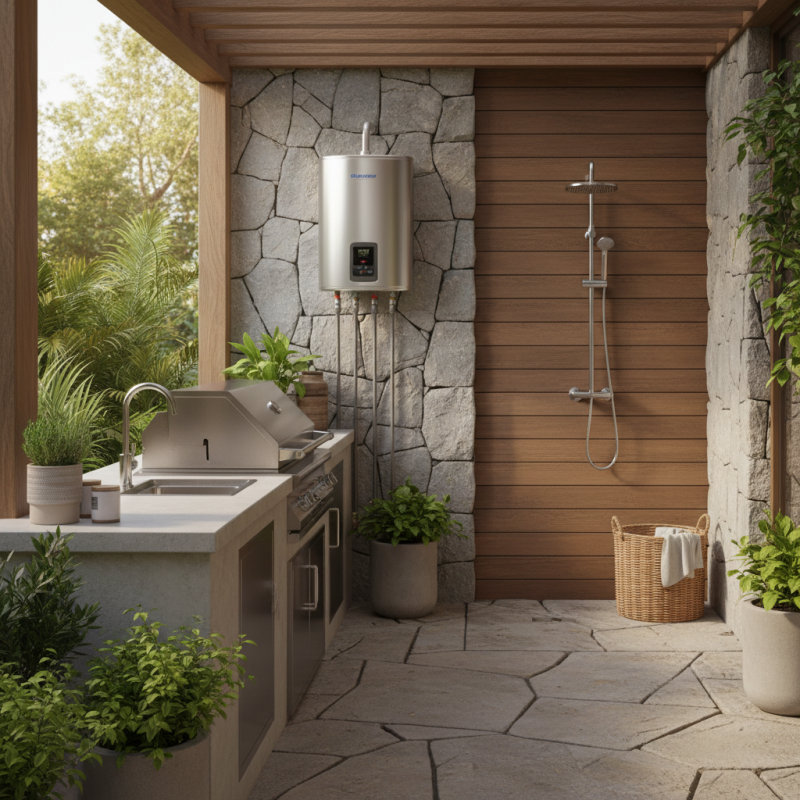
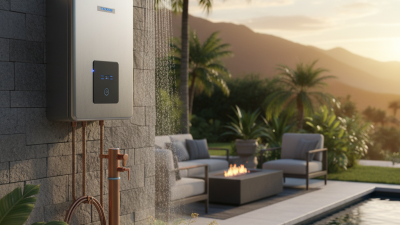
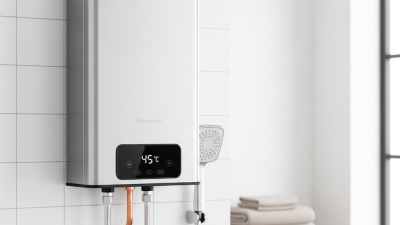
Outdoor water gas heaters can provide hot water for showers, cooking, and relaxing in your backyard. Understanding the basics is essential before making a choice. These heaters operate using gas, which heats water quickly and efficiently. Some models offer adjustable temperature settings, allowing you to control the heat to your preference.
Tips: Consider your hot water needs. How many people will use it? The capacity is crucial. An undersized unit may lead to frustration. You might end up waiting for water to heat up again.
Another aspect to examine is safety features. Look for auto shut-off capabilities. It's a crucial element that prevents accidents. Installing a heater without safety measures can be a risky decision. Reflect on the importance of these features before purchasing.
Tips: Installation can be tricky. Think about hiring professionals. They can ensure everything is up to code. An improperly installed heater could lead to hazardous situations, costing you more in the long run. Safety should always come first.
Types of Outdoor Water Gas Heaters and Their Features
When choosing an outdoor water gas heater, understanding the types available is crucial. There are two main types: tankless and storage water heaters. Tankless heaters heat water on demand, providing endless hot water. They are compact and energy-efficient. However, they may struggle to supply multiple fixtures simultaneously during peak times.
On the other hand, storage water heaters, also known as tank heaters, store hot water in a tank. They are generally less expensive upfront. Yet, their larger size can be a drawback for those with limited outdoor space. They can run out of hot water, which can be an inconvenience.
Consider the features that matter most. Look for adjustable temperature settings for better control. Some models have safety features like automatic shut-off valves. Both types have pros and cons. It’s essential to reflect on your needs before making a decision. Ensure adequate gas supply and proper ventilation regardless of the model you choose.
The Ultimate Guide to Choosing an Outdoor Water Gas Heater
| Type |
Fuel Source |
Heat Output (BTU) |
Tank Capacity (Gal) |
Features |
| Instantaneous |
Propane |
200,000 |
N/A |
Compact design, Energy efficient |
| Storage Tank |
Natural Gas |
150,000 |
40 |
High capacity, Good for multiple outlets |
| Tankless |
Propane |
199,000 |
N/A |
Endless hot water, Space saving |
| Portable |
Propane |
60,000 |
5 |
Lightweight, Ideal for camping or outdoor events |
Key Factors to Consider When Choosing a Heater
When selecting an outdoor water gas heater, several key factors come into play. Consider the size of your space. A heater that’s too small won’t efficiently heat your area. You’ll end up wasting energy and money. Conversely, an oversized heater can lead to unnecessary costs. Look for a model that fits your specific needs.
Efficiency is crucial. Check the energy efficiency rating of potential heaters. Higher ratings mean better performance and lower bills. But keep in mind that high-efficiency models may come with a higher upfront cost. It’s important to weigh long-term savings against initial expenditures.
Finally, installation requirements should not be overlooked. Some heaters need professional installation, which can add to your expenses. Make sure you understand your space and the heater’s compatibility. A little research now can prevent costly mistakes later. It’s easy to overlook these details in the excitement of making a purchase. However, taking the time to assess them can lead to a satisfying heating experience.
The Ultimate Guide to Choosing an Outdoor Water Gas Heater
When selecting an outdoor water gas heater, several key factors come into play. The following bar chart illustrates the importance of various features that consumers consider when making a decision. The data represents the percentage of respondents who prioritized each feature.
Installation Requirements for Outdoor Water Gas Heaters
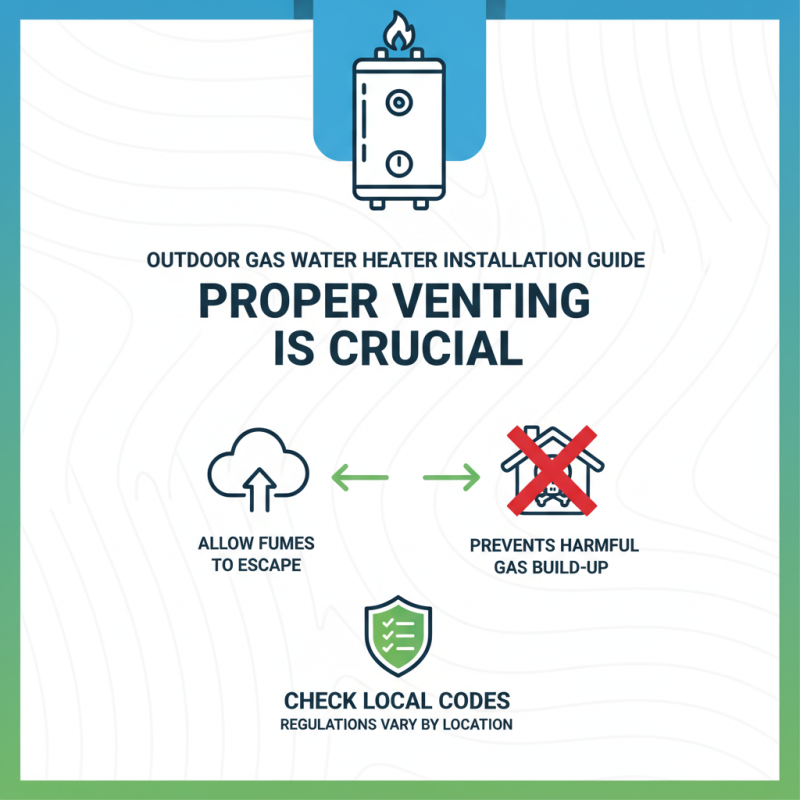
When considering an outdoor water gas heater, installation requirements are crucial. Proper venting is essential. If the unit is not adequately ventilated, risks increase. Gas heaters should be placed in areas where fumes can escape. This prevents harmful gas build-up. Check local codes before installation. Regulations vary by location.
A stable, level surface is needed. The heater must not be placed near flammable materials. Consider nearby vegetation, wooden decks, or patio furniture. Distance matters. Keep the heater at least three feet away from obstacles. A clear workspace makes installation easier. Ensure access for maintenance is also considered.
Make sure to connect the gas line properly. A licensed professional might be a better choice for this task. Inspecting connections for leaks is vital. Test with soapy water; bubbles indicate leaks. Don't neglect safety measures. Review user manuals carefully. Sometimes, mistake happen, leading to installation troubles. Taking time in the beginning saves bigger problems later.
Maintenance Tips for Long-lasting Performance
When using an outdoor water gas heater, regular maintenance is key for long-lasting performance. A clean unit runs more efficiently. Start with the burner. Keep it free of debris and dirt. This ensures even heating and prevents blockages. Have you checked yours lately?
Inspect the gas lines. Look for cracks or leaks. It's essential to secure connections tightly. If you notice any unusual smells, turn off the gas immediately. It’s better to be safe than sorry. Regular checks here can prevent costly repairs.
Flush the tank to remove sediment buildup. This should be done at least once a year. Sediment can cause overheating and lower efficiency. If you forget this step, you might face unexpected challenges. Water quality affects this process too—something to keep in mind. Simple actions go a long way in maintaining your heater.