2026 Top Hot Cold Water Heater Options for Your Home?
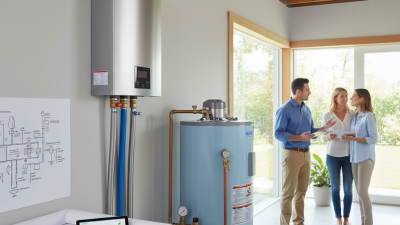
Choosing the right hot cold water heater is essential for any home. In 2026, many options promise efficiency and reliability. The balance between hot and cold water availability can significantly impact daily living.
When selecting a hot cold water heater, consider your family's needs. Evaluate the size, capacity, and energy efficiency. Some units may heat water faster, while others may save you money over time.
Yet, with myriad choices, confusion can arise. A system that works for one home may not suit another. Take time to assess your space and preferences. Investing in the right unit is not just about performance; it is about creating comfort and convenience in your life.
Top Features to Consider When Choosing a Water Heater
When choosing a water heater, consider energy efficiency. A unit with higher energy ratings can save you money on bills. Look for models that offer improved insulation. This feature helps maintain heat and reduces energy consumption.
Another critical aspect is the size of the water heater. A unit that is too small won't meet your needs. Conversely, an oversized heater may lead to wasted energy.
Measure your space and family needs carefully.
Durability plays a vital role as well. Look for units with robust materials and good warranties. This ensures a longer lifespan and fewer repairs. Remember that maintenance is essential.
Regular checks can prevent unexpected breakdowns. Invest time to understand the product's requirements. The more informed you are, the better your choice will be.
Types of Hot and Cold Water Heaters Available in 2026
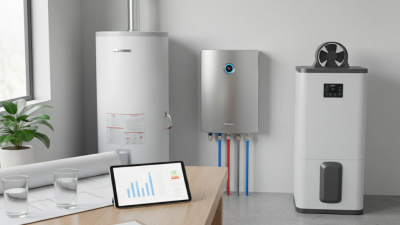
In 2026, homeowners have a variety of hot and cold water heater options to choose from. Tankless water heaters are gaining popularity due to their efficiency. They heat water on demand, providing endless supply without storage limitations. This can be a space-saving option, but it may require a larger upfront investment.
Traditional tank water heaters still have their place. They store water in a tank and heat it continuously. While they are often less expensive initially, they can lead to higher energy bills. Many consumers find that regular maintenance is crucial for longevity. Ignoring this can result in unexpected breakdowns.
Heat pump water heaters serve as a sustainable choice. They use electricity to move heat from one place to another, rather than generating heat directly. However, they may not work effectively in cooler climates. Each option has its pros and cons, and evaluating your specific needs is essential. Ensuring you choose wisely will impact your comfort and utility costs in the long run.
2026 Top Hot Cold Water Heater Options for Your Home
| Type |
Capacity (Gallons) |
Energy Source |
Energy Efficiency (EF) |
Average Price ($) |
| Tank Water Heater |
30 - 80 |
Electric/Natural Gas |
0.60 - 0.95 |
500 - 1,500 |
| Tankless Water Heater |
N/A |
Electric/Natural Gas |
0.82 - 0.95 |
1,000 - 2,500 |
| Heat Pump Water Heater |
50 - 80 |
Electric |
2.00 - 3.00 |
1,200 - 3,000 |
| Solar Water Heater |
50 - 120 |
Solar Energy |
1.50 - 2.50 |
3,000 - 7,000 |
| Condensing Water Heater |
30 - 100 |
Natural Gas |
0.90 - 0.99 |
1,500 - 2,500 |
Energy Efficiency Ratings for Modern Water Heaters
When choosing a water heater, energy efficiency ratings are crucial. The U.S. Department of Energy emphasizes that energy-efficient models can lower your utility bill significantly. The latest ENERGY STAR data indicates that modern water heaters can save homeowners around 10-50% in energy costs. In real terms, this can equate to savings of hundreds of dollars annually.
The energy source impacts efficiency too. Electric heat pump water heaters often have higher efficiency ratings than traditional electric units. They can reduce energy use by up to 65%, according to the U.S. Energy Information Administration. This shift is more than just savings; it also reduces your carbon footprint.
However, efficiency doesn't always mean perfection. Homeowners may find that some units are underperforming based on their household demands. It's essential to choose the right size and type for your needs. Sometimes, the most energy-efficient model may not be the best fit for your lifestyle. Balancing efficiency with practical requirements is key.
Installation and Maintenance Tips for Home Water Heaters
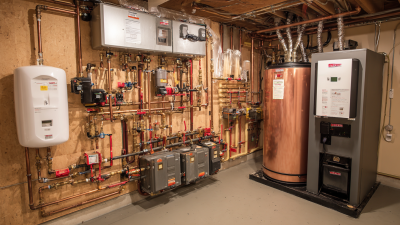
When it comes to home water heaters, proper installation and maintenance are crucial for optimal performance. A poorly installed water heater can lead to leaks, inefficient heating, and increased energy bills. It’s essential to follow the manufacturer’s instructions during installation. Ensure that all connections are tight and check for any signs of leaks.
One critical maintenance tip is to flush your water heater annually. Sediment buildup can affect efficiency and lifespan. It’s a straightforward process: turn off the power, connect a garden hose to the drain valve, and let the water flow out. This step can prevent larger issues down the line.
Monitoring the temperature setting is also vital. The recommended temperature is typically around 120°F. Too high, and you risk scalding; too low, and you promote bacteria growth. If you notice unusual noises from your heater, like rumbling or popping, it might indicate sediment build-up. Addressing these issues early can save you trouble and costly repairs. Regular inspections can help identify any arising concerns. Staying proactive can extend your water heater's lifespan significantly.
Cost Comparison: Budgeting for Your New Water Heater
When considering your options for a new water heater, cost is a significant factor. Prices vary widely across different types of heaters.
Traditional tank heaters are typically less expensive upfront. However, they may incur higher energy costs over time. On the other hand, tankless water heaters offer energy savings. Their initial price is usually higher, but they can pay off in the long run.
Additionally, installation costs can add to your budget. An intricate installation may require professional help, further increasing expenses. Homeowners should also account for maintenance needs. Regular upkeep is essential for longevity and efficiency. Some models demand more frequent repairs than others.
Evaluating your household's hot water needs is crucial. A larger family may need a more powerful unit, which can drive up costs. Finding the right balance between efficiency and budget requires careful thought. You may also want to compare warranties and customer service options. This choice can impact long-term satisfaction with your investment.